Landmark: Bikini Lagoon Wreck-Diving Sites
City: Bikini Atoll
Country: Marshall Islands
Continent: Australia
Bikini Lagoon Wreck-Diving Sites, Bikini Atoll, Marshall Islands, Australia
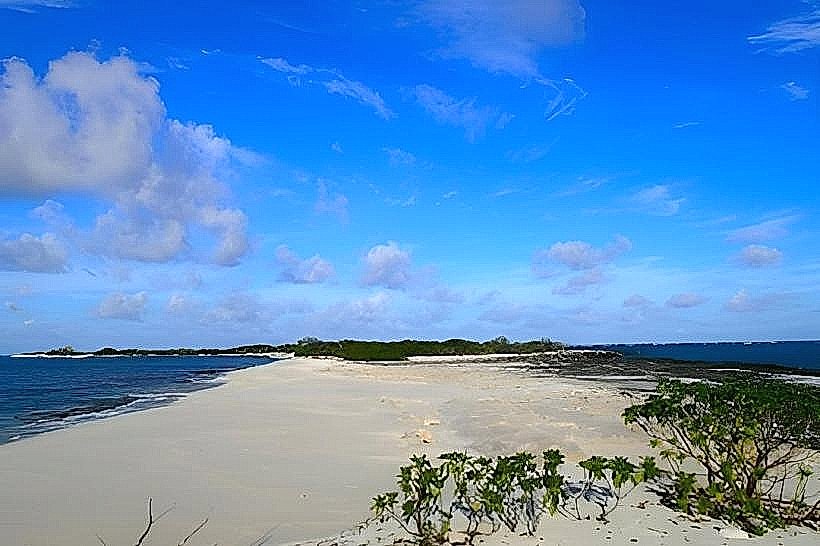
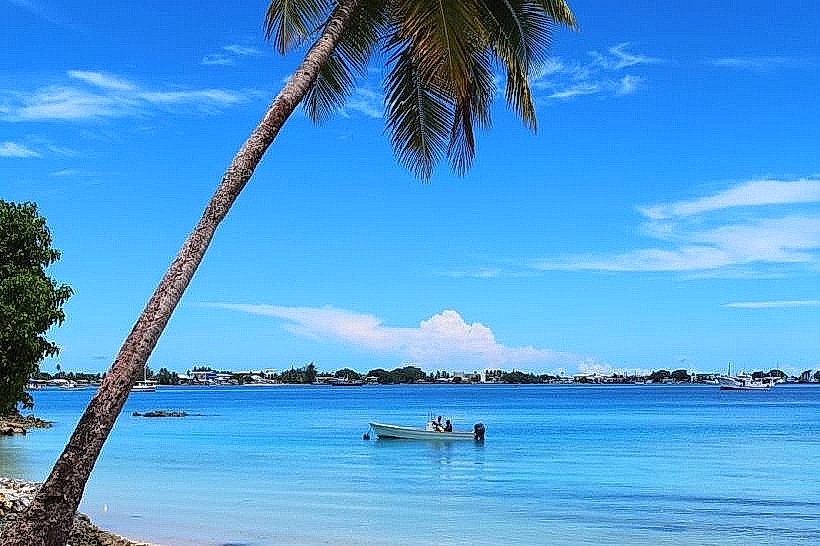
Bikini Lagoon Wreck-Diving Sites are a collection of sunken naval vessels located within Bikini Atoll in the Marshall Islands.
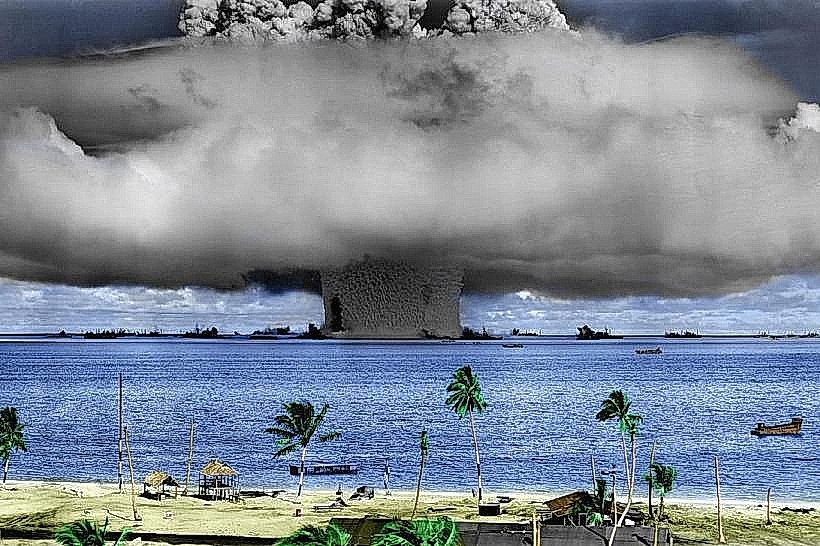
These sites are primarily known for the extensive fleet of ships and aircraft deliberately sunk as part of nuclear testing operations.
Visual Characteristics
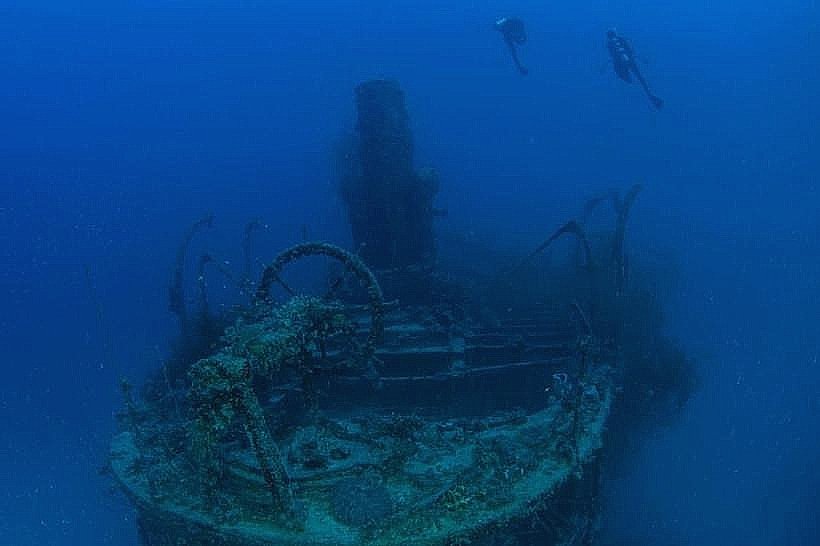
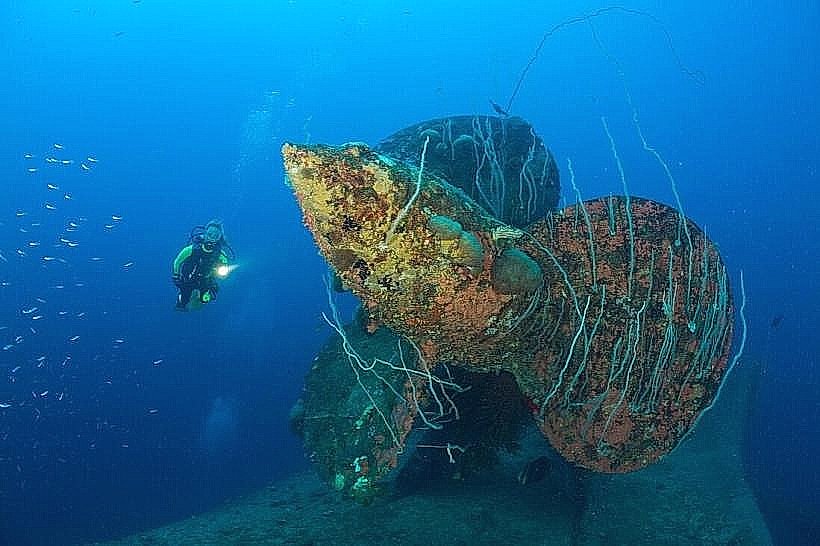
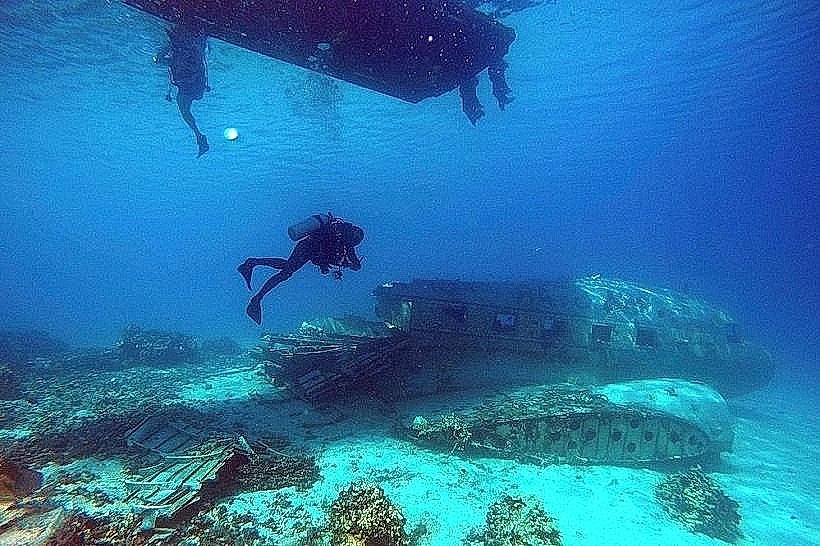
The primary visual characteristic is the presence of numerous large naval vessels, including battleships, aircraft carriers, cruisers, and destroyers, resting on the lagoon floor at depths ranging from 12 to 50 meters. Visibility can vary but often exceeds 30 meters. The hulls are encrusted with marine growth, including corals and sponges. Some vessels exhibit significant structural damage from the nuclear blasts, while others remain largely intact.
Location & Access Logistics
Bikini Atoll is located in the Ralik Chain of the Marshall Islands, approximately 850 kilometers northwest of Majuro. Access is primarily via chartered liveaboard dive vessels departing from Majuro or Kwajalein. There are no regular commercial flights or ferry services to Bikini Atoll. The lagoon itself is the primary access point for diving operations.
Historical & Ecological Origin
The wrecks are the result of Operation Crossroads, a series of two nuclear weapon tests conducted by the United States in July 1946. The vessels were assembled and positioned in the lagoon to assess the effects of nuclear explosions on naval hardware. The lagoon is a UNESCO World Heritage Site, recognized for its ecological significance as a coral atoll ecosystem.
Key Highlights & Activities
Scuba diving is the primary activity. Specific dive sites include the USS Saratoga (CV-3) aircraft carrier, the USS Prince William (DD-678) destroyer, the USS Indianapolis (CA-35) cruiser, and the Japanese battleship Nagato. Penetration dives into some of the larger wrecks are possible for experienced divers. Shipwrecks are also home to diverse marine life, including sharks, turtles, and large schools of fish.
Infrastructure & Amenities
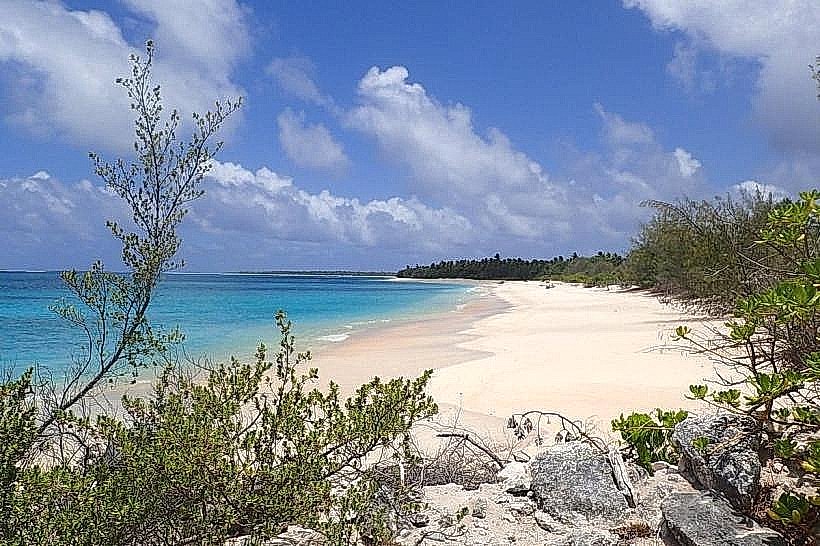
Infrastructure on Bikini Atoll is minimal, primarily consisting of basic accommodations for researchers and dive support staff. There are no public restrooms or food vendors directly at the dive sites. Cell phone signal is generally unavailable on the atoll. Liveaboard dive vessels provide all necessary amenities, including accommodation, meals, and dive support.
Best Time to Visit
The best time for diving is generally during the dry season, from January to April, which offers calmer seas and better visibility. Water temperatures are consistently around 28-30 degrees Celsius year-round. Diving is possible at any tide, but slack tide periods are preferred for optimal conditions within the wrecks.
Facts & Legends
The USS Indianapolis, sunk by a Japanese submarine in 1945, was one of the wrecks used in Operation Crossroads. It was later discovered in 2017. A local legend suggests that the spirits of the sailors lost during Operation Crossroads still inhabit the wrecks, though this is unsubstantiated.
Nearby Landmarks
- Kwajalein Atoll (approx. 200km Southwest)
- Majuro Atoll (approx. 850km Southeast)
- Enewetak Atoll (approx. 200km Northwest)