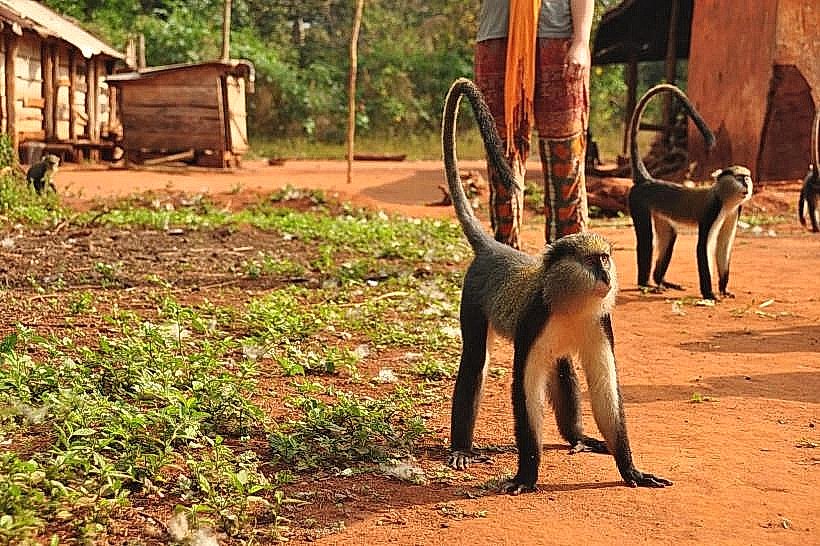
Landmark: Boabeng-Fiema Monkey Sanctuary
City: Sunyani
Country: Ghana
Continent: Africa
Boabeng-Fiema Monkey Sanctuary, Sunyani, Ghana, Africa
Boabeng-Fiema Monkey Sanctuary is a community-protected forest reserve located between the twin villages of Boabeng and Fiema in the Nkoranza North District of the Bono East Region, Ghana. The site encompasses approximately 1.9 square kilometers of semi-deciduous forest approximately 165 kilometers north of Kumasi.
Visual Characteristics
The landscape is characterized by a high-density tropical canopy featuring tall mahogany and silk cotton trees reaching heights of 30 to 40 meters. The undergrowth consists of thick herbaceous vegetation and shrubs that provide cover for primate populations. The terrain is relatively flat with red laterite soil paths crisscrossing the forest floor between the two primary village settlements.
Location & Access Logistics
The sanctuary is accessed via the N10 highway to Techiman, followed by a 45-kilometer eastbound route through Nkoranza to the Boabeng-Fiema junction. Private vehicles and local taxis (hired from Techiman or Nkoranza) are the standard transport modes, as scheduled large-bus service to the village interior is infrequent. A central dirt parking area is located at the visitor orientation center in Boabeng.
Historical & Ecological Origin
The sanctuary was formally established in 1974, though local protection dates to the 1800s based on traditional taboos. It serves as a critical habitat for the Lowe’s Mona Monkey (Cercopithecus lowei) and the critically endangered Ursine Colobus (Colobus vellerosus), which are considered sacred by the local inhabitants of the Aduana and Anyinam clans.
Key Highlights & Activities
Guided forest walks are mandatory and depart from the visitor center between 07:00 and 17:00 daily. Visitors can observe wild monkeys within the village precincts, as the animals frequently enter human settlements. A specialized "Monkey Cemetery" is located within the forest, where primates are buried with traditional funeral rites.
Infrastructure & Amenities
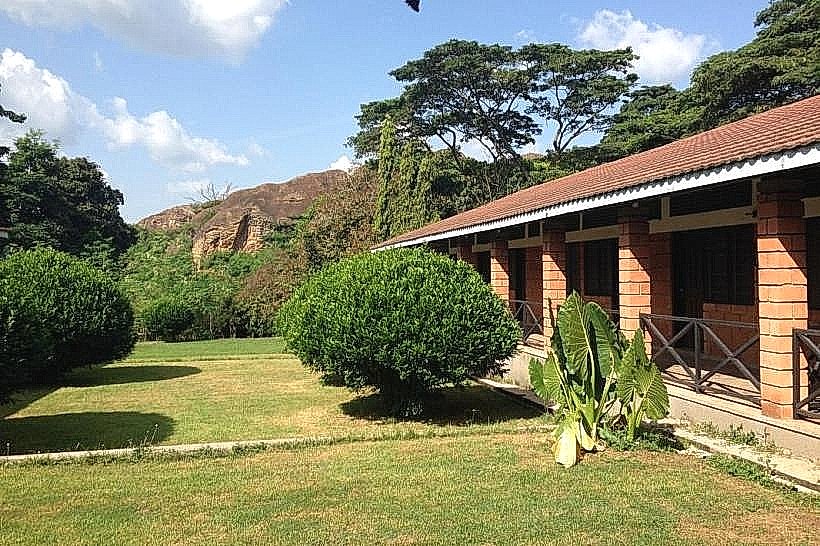
The visitor center provides basic restrooms, a small administrative office, and a rudimentary guest house for overnight stays. Shade is abundant throughout the forest trails and village squares due to the mature tree canopy. Cellular signal is inconsistent, typically fluctuating between 3G and 4G depending on the proximity to the Nkoranza transmission towers.
Best Time to Visit
The most active periods for primate observation are 07:00 to 09:00 and 16:00 to 18:00 when the monkeys descend from the high canopy to forage. The dry season from November to March facilitates easier trekking on the forest floor. Photography is optimal in the early morning to avoid the high-contrast shadows created by the dense overhead foliage.
Facts & Legends
Local tradition dictates that the monkeys are "children" of the forest god, Daworo, and harming one is strictly forbidden by customary law. A verified historical oddity is the presence of the monkey cemetery, which contains headstones marking the burial sites of significant primates and even a local priest who requested to be buried alongside them.
Nearby Landmarks
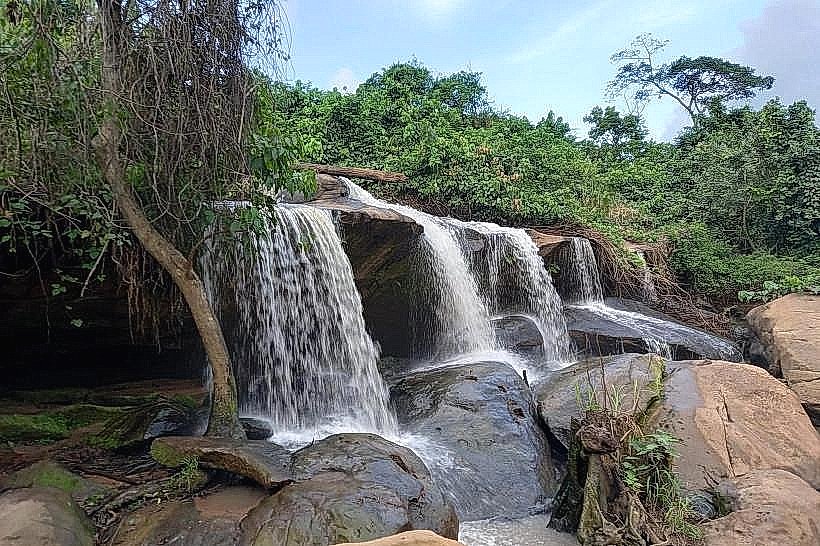
Kintampo Waterfalls: 45.0km Northeast
Nkoranza Central Market: 22.0km Southwest
Techiman Holy Family Hospital: 48.5km West
Tano Boase Sacred Grove: 52.0km Northwest