Landmark: Kristo Buase Monastery
City: Sunyani
Country: Ghana
Continent: Africa
Kristo Buase Monastery, Sunyani, Ghana, Africa
Kristo Buase Monastery is a Benedictine monastery located on a 120-hectare site in the Techiman North District of the Bono East Region, Ghana. The facility is situated approximately 15 kilometers north of Techiman and 3 kilometers from the village of Tanoboase.
Visual Characteristics
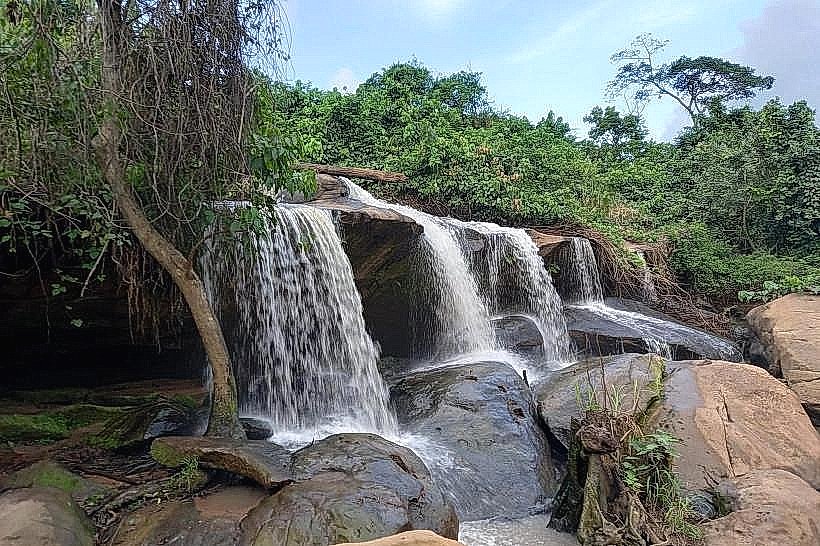
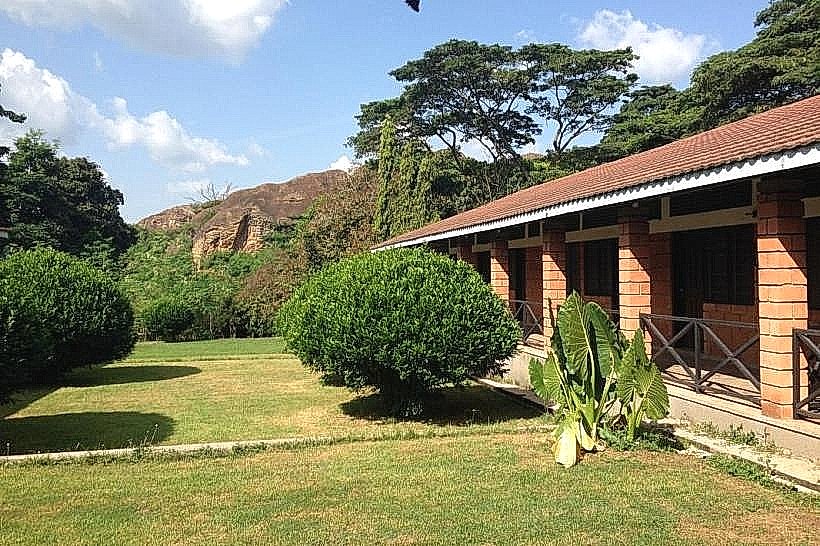
The monastery features Mediterranean-inspired architecture with white-washed concrete walls, arched windows, and red terracotta tiled roofs. The structures are integrated into a landscape of massive, weathered sandstone rock formations and semi-deciduous forest. Manicured lawns and fruit orchards, including mango and citrus trees, surround the primary chapel and residential cloisters.
Location & Access Logistics
Access is via the N10 highway from Techiman toward Kintampo, with a signposted 2.5-kilometer unpaved road leading east from the Tanoboase junction. Visitors can utilize local taxis or tricycles (Pragyia) from Techiman city center for the 20-minute transit. A private gravel parking area is located adjacent to the guest house and main administrative building.
Historical & Ecological Origin
The monastery was founded in 1989 by monks from Prinknash Abbey in the United Kingdom, Pluscarden Abbey in Scotland, and St. Augustine’s Abbey in England. Geologically, the grounds occupy a section of the Voltaian Basin, characterized by ancient sedimentary sandstone outcrops that provide natural insulation and structural windbreaks.
Key Highlights & Activities
Religious services, including daily Mass and the Divine Office, are open to the public at specific intervals. The monastery operates a guest house for silent retreats and spiritual reflection. Guided walks through the monastic gardens and the adjacent sandstone formations are available by prior arrangement with the guest master.
Infrastructure & Amenities
The facility includes a dedicated guest house with basic sleeping quarters and shared restrooms. Shade is consistent under the covered walkways and mature orchard trees. Cellular signal is stable (4G) in the open garden areas but remains weak or non-existent inside the thick-walled stone chapel and residential wings.
Best Time to Visit
The dry season from November to March is optimal for traversing the unpaved access road and garden paths. Photography is best during the early morning (06:30–08:30) when the low sun highlights the texture of the sandstone cliffs. Visitors seeking silence should avoid the midday period when maintenance and agricultural activities occur.
Facts & Legends
A verified historical oddity is the monastery’s self-sustaining agricultural system, which includes a large-scale cashew plantation and honey production facility managed entirely by the resident monks. A specific tip for visitors is the "Silent Zone" policy, which requires absolute quiet in the inner courtyards to maintain the Benedictine atmosphere of peace.
Nearby Landmarks
Tanoboase Sacred Grove: 2.1km South
Forikrom Boten Caves: 6.4km West
Techiman Central Market: 15.8km South
Kintampo Waterfalls: 42.5km North