Information
Landmark: Centennial ClockCity: City of San Marino
Country: San Marino
Continent: Europe
Centennial Clock, City of San Marino, San Marino, Europe
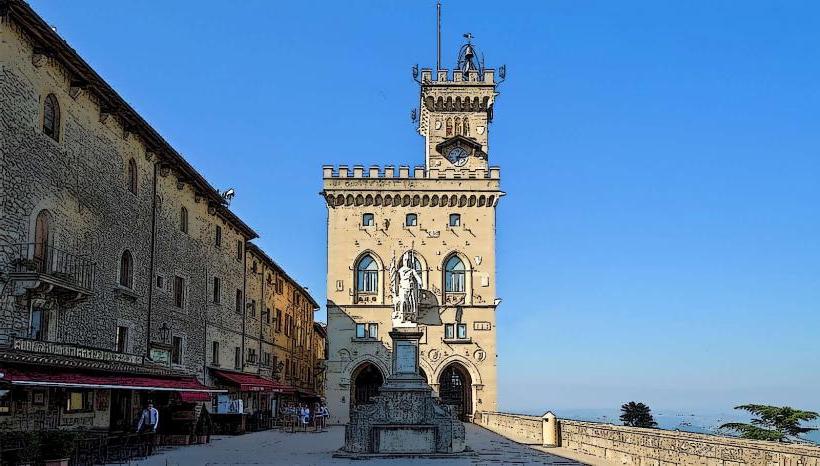
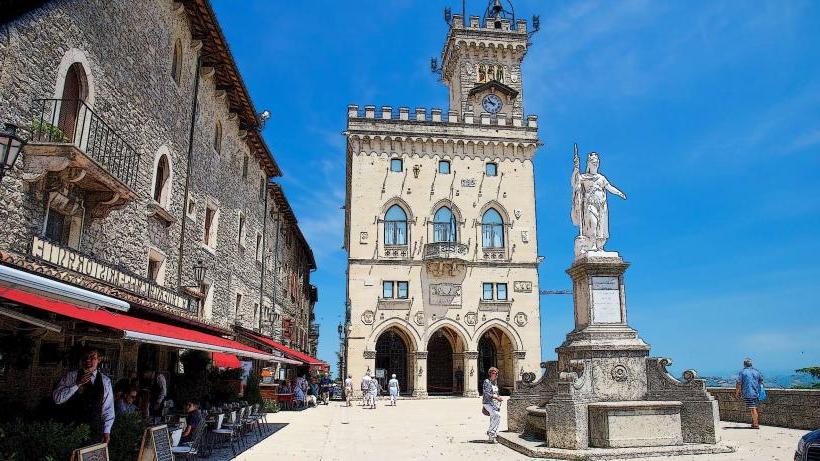
The Centennial Clock is a public timepiece situated in the historic center of the City of San Marino. It serves as a prominent landmark within the capital of the Republic of San Marino, located directly in Piazza della Libertà.
Visual Characteristics
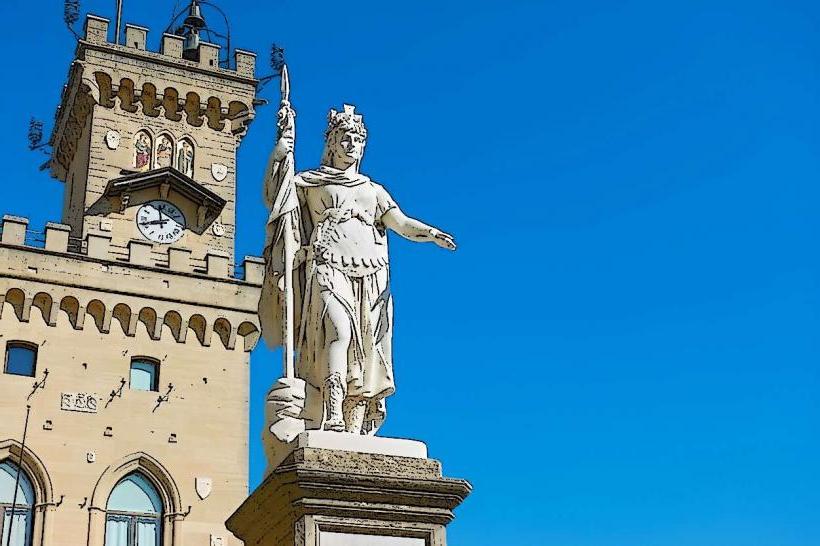
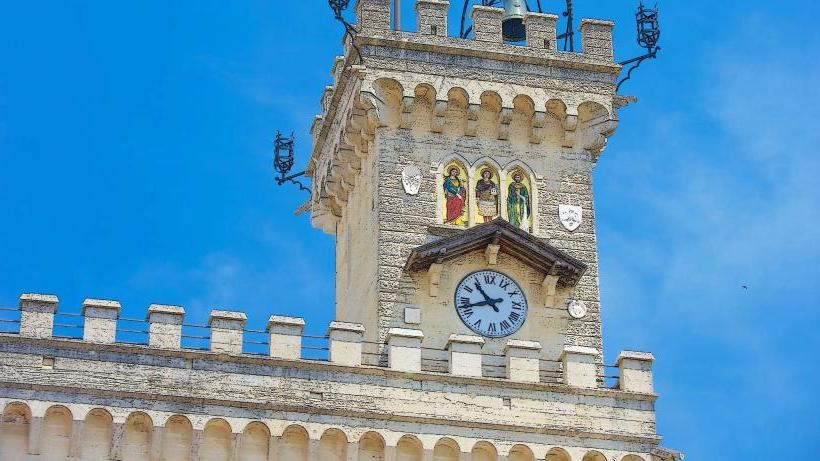
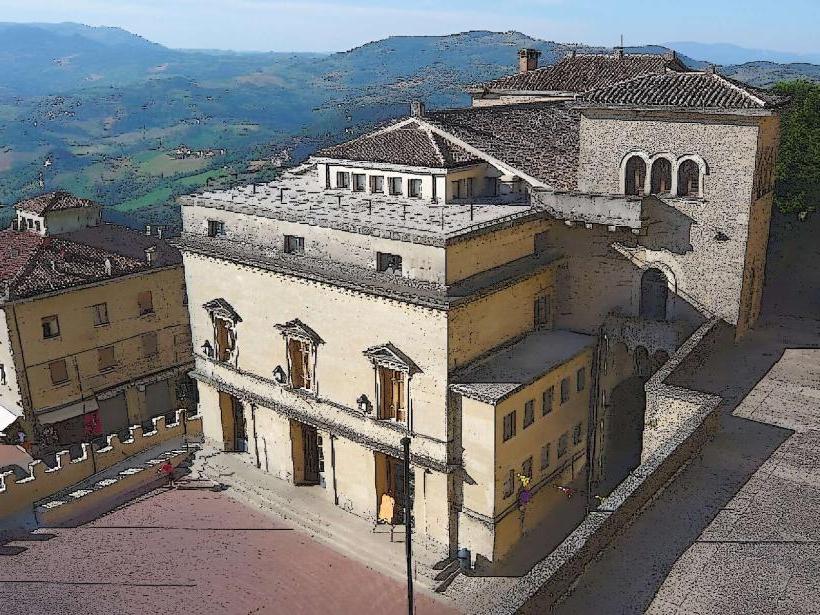
The clock is integrated into the facade of the Palazzo Pubblico, the Government Palace of San Marino. It features a white circular clock face with black Roman numerals and hands, set within a stone frame. The surrounding architecture is neo-Gothic, characterized by light-colored stone, crenellated battlements, and arched windows. The clock itself is approximately 2 meters in diameter, positioned prominently on the building's upper section.
Location & Access Logistics
The Centennial Clock is located in Piazza della Libertà, the main public square in the historic center of the City of San Marino. Access to the historic center is primarily pedestrian. Visitors typically park in designated lots outside the city walls, such as Parking 6 (P6) or Parking 2 (P2), which are approximately 0.5km to 1km from the piazza. From these lots, the center can be reached by foot via uphill paths or by using the Funivia (cable car) from Borgo Maggiore, which terminates approximately 0.3km West of the clock. Local bus services also connect to the lower parking areas.
Historical & Ecological Origin
The Centennial Clock was inaugurated in 1900. Its construction commemorated the 100th anniversary of the San Marino Constitution, which was formally adopted in 1797. The clock is an integral part of the Palazzo Pubblico, which was designed by architect Francesco Azzurri and completed in 1894, replacing an older government building on the same site. Its purpose was to provide accurate public timekeeping and serve as a symbolic element of the Republic's enduring sovereignty.
Key Highlights & Activities
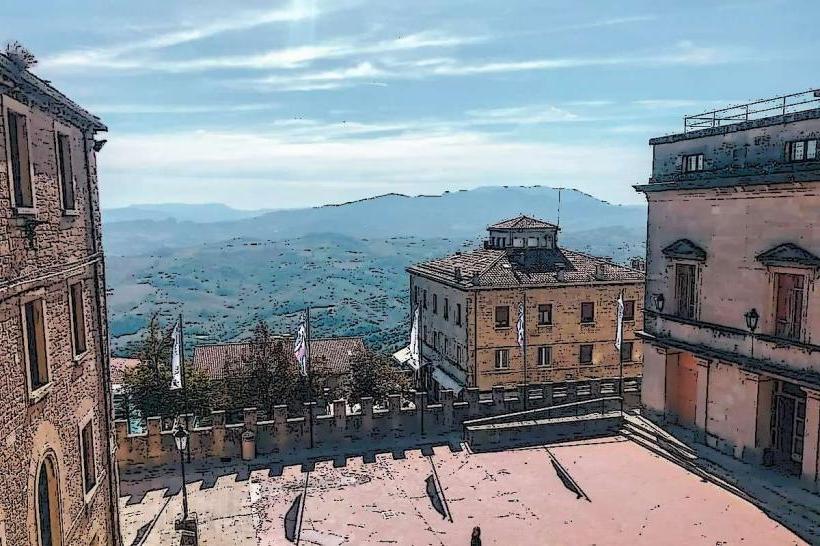
Observing the clock's mechanism and its integration into the Palazzo Pubblico facade is a primary activity. The clock serves as a central reference point for visitors exploring Piazza della Libertà. Photography of the clock, often framed with the surrounding piazza and views of the valley, is common. Visitors can also witness the changing of the guard ceremony, which occurs periodically in the piazza directly below the clock.
Infrastructure & Amenities
Public restrooms are available in facilities adjacent to Piazza della Libertà, typically within 50 meters. Limited direct shade is provided by the clock itself, but the surrounding buildings and cafes offer shaded areas. Cell phone signal (4G/5G) is consistently strong throughout the historic center. Numerous cafes, restaurants, and souvenir shops are located directly in Piazza della Libertà and on the pedestrian streets immediately surrounding the clock, offering food and beverages.
Best Time to Visit
The best time to visit for photography is during the early morning (9:00 AM - 11:00 AM) or late afternoon (3:00 PM - 5:00 PM) when the sun is lower, providing softer light on the clock face and the Palazzo Pubblico. The months of April, May, September, and October offer mild weather and fewer tourist crowds compared to the peak summer season. The clock is accessible year-round, and no specific tide requirements apply.
Facts & Legends
The Centennial Clock is not merely a time-telling device but a symbol of San Marino's continuous independence and its ancient constitutional traditions. A lesser-known detail is that the clock's mechanism has been meticulously maintained for over a century, reflecting the Republic's dedication to preserving its historical assets. A practical tip for visitors is to use the clock as a meeting point, as its central location in Piazza della Libertà makes it easily identifiable.
Nearby Landmarks
- Palazzo Pubblico: 0.01km East (The clock is part of this building)
- Statue of Liberty: 0.01km West (Located in Piazza della Libertà)
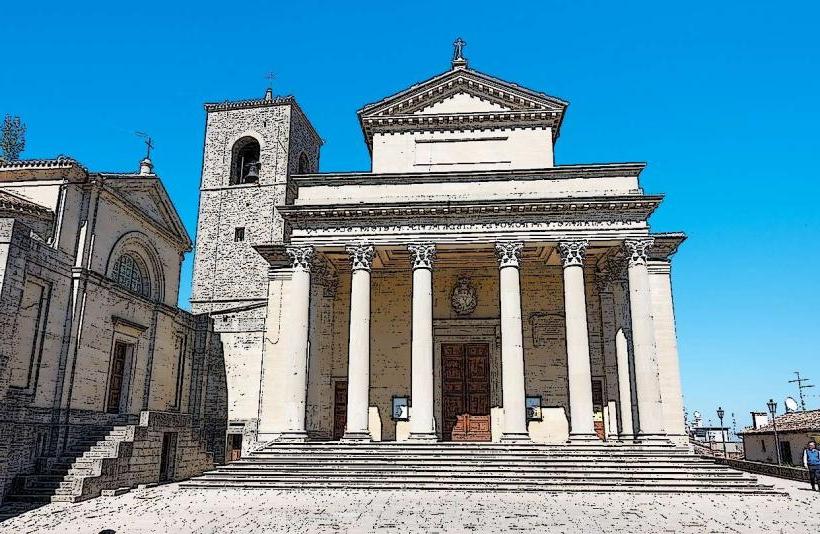
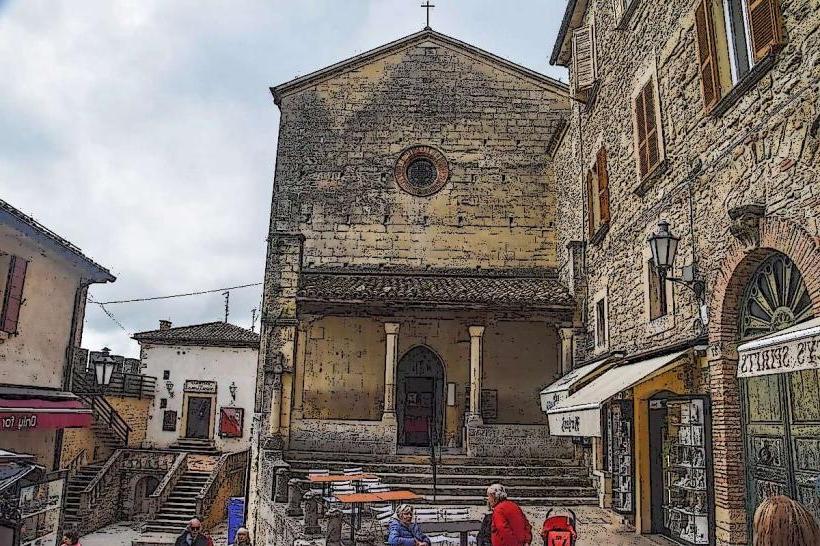
- Basilica di San Marino: 0.2km North
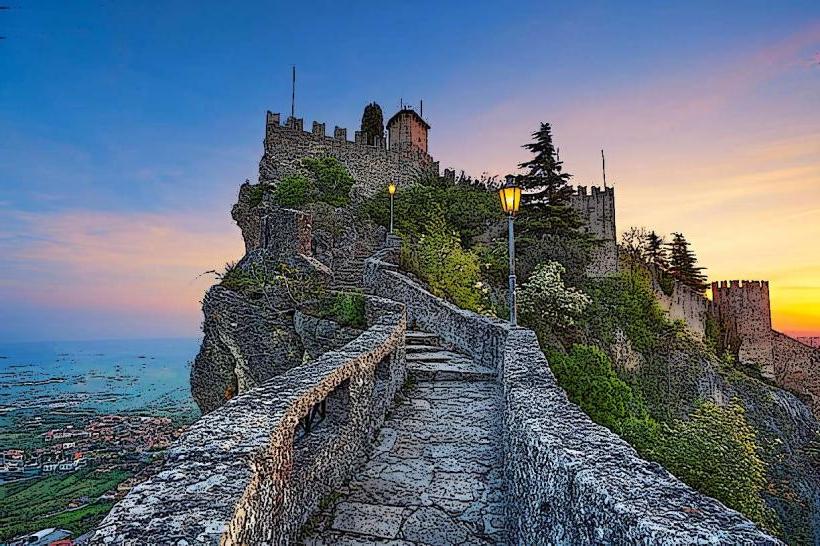
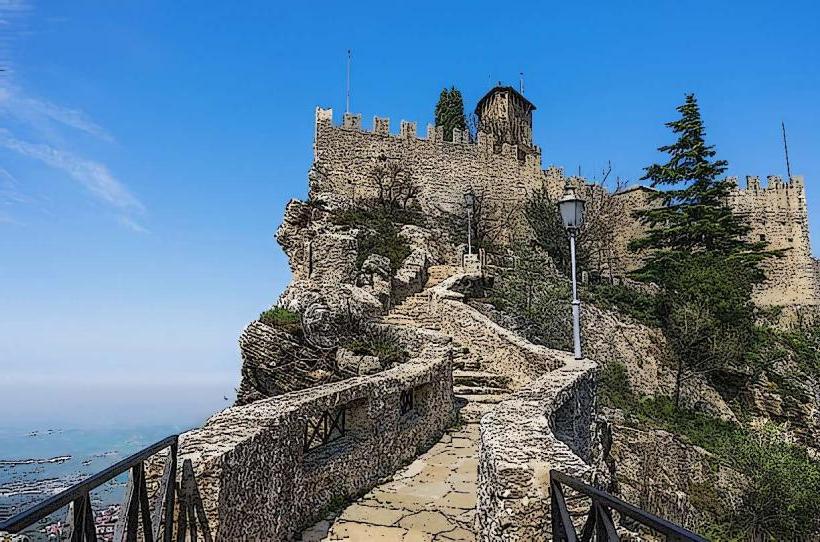
- First Tower (Rocca Guaita): 0.7km East
- Museum of State: 0.1km South