Information
Landmark: City Walls of San MarinoCity: City of San Marino
Country: San Marino
Continent: Europe
City Walls of San Marino, City of San Marino, San Marino, Europe
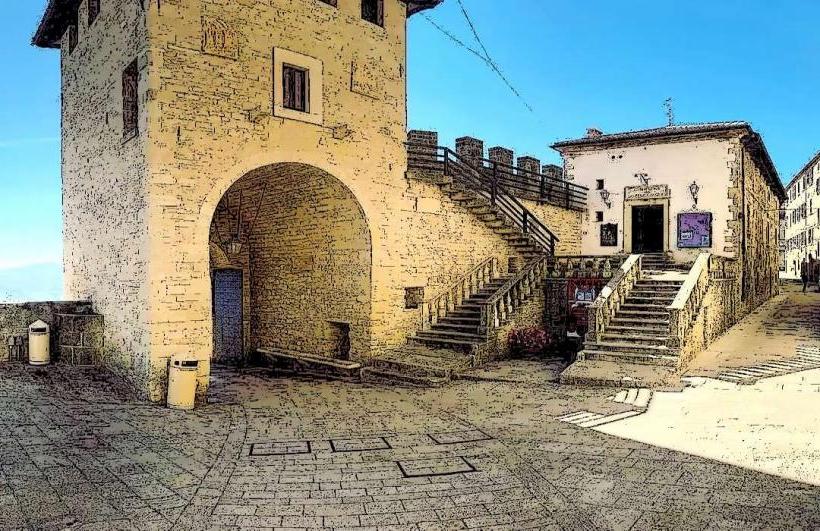
The City Walls of San Marino are a series of defensive fortifications that encircle the historic center of the City of San Marino, situated on Mount Titano in the Republic of San Marino.
Visual Characteristics
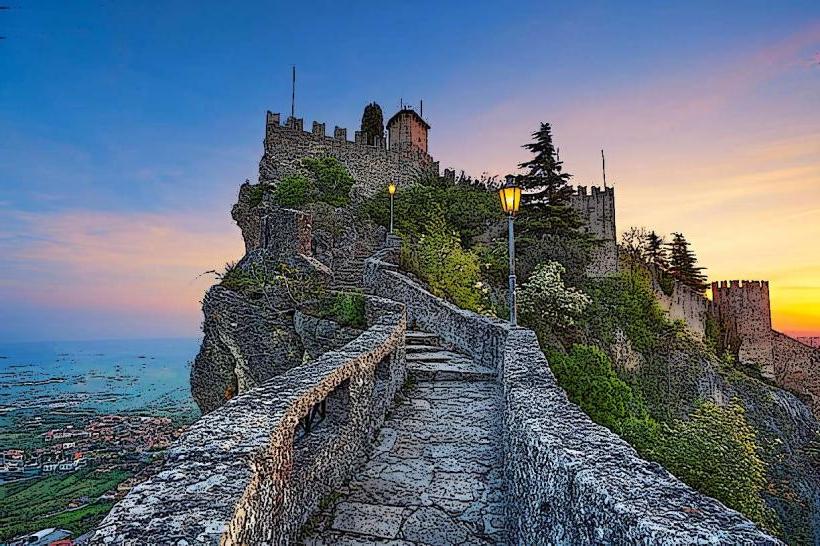
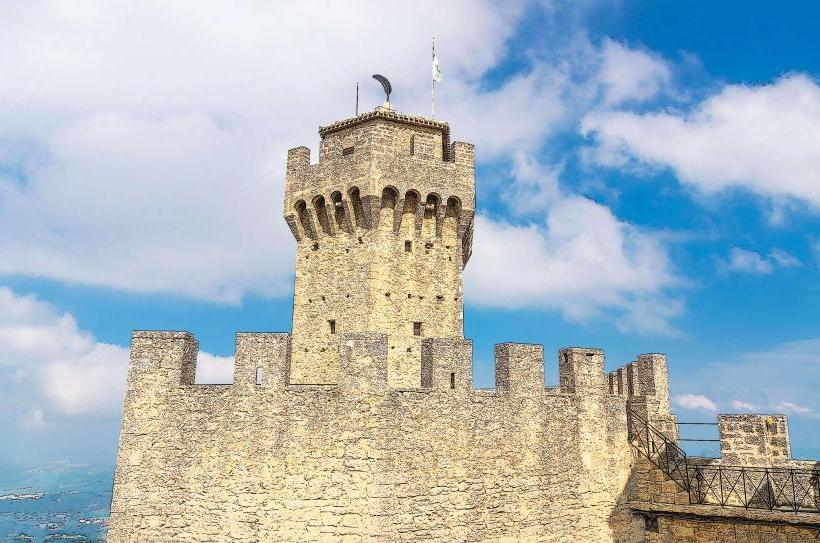
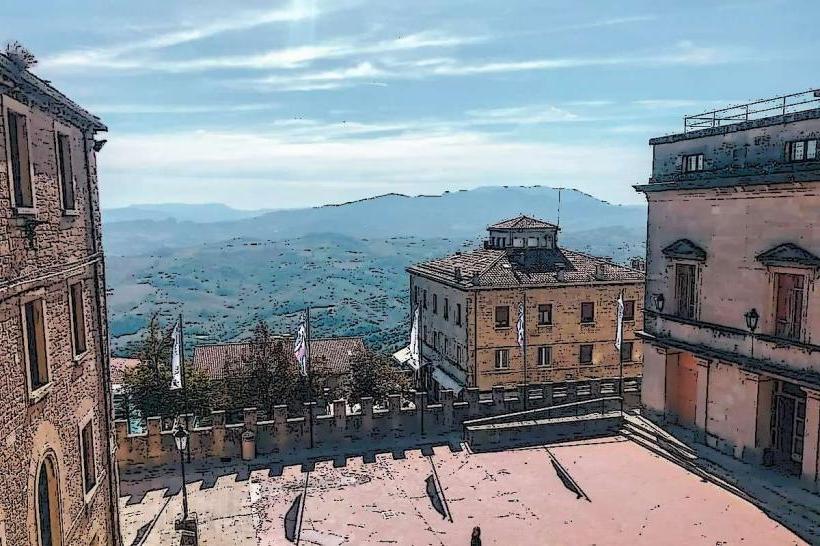
The walls are constructed primarily from local limestone, exhibiting a weathered grey and brown coloration. They feature crenellated battlements and various watchtowers, including the three prominent fortresses: Guaita, Cesta, and Montale. The height varies, reaching up to several meters in places, adapting to the steep topography of Mount Titano. The architectural style is predominantly medieval, with sections showing later modifications and reinforcements.
Location & Access Logistics
The walls are located at the summit of Mount Titano, forming the perimeter of the historic center of the City of San Marino. Access to the city center is primarily pedestrian, as vehicle traffic is restricted. Visitors typically park at designated lots outside the historic core, such as Parking P1A or Piazzale Cava Antica, and then walk uphill or utilize the San Marino Cable Car (Funivia) from Borgo Maggiore. The cable car terminal in the City of San Marino is approximately 0.3km from the main wall access points.
Historical & Ecological Origin
The construction of the City Walls of San Marino began in the 10th century, with significant expansions and reinforcements occurring between the 13th and 16th centuries. The primary purpose was defensive, protecting the independent Republic of San Marino from various external threats. The walls integrate with the natural rock formations of Mount Titano, a limestone massif.
Key Highlights & Activities
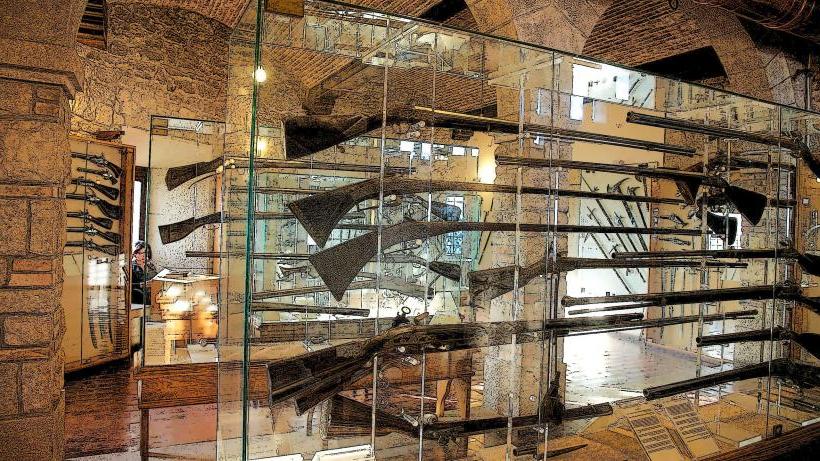
Walking along sections of the wall offers panoramic views of the surrounding Apennine landscape and the Adriatic coast. Visitors can access and explore the three towers: Guaita (the oldest, 11th century), Cesta (housing a Museum of Ancient Weapons, 13th century), and Montale (the smallest, 14th century). Photography is permitted from various vantage points along the fortifications.
Infrastructure & Amenities
Restrooms are available within the historic center of the City of San Marino, typically near public squares and museums. Shade is provided by sections of the wall and occasional trees, but open areas can be exposed. Cell phone signal (4G/5G) is generally strong throughout the area. Numerous food vendors, restaurants, and cafes are located within the walled city, offering various dining options.
Best Time to Visit
The best time to visit for photography is during the early morning or late afternoon to capture optimal lighting on the stone walls and expansive views. The months of April to June and September to October offer pleasant weather conditions, avoiding the peak heat of summer and the colder winter months. No specific tide requirements apply.
Facts & Legends
The City Walls of San Marino, along with Mount Titano and the historic center, were designated a UNESCO World Heritage Site in 2008, recognized for their enduring testimony to a free republic. A local tradition suggests that the three towers represent the three feathers on the national coat of arms.
Nearby Landmarks
- First Tower (Guaita): 0.1km East
- Second Tower (Cesta): 0.3km East
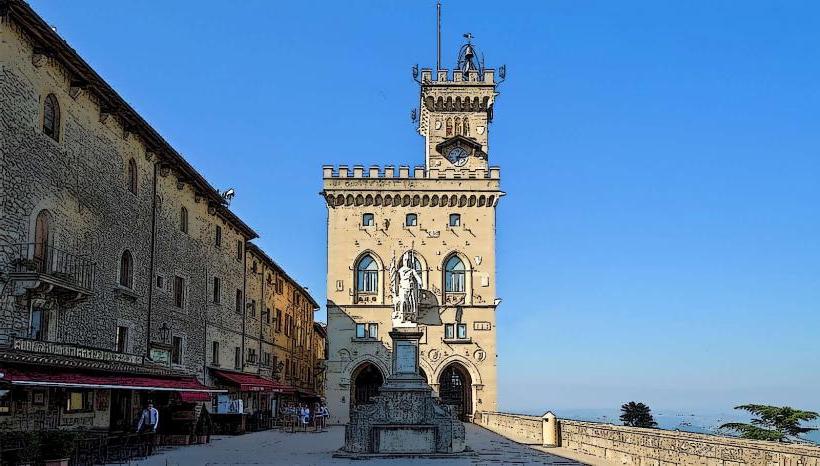
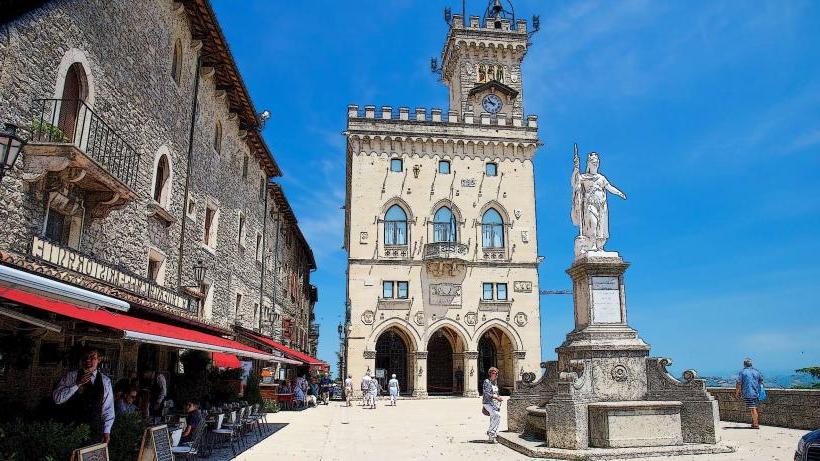
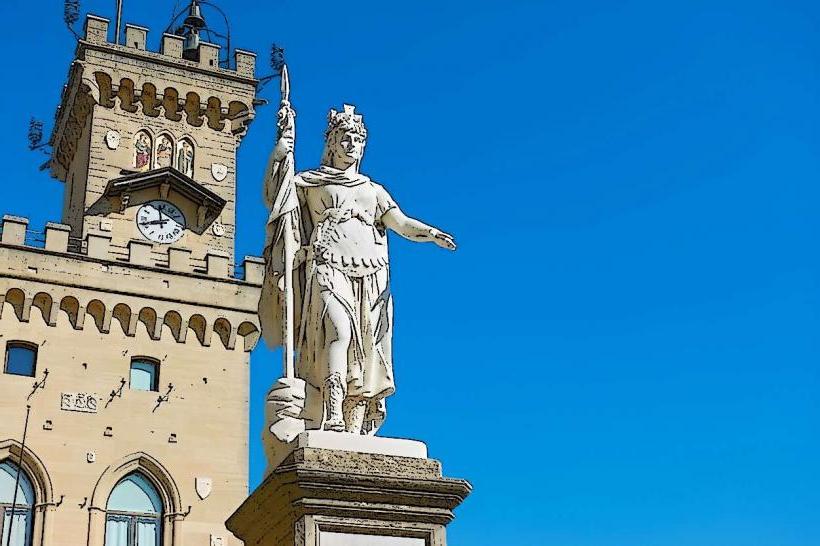
- Palazzo Pubblico: 0.2km West
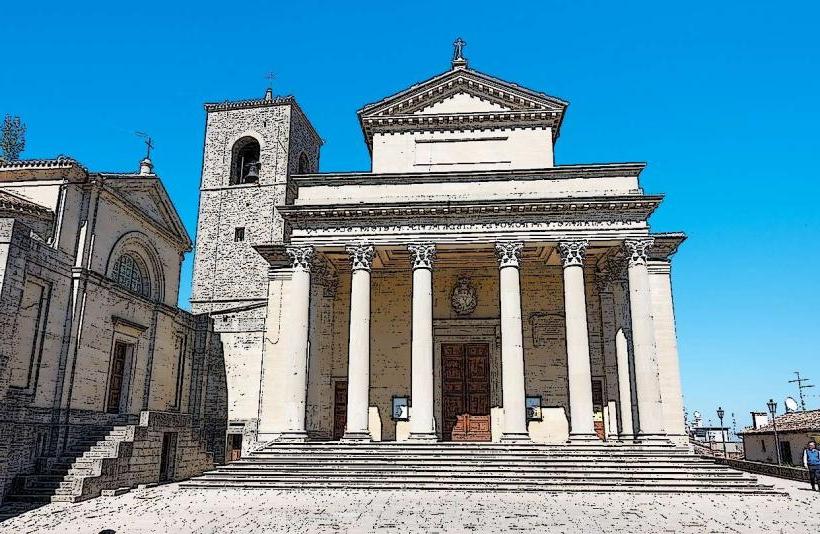
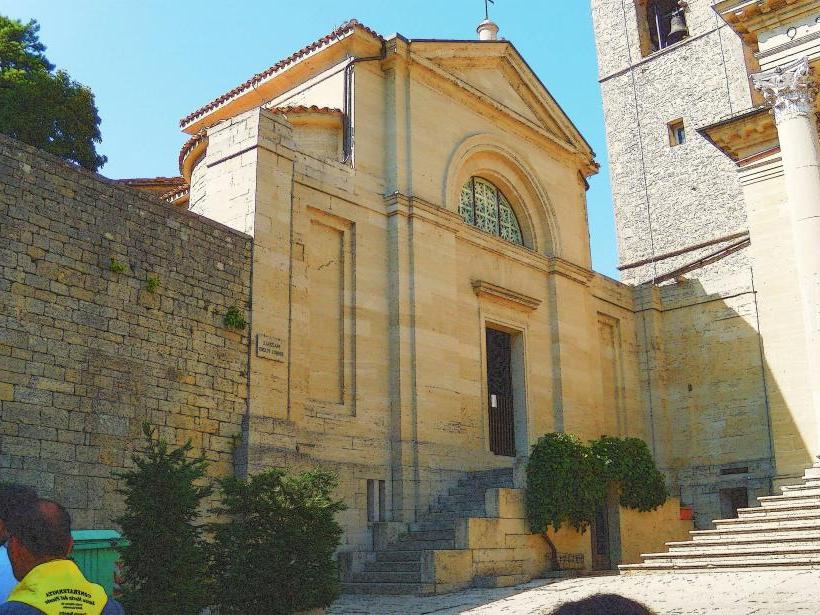
- Basilica di San Marino: 0.2km West
- Third Tower (Montale): 0.6km Southeast