Information
Landmark: Roman BridgeCity: City of San Marino
Country: San Marino
Continent: Europe
Roman Bridge, City of San Marino, San Marino, Europe
This structure is a stone bridge, historically referred to as the Roman Bridge, located within the historic center of the City of San Marino, Republic of San Marino. It serves as a pedestrian crossing over a minor depression or ancient watercourse within the urban fabric.
Visual Characteristics
The bridge is constructed primarily from local limestone, exhibiting a weathered grey and beige coloration. It features a robust, functional Roman arch design, typically with a single semicircular arch spanning approximately 8 meters. The structure stands about 6 meters at its highest point, characterized by thick, unadorned masonry blocks that convey durability and simplicity.
Location & Access Logistics
The Roman Bridge is situated within the pedestrian-only historic center of the City of San Marino. Access is exclusively on foot. Visitors typically park in designated lots outside the historic center, such as Parking P1 or Parking P2, and proceed on foot. The bridge is approximately 0.5km from the main entrance gate, Porta San Francesco, accessible via paved pathways and cobblestone streets. Public transport involves bus services from Rimini, Italy, to the City of San Marino bus terminal, followed by a walk into the historic core.
Historical & Ecological Origin
The bridge is believed to date from the Roman period, likely constructed between the 1st and 4th centuries AD. Its original purpose was to facilitate passage over a natural depression or ancient watercourse, connecting early settlements within the area that would become the City of San Marino. The builders were Roman engineers, utilizing local stone and established Roman construction techniques.
Key Highlights & Activities
The primary activity is pedestrian crossing and observation of ancient Roman engineering. Photography of the arch structure and its integration into the historic urban landscape is common. The bridge offers a vantage point for appreciating the historical layers of the city.
Infrastructure & Amenities
There are no dedicated restrooms or shade structures directly at the bridge site. Public restrooms are available in nearby facilities within the historic center, typically within 100-200 meters. Cell phone signal (4G/5G) is generally strong and reliable throughout the City of San Marino. Numerous restaurants, cafes, and small shops are located within a 50-meter radius of the bridge.
Best Time to Visit
The best time to visit for photography is during the morning (9:00 AM - 11:00 AM) or late afternoon (4:00 PM - 6:00 PM) when natural light illuminates the stone without harsh shadows. The most favorable months for weather are April to May and September to October, offering mild temperatures and fewer crowds. No specific tide requirements apply.
Facts & Legends
Local lore suggests that the bridge's foundational stones were laid without mortar, relying solely on precise Roman engineering and the weight of the structure for stability. This construction method is cited as a testament to its enduring presence through centuries of seismic activity and local conflicts.
Nearby Landmarks
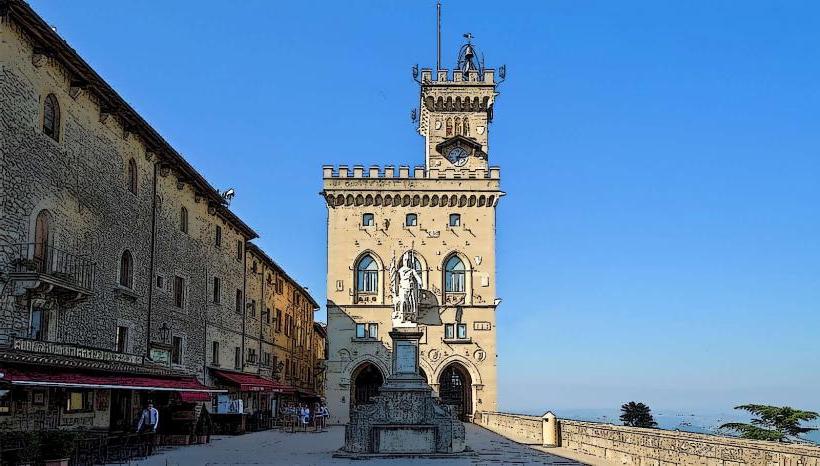
- Palazzo Pubblico: 0.2km West
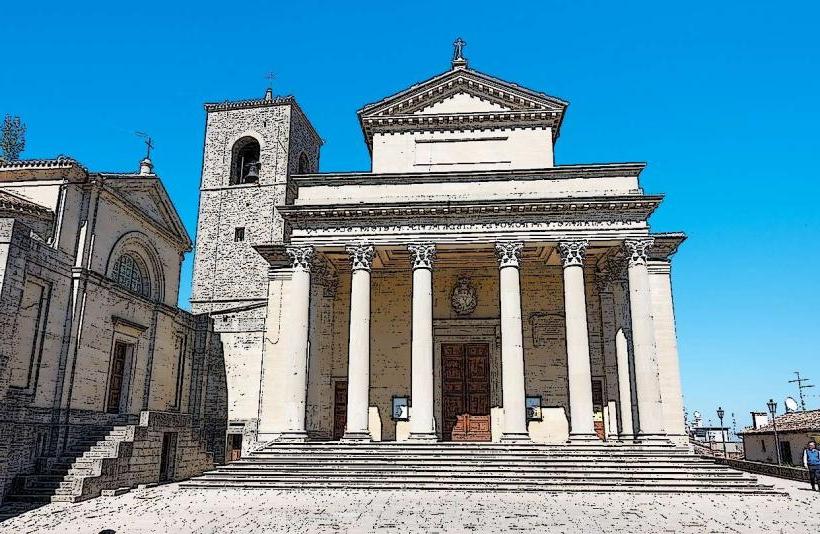
- Basilica di San Marino: 0.3km Northwest
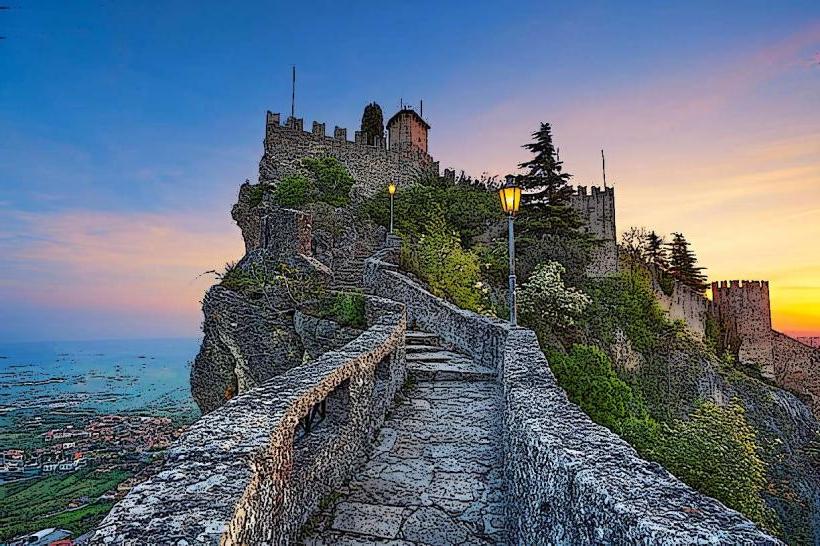
- Guaita Tower: 0.7km East
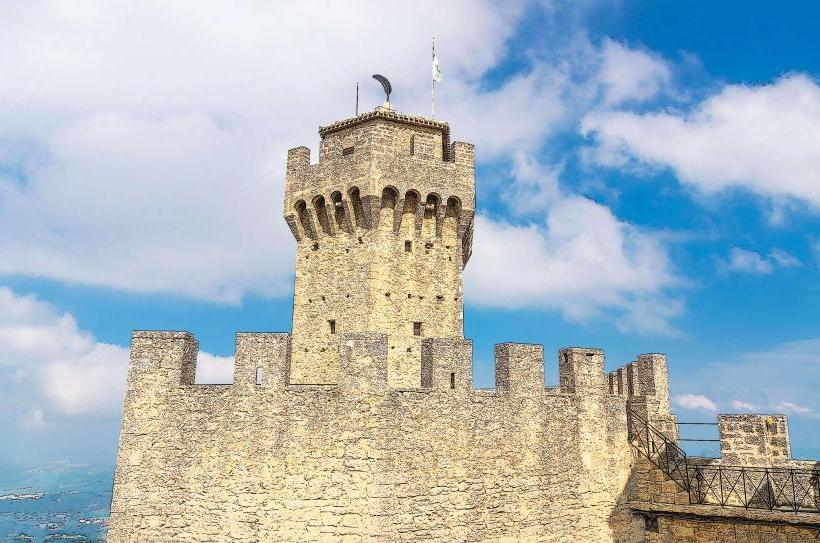
- Cesta Tower: 1.0km East
- Museum of State: 0.1km North