Information
Landmark: Centro StoricoCity: City of San Marino
Country: San Marino
Continent: Europe
Centro Storico, City of San Marino, San Marino, Europe
The Centro Storico is the historic center of the City of San Marino, serving as the capital of the Republic of San Marino. It is situated atop Monte Titano.
Visual Characteristics
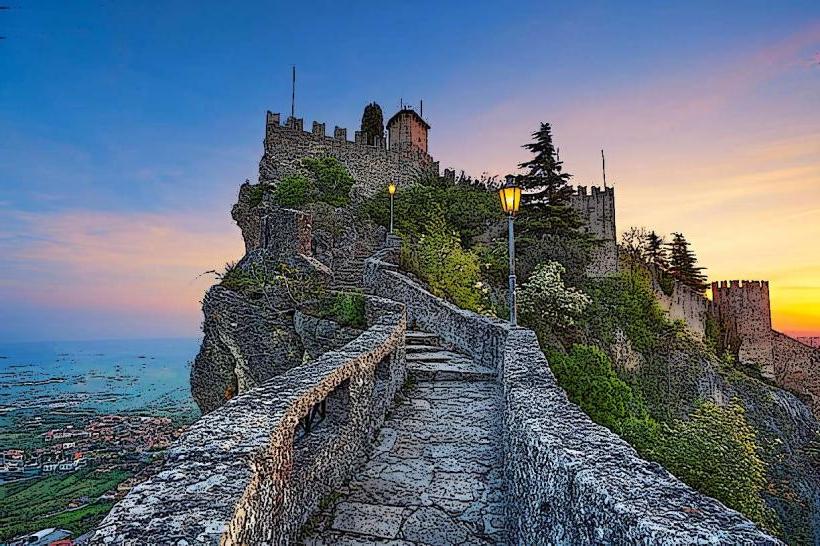
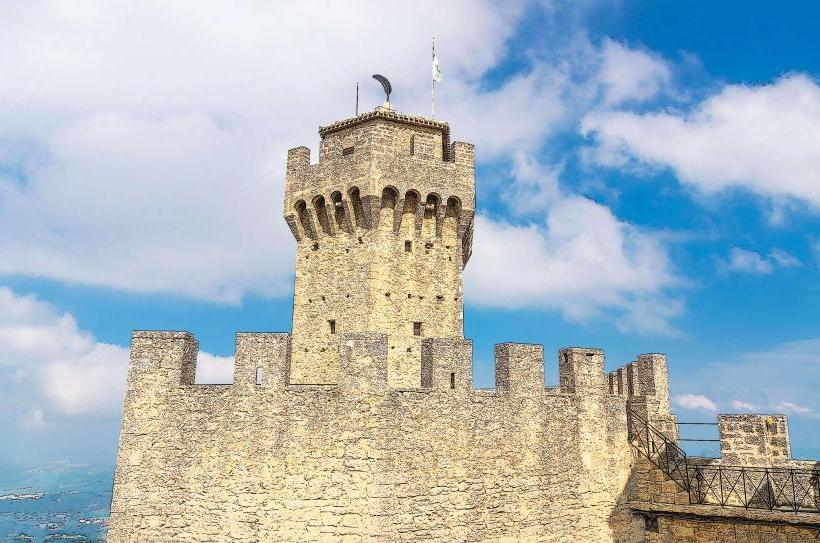
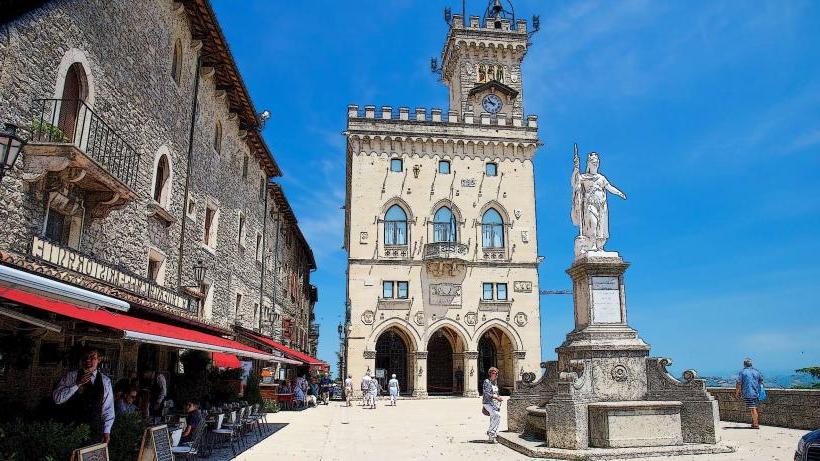
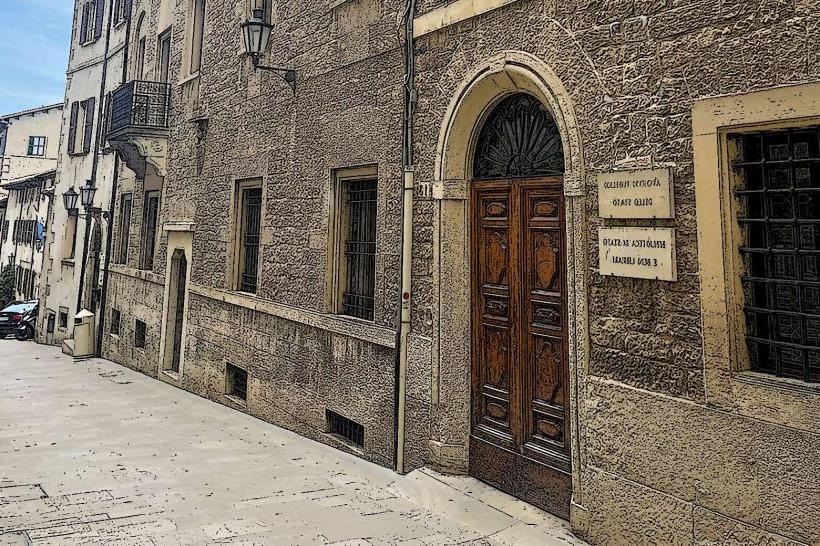
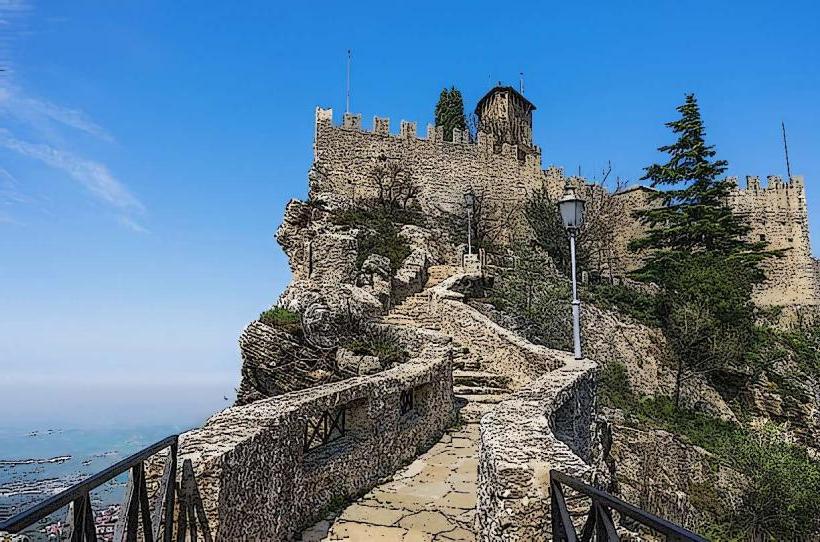
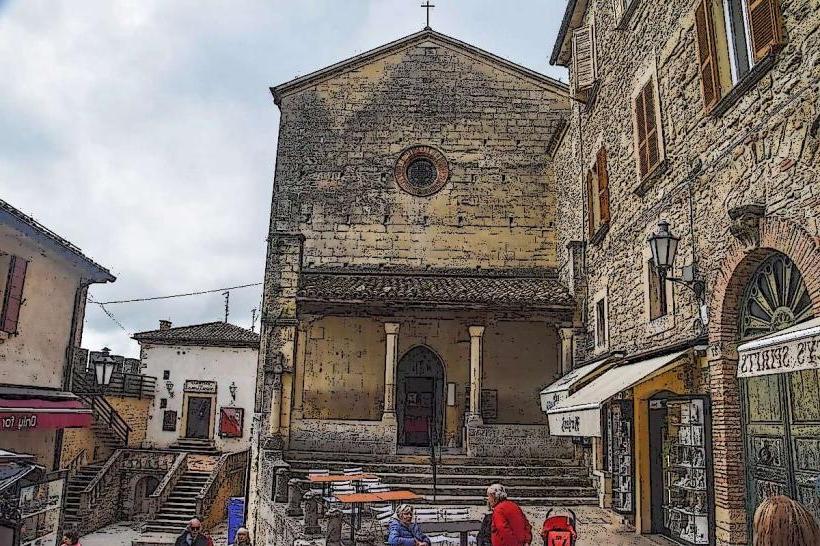
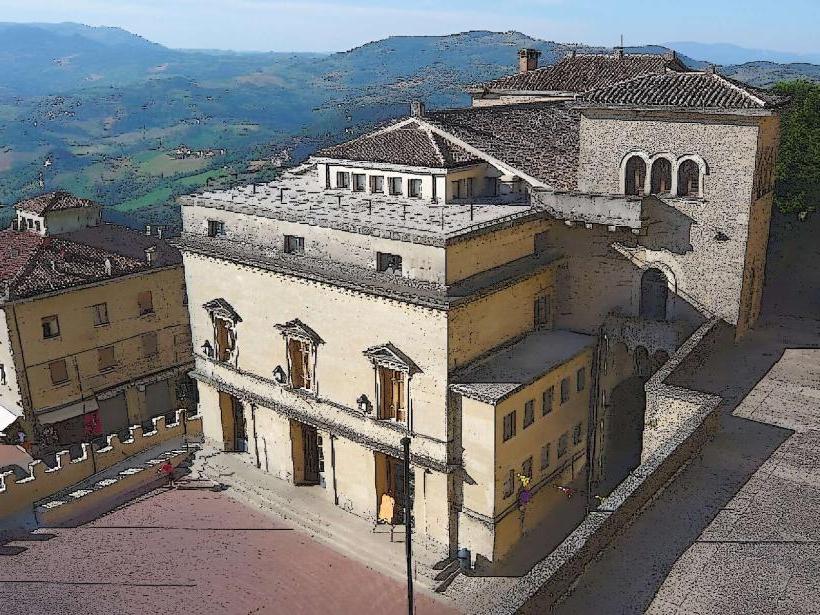
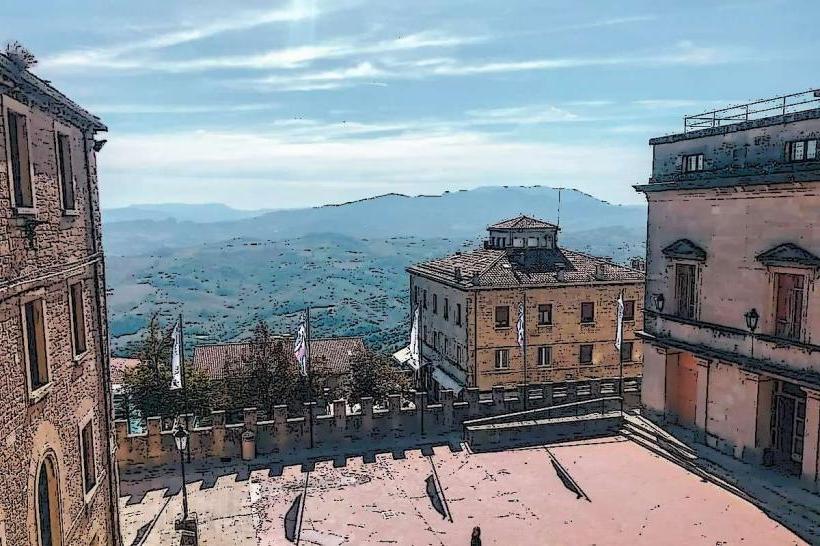
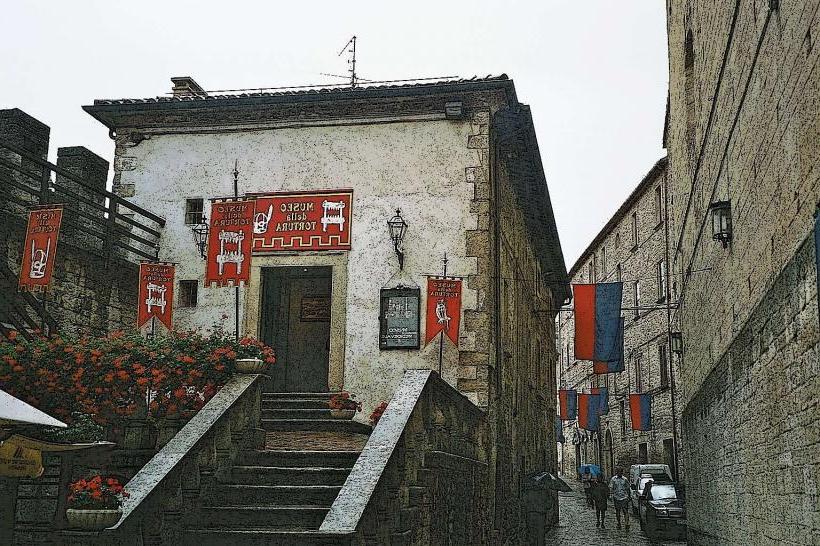
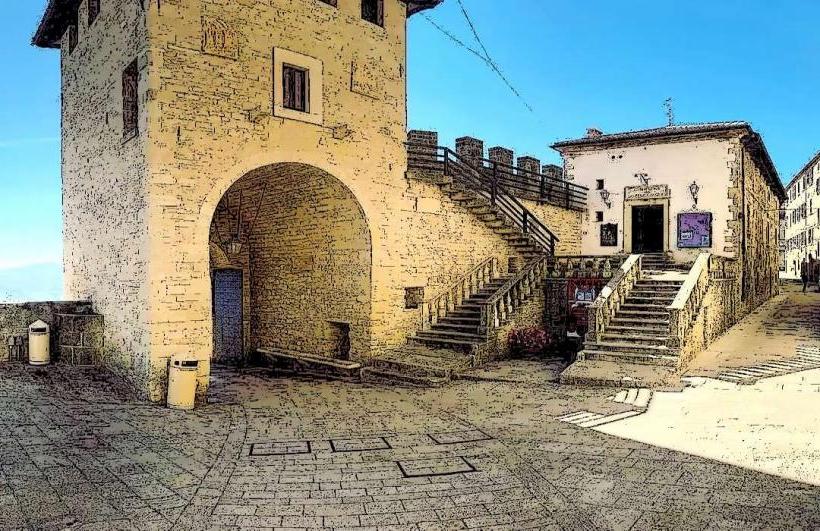
The historic center features medieval architecture characterized by narrow, cobblestone streets and stone buildings constructed primarily from local limestone and sandstone. Defensive walls encircle the core, punctuated by three prominent fortresses: Guaita, Cesta, and Montale. Buildings typically have grey or beige stone facades and red-tiled roofs, contributing to the fortified hilltop town aesthetic. The overall height varies due to the mountainous terrain, with structures integrated into the natural contours of the peak.
Location & Access Logistics
The Centro Storico is located on Monte Titano. Access is primarily via the SS72 road from Rimini, Italy, which leads to the base of the mountain. Within San Marino, local roads such as Via XXVIII Luglio provide vehicular access to designated parking areas. Multiple multi-story car parks (e.g., Parcheggio P1A, P2, P3, P4, P5, P6) are available at various levels below the historic core. From these car parks, visitors can walk uphill or utilize the San Marino Cable Car (Funivia), which connects Borgo Maggiore (at the base of Monte Titano) directly to the historic center. The cable car journey takes approximately 2 minutes.
Historical & Ecological Origin
The historic center's origins trace back to 301 AD with the founding of a monastic community by Saint Marinus. Its current medieval layout and defensive structures largely developed between the 13th and 16th centuries, continuously reinforced to protect the independent Republic. It functioned as the political, religious, and defensive nucleus of the microstate. The site is recognized as a UNESCO World Heritage property.
Key Highlights & Activities
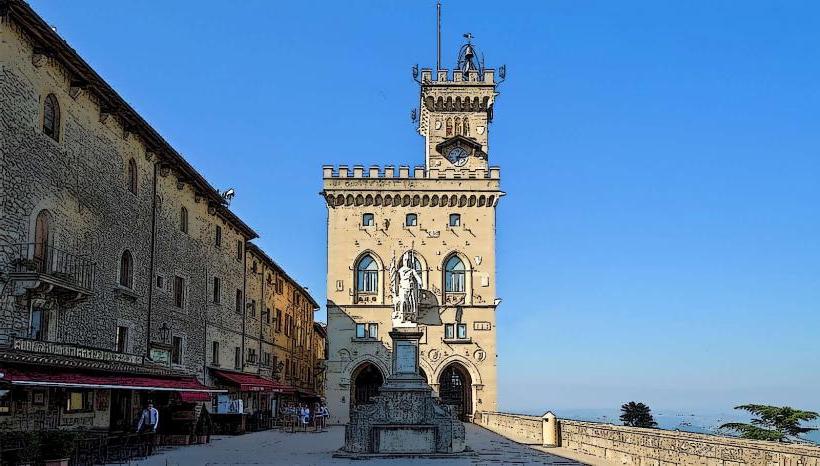
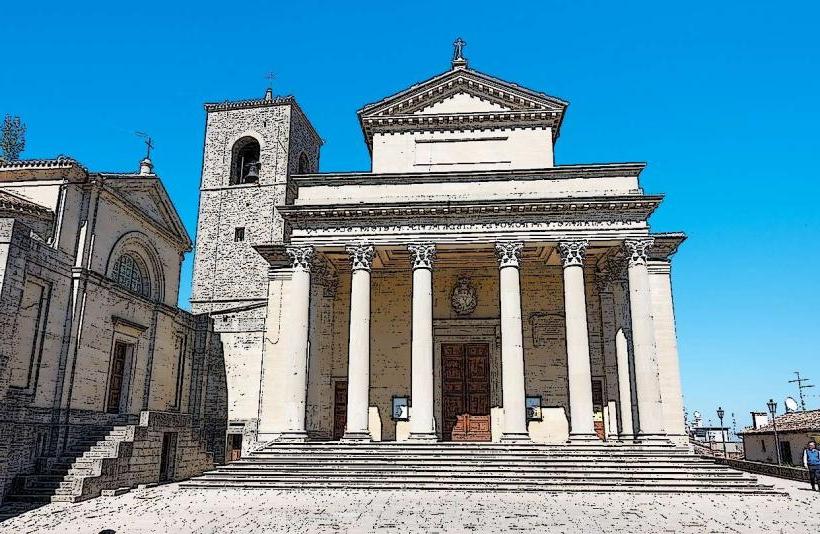
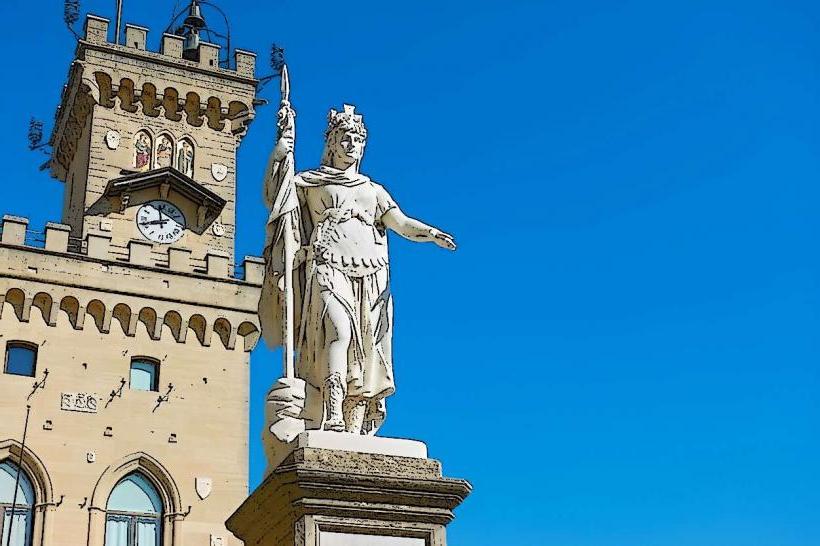
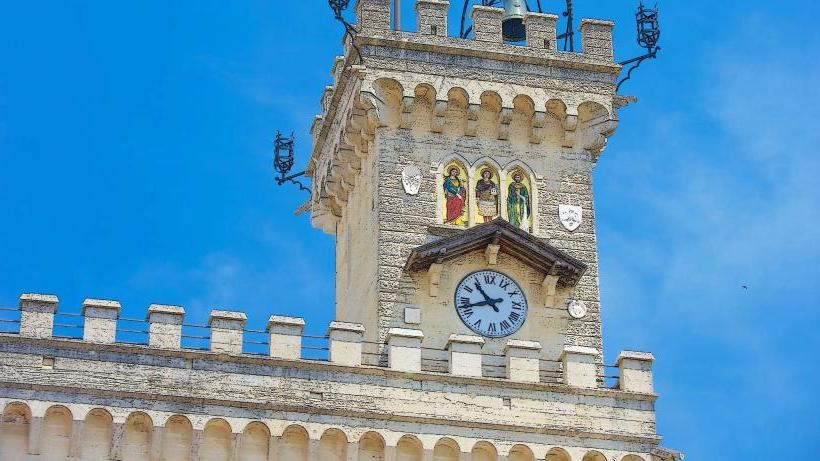
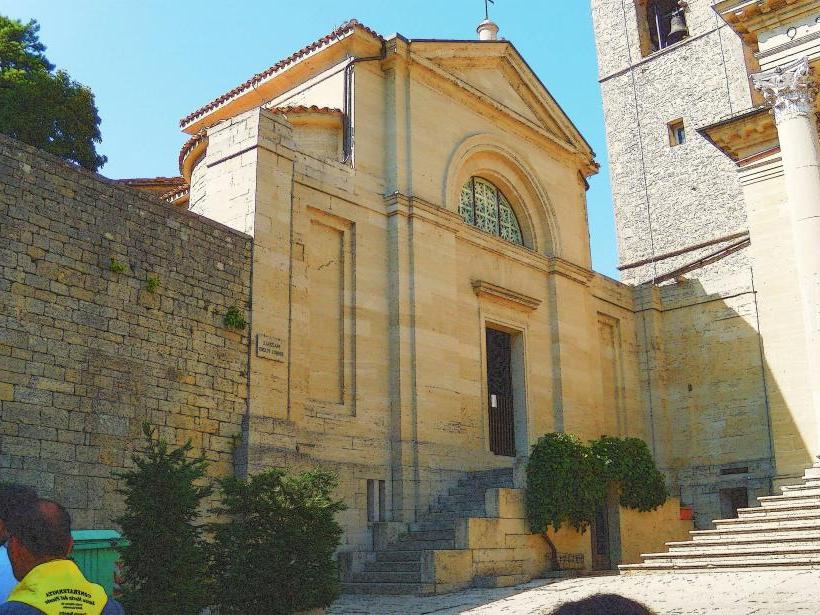
Visitors can explore the Three Towers of San Marino (Guaita, Cesta, Montale), with access to the interiors of Guaita and Cesta. Walking along the ancient city walls offers panoramic views. The Piazza della Libertà and the Palazzo Pubblico (Government House) are central points of interest. The Basilica di San Marino is open for visitation. Numerous artisan shops offer local products, and various viewpoints provide extensive vistas of the surrounding landscape.
Infrastructure & Amenities
Public restrooms are available in several locations throughout the Centro Storico and within some museums and restaurants. Natural shade is limited in open plazas but can be found in narrow streets and under some covered walkways. Cell phone signal (4G/5G) is generally reliable. Numerous restaurants, cafes, and souvenir shops are distributed throughout the historic core, offering food and retail options.
Best Time to Visit
For photography, early morning or late afternoon provides softer light and fewer crowds. The months of May, June, September, and October offer mild temperatures and are generally less crowded than the peak summer months. July and August can be hot and experience higher visitor numbers. Weekdays typically have fewer visitors than weekends.
Facts & Legends
The Republic of San Marino is one of the world's oldest surviving sovereign states and constitutional republics, with its foundation traditionally dated to 301 AD. A local legend recounts that Saint Marinus, a stonemason fleeing religious persecution, established a monastic community on Monte Titano, which eventually evolved into the independent Republic.
Nearby Landmarks
- Borgo Maggiore: 1.5km North
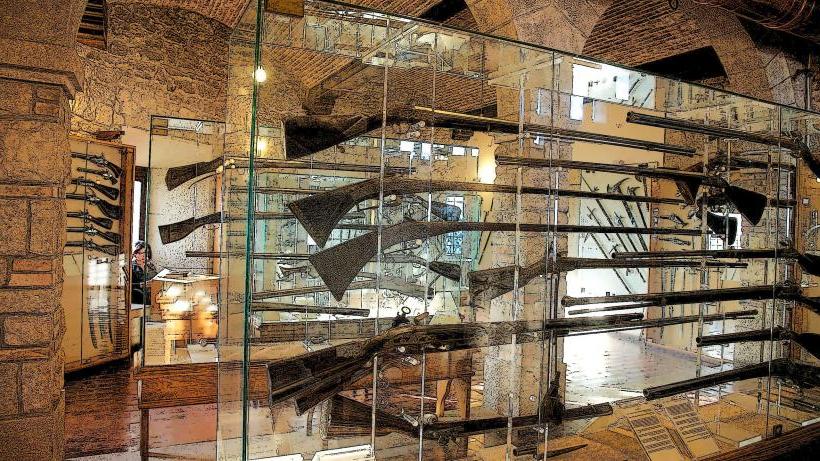
- Museum of Ancient Weapons (within Cesta Tower): 0.1km East
- State Museum of San Marino: 0.3km West
- Basilica di San Marino: 0.2km West