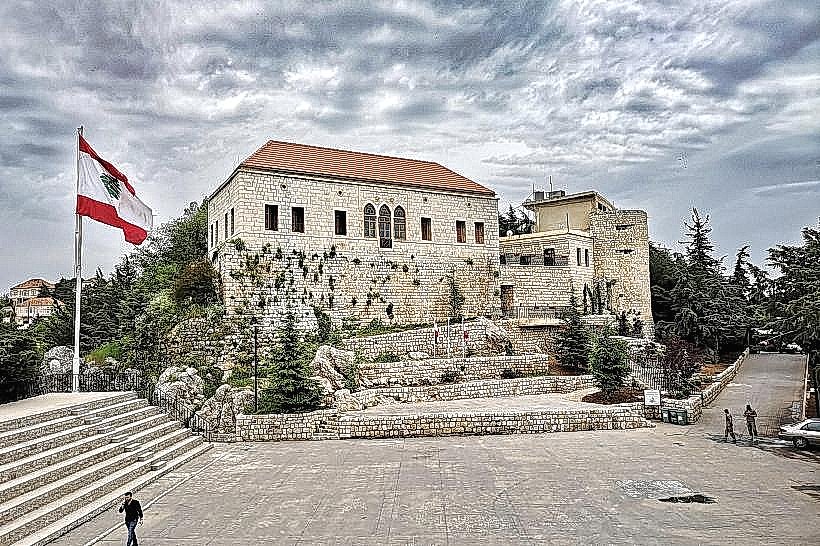
Landmark: Chehab Citadel
City: Hasbaya
Country: Lebanon
Continent: Asia
Chehab Citadel, Hasbaya, Lebanon, Asia
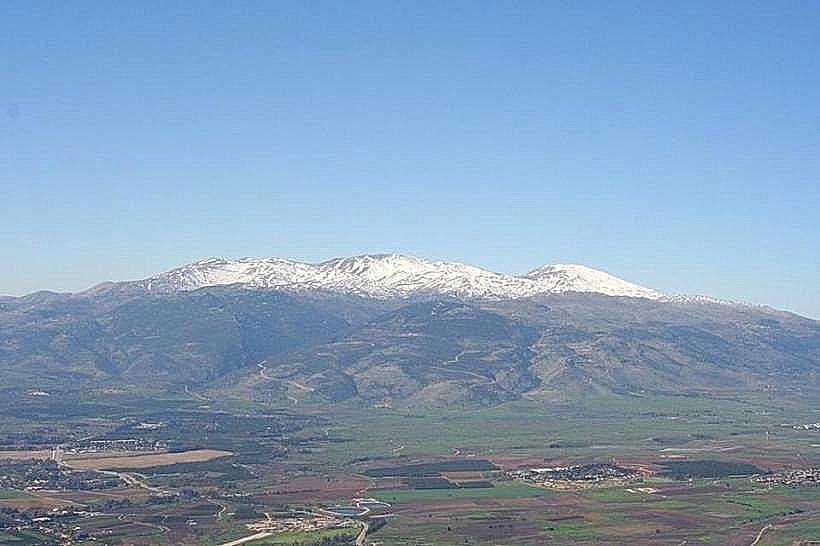
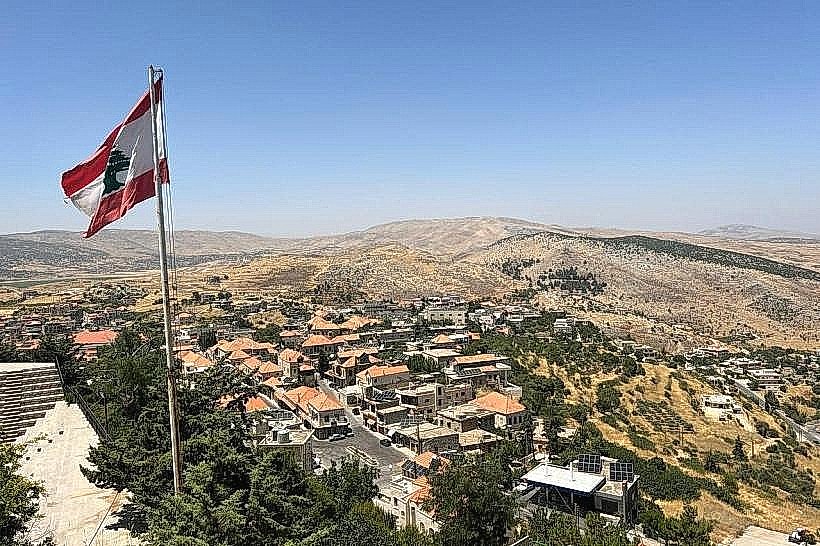
The Chehab Citadel, also known as the Rashaya Citadel, is a defensive fortification situated on a prominent hill in the town of Rashaya al-Wadi within the Beqaa Governorate of Lebanon. The structure commands a strategic vantage point overlooking the town and the northern approaches to Mount Hermon.
Visual Characteristics
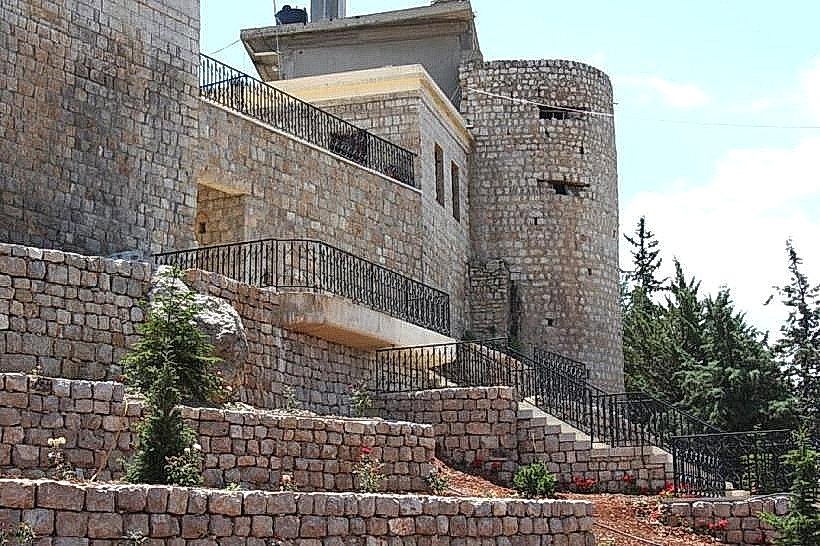
The Chehab Citadel is constructed entirely from large, locally quarried white limestone blocks, displaying a mixture of Crusader, Mamluk, and Ottoman masonry styles. The complex features thick curtain walls, vaulted underground chambers, pointed stone arches, and heavy square defensive towers. The interior layout includes residential quarters, administrative rooms, and an open central courtyard. The exterior appearance is defined by weathered light-grey stone surfaces that blend into the rocky limestone terrain of the ridge.
Location & Access Logistics
The Chehab Citadel is located approximately 85 kilometers southeast of Beirut and can be reached via the Beirut-Damascus Highway, turning south at Chtaura toward the town of Rashaya. The fort sits at the highest point of the town, directly accessible by a paved ascending road branching from the main municipal square. A small asphalt parking area is located directly outside the primary gatehouse. Public transport is available via daily minibuses running between Zahle and the Rashaya town center, from which the site is a 500-meter uphill walk.
Historical & Ecological Origin
The foundation of the Chehab Citadel dates back to the Crusader period in the 12th century, built to secure the mountain pass between Damascus and the coast. It was later captured, expanded, and heavily modified by the Shihab (Chehab) dynasty during the 18th century to serve as a regional seat of governance. The site achieved international historical significance in November 1943 when the French Mandate authorities imprisoned the national leaders of Lebanon within its walls, an event that directly catalyzed Lebanese independence.
Key Highlights & Activities
Exploring the preserved prison cells where the founding fathers of the Lebanese Republic were detained in 1943.
Observing the architectural transition between medieval Crusader foundations and later Ottoman upper levels.
Surveying the panoramic views of the Beqaa Valley and Mount Hermon from the top of the western ramparts.
Viewing historical independence documents and artifacts displayed inside the structural chambers.
Infrastructure & Amenities
The Chehab Citadel is managed as an official historical site and features basic visitor infrastructure, including a ticketing office and informative signage at key structural points. Public restrooms are available within the internal courtyard area. Stable 4G and 5G cellular coverage is available throughout the complex due to its elevated position. No food or beverage vendors operate inside the fort, but numerous restaurants and shops are located within a 300-meter radius in the town center.
Best Time to Visit
The best months to visit are from May to October when mountain roads are completely clear of winter snow and ice. Photography is optimal during the late afternoon, between 16:00 and 18:00, when the setting sun illuminates the western limestone walls and provides clear lighting across the valleys below.
Facts & Legends
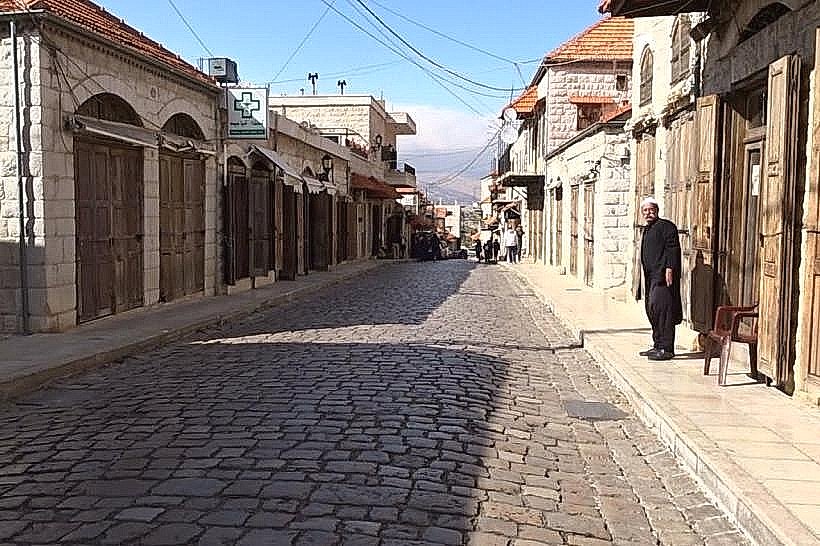
A persistent local legend states that a massive secret tunnel runs from the deepest well inside the Chehab Citadel all the way down to the old market street below. While structural collapses have prevented full exploration of the lower subterranean chambers, historical military records from the 1925 Druze revolt confirm the garrison used deep hidden cisterns to survive prolonged blockades without outside water.
Nearby Landmarks
Rashaya Old Souk: 0.3km West
Our Lady of Deliverance Church: 0.5km Southwest
Al-Chhabib Historic House: 0.4km West
Mount Hermon Hiking Trailhead: 2.3km Southeast