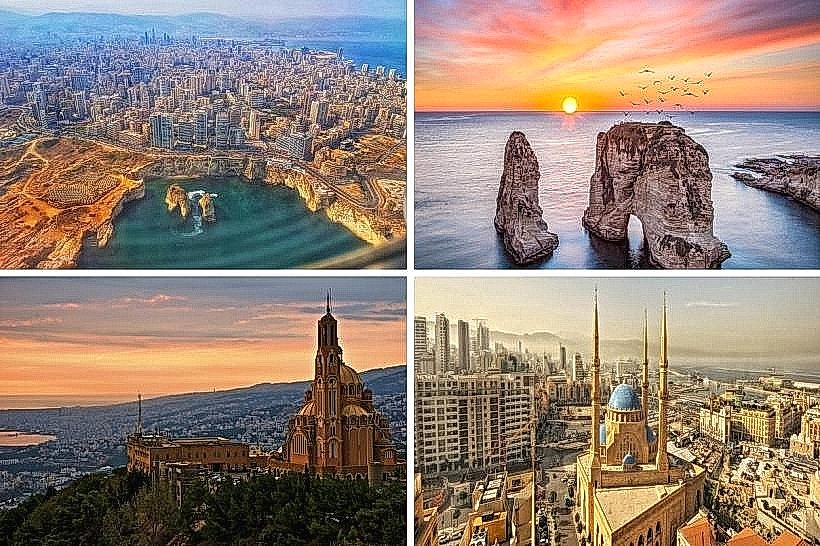
Country: Lebanon
Continent: Asia
Lebanon, Asia
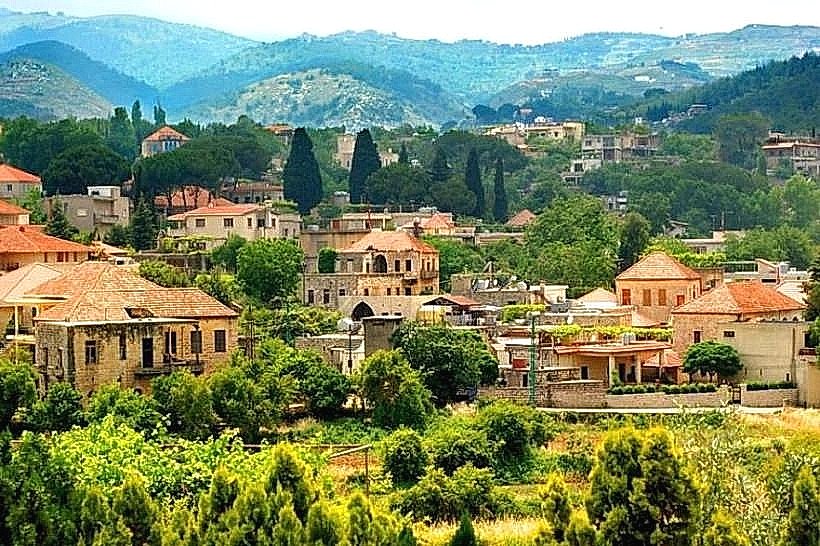
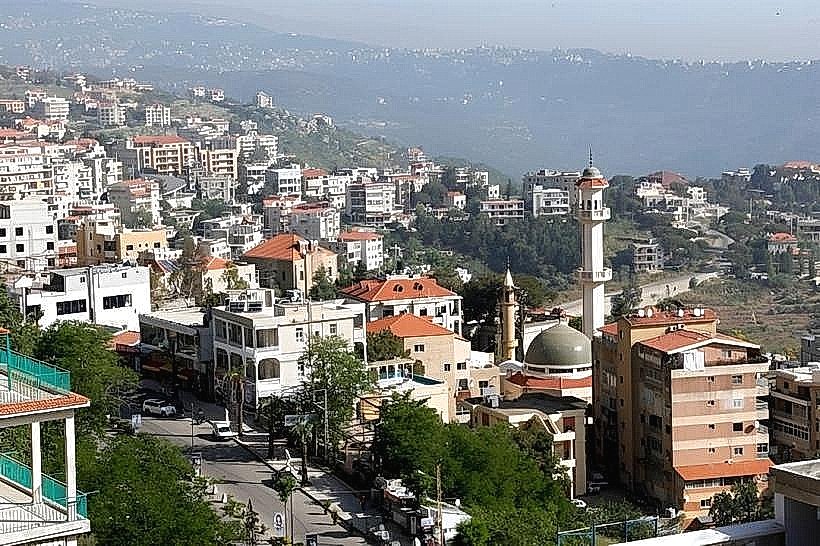
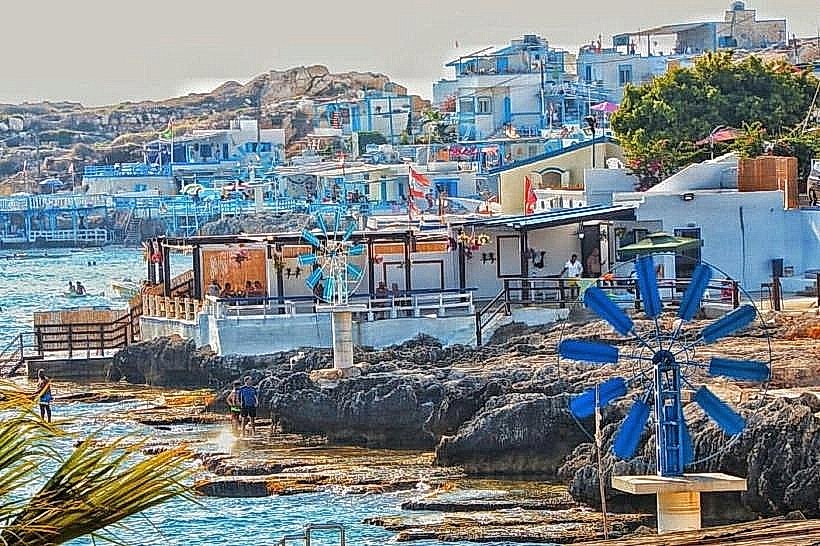
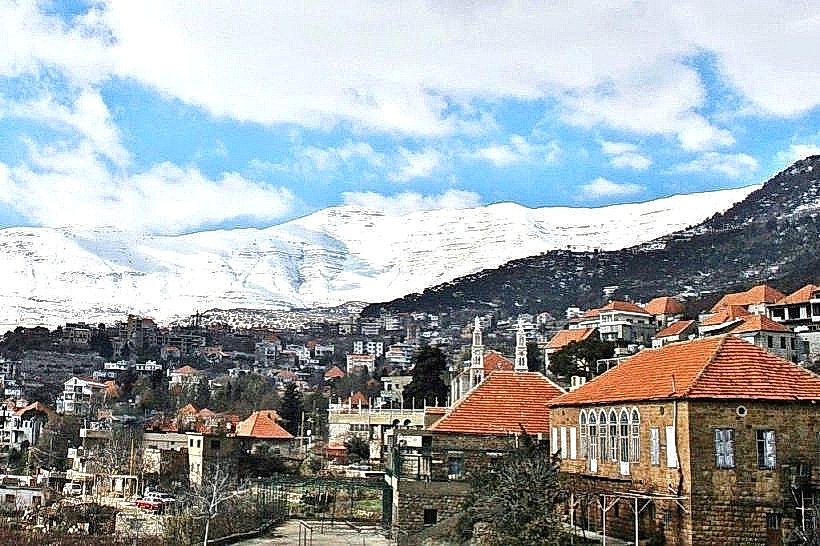
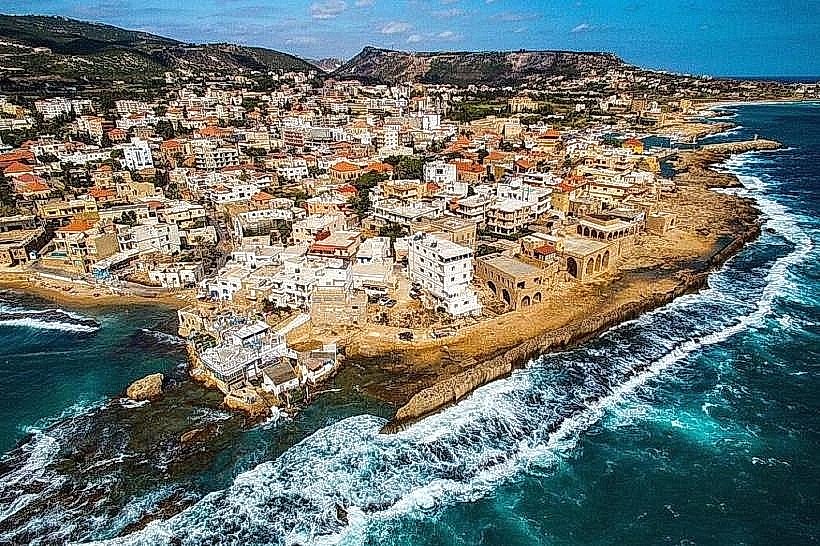
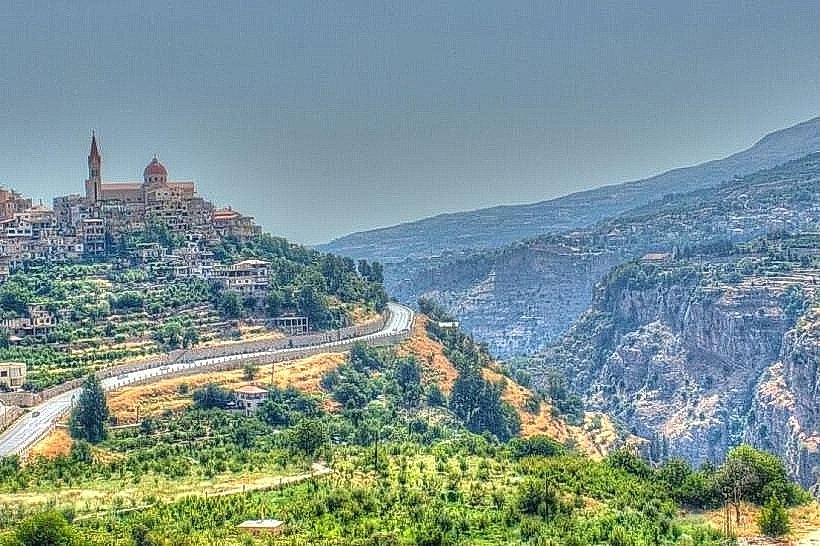
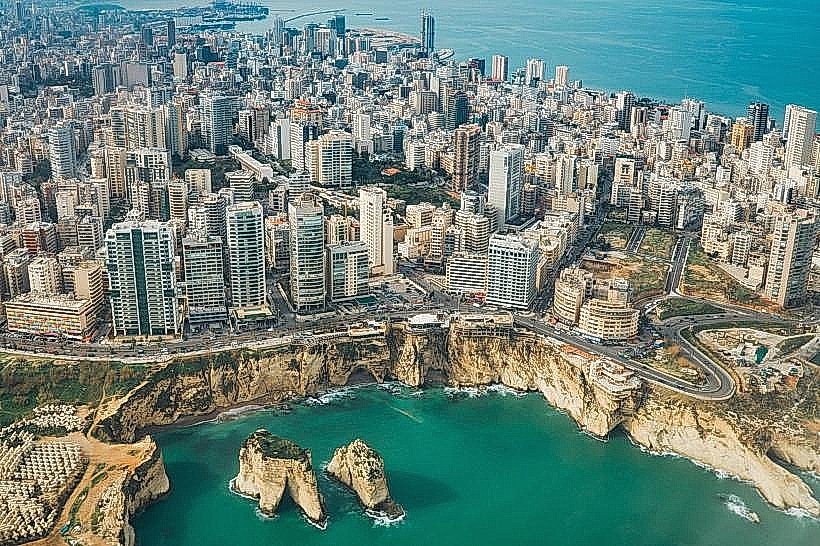
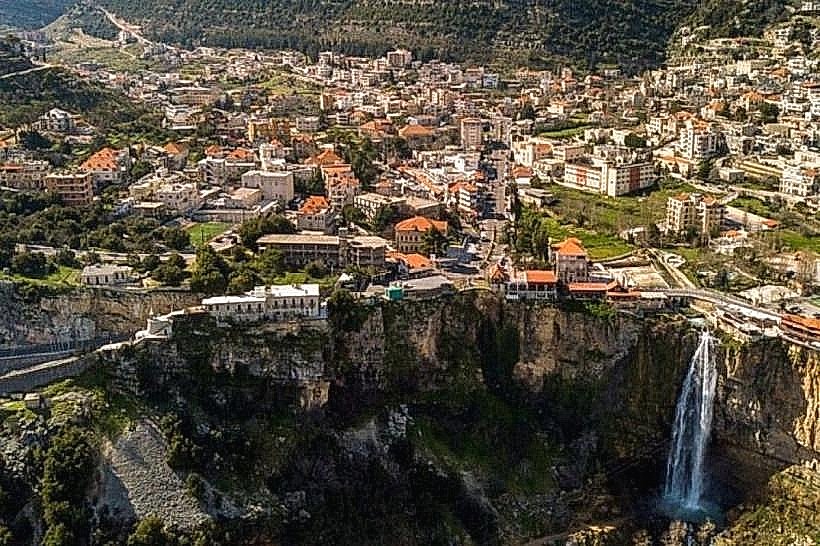
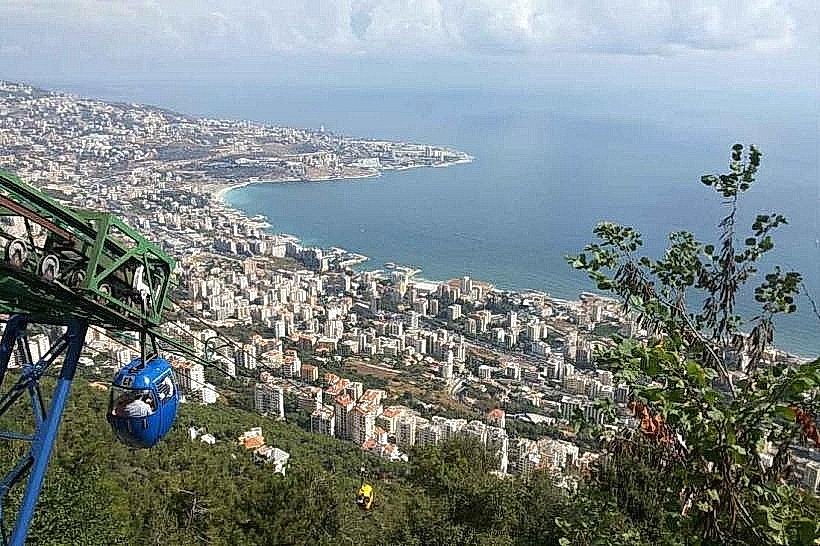
Lebanon is situated on the eastern shore of the Mediterranean Sea, bordered by Syria to the north and east and Israel to the south. The country is defined by the Mount Lebanon range running parallel to the coast and the fertile Bekaa Valley to the east. The capital city is Beirut.
History & Culture
Lebanon gained independence from the French Mandate on November 22, 1943. Major political eras include the 1943 National Pact, the Lebanese Civil War (1975–1990), and the post-Taif Agreement reconstruction period. Primary religious affiliations comprise 18 recognized sects, including Sunni, Shia, and Maronite Christian. Independence Day is the most significant national holiday. Core social etiquette emphasizes hospitality, respect for elders, and a high degree of formality in professional introductions.
Language & Communication
The official language is Arabic. English proficiency is high in urban centers and among the youth and professional classes, while French is also widely spoken. The dominant local dialect is Lebanese Levantine Arabic.
Population & Economy
The total population is approximately 5.9 million, with 84.4% residing in urban areas. Top export commodities include gold, jewelry, and chemical products. GDP per capita is approximately $3,500 USD. The services sector, particularly banking and tourism, remains the primary industry driving the labor market.
Visa & Entry Policy
EU, US, and UK passport holders are eligible for a free one-month Visa on Arrival at Beirut Rafic Hariri International Airport. There is currently no E-Visa system for these nationalities. Entry is strictly denied to travelers whose passports contain stamps, visas, or seals from Israel.
Currency & Payment Systems
The currency is the Lebanese Pound (LBP). Cash is the primary method of payment across the country, though US Dollars (USD) are used interchangeably with LBP in daily transactions. Credit card acceptance is limited to high-end hotels and large retailers in Beirut. ATMs are available in cities but often restrict withdrawals for international cards; rural ATM access is unreliable.
National Transport Grid
Travel between cities is conducted via private vehicles or a network of shared minivans and buses. There is no functioning rail system or domestic flight network. Long-distance transport relies on private bus companies like Connex or the Charles Helou bus station hub in Beirut.
Digital Infrastructure
The primary mobile network providers are Alfa and Touch. 4G coverage is consistent in major cities and coastal areas, though signal reliability decreases in high-altitude mountain regions. 5G deployment is limited to specific zones within Beirut.
Climate & Seasonality
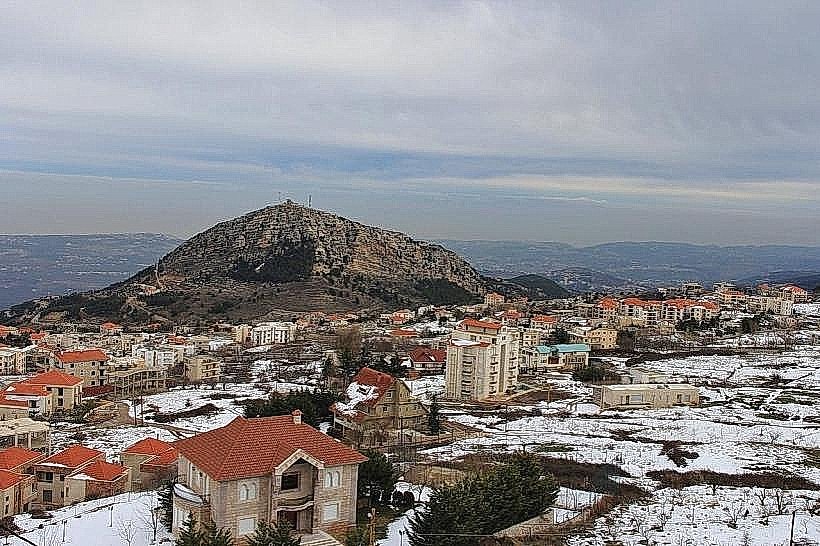
The coast has a Mediterranean climate with hot, humid summers and cool, rainy winters. The mountain regions experience temperate summers and heavy snowfall in winter. The wet season spans November to March, while the dry season occurs from June to September.
Health & Safety
There are no mandatory vaccines for entry, though Hepatitis A and Typhoid are recommended. Health risks include occasional cholera outbreaks and environmental heat stress. In emergencies, dial 140 for the Red Cross (Ambulance) or 112 for the Police.
Top Major Regions & Cities
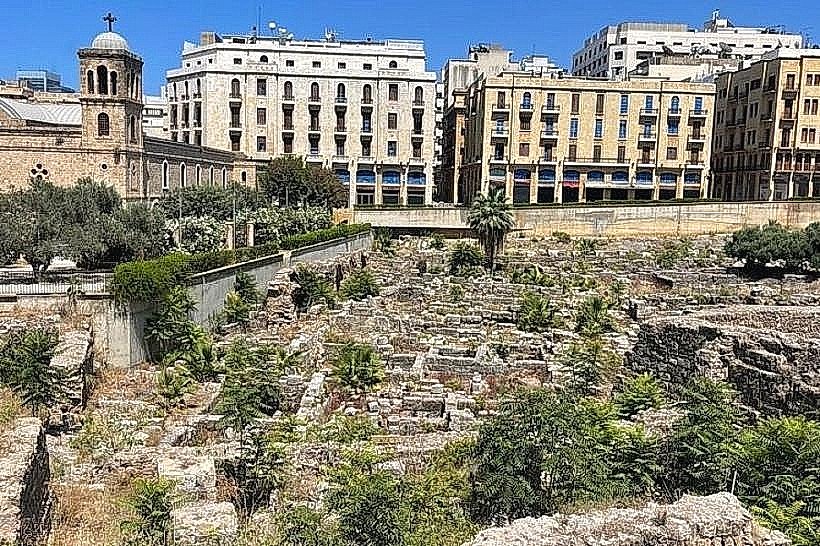
Central Coast: Beirut (National hub and economic center).
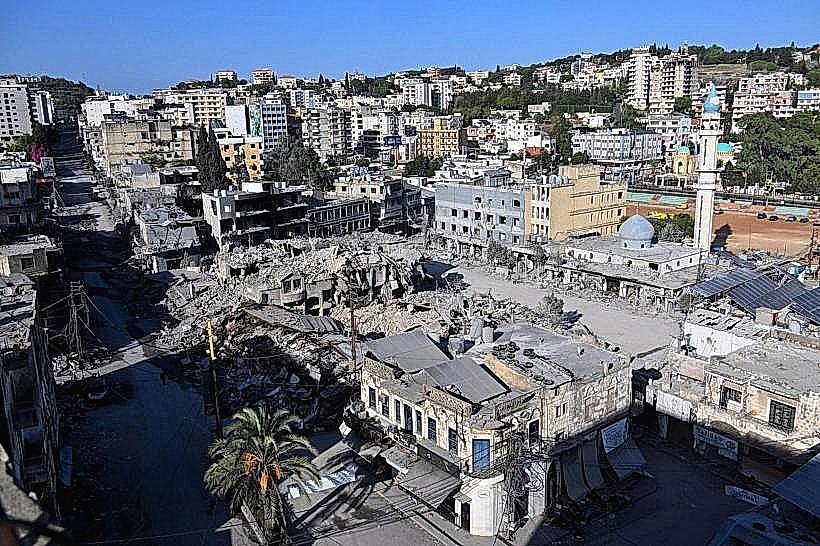
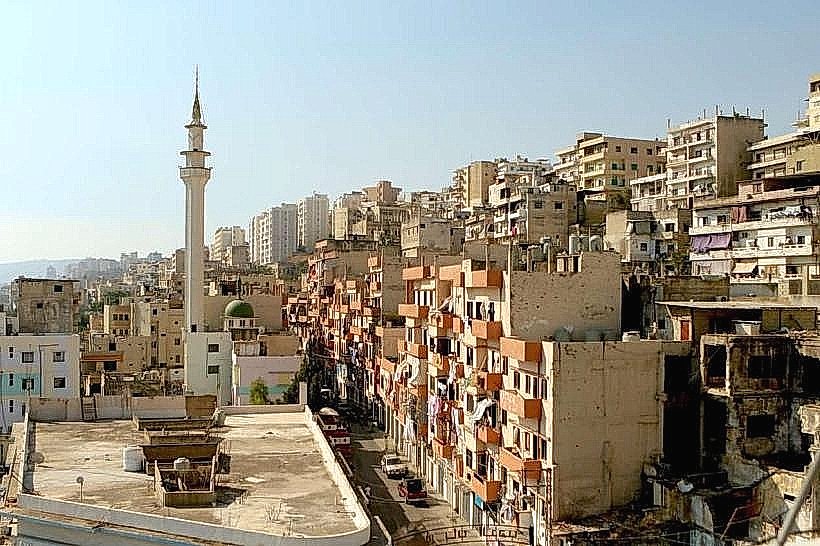
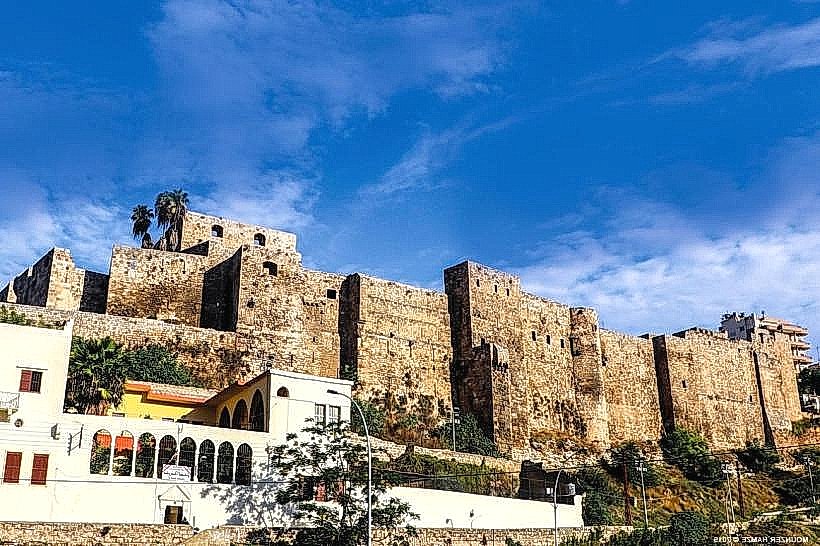
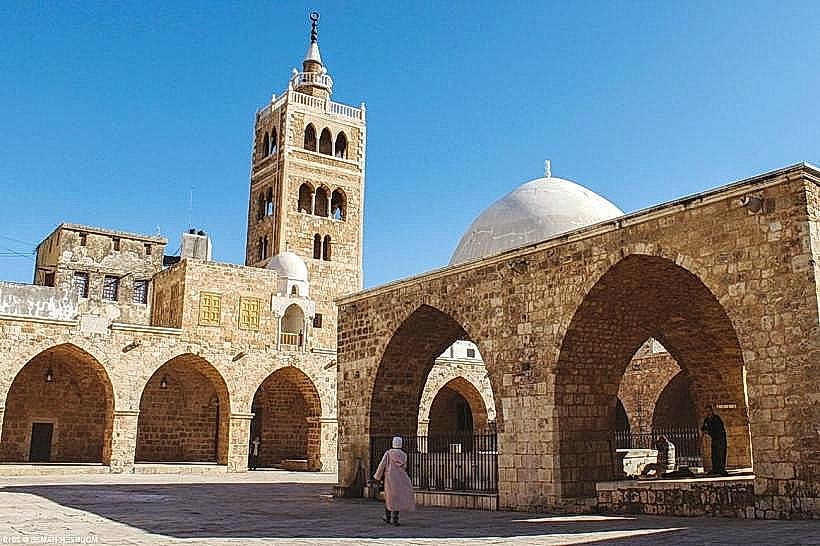
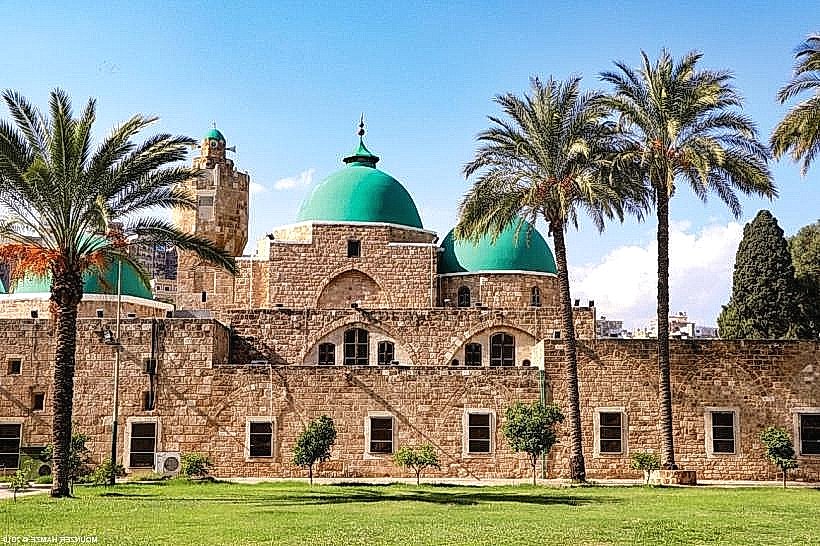
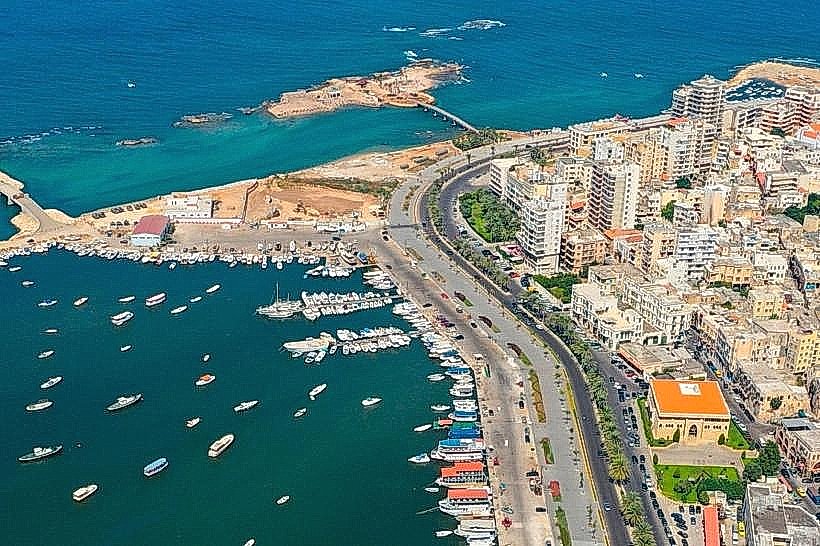
North Lebanon: Tripoli (Historic Mamluk architecture and commercial port).
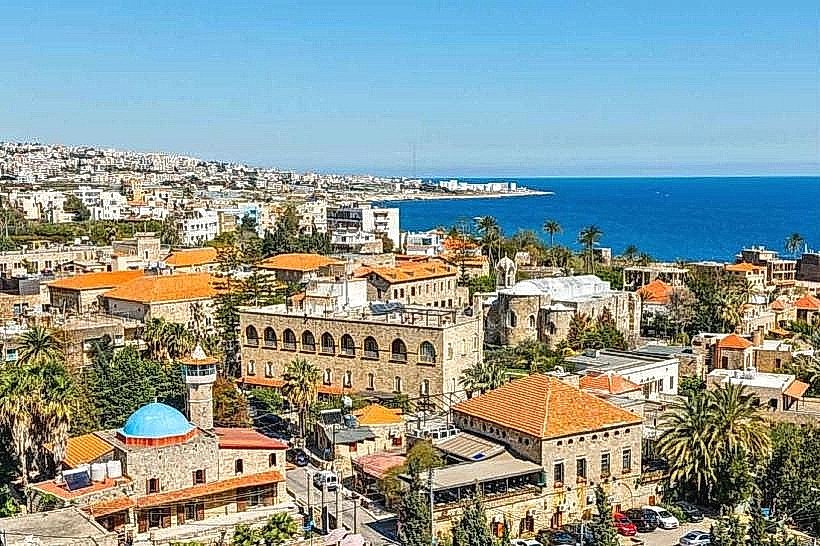
Mount Lebanon: Byblos (Jbeil) (Ancient Phoenician port and archaeological site).
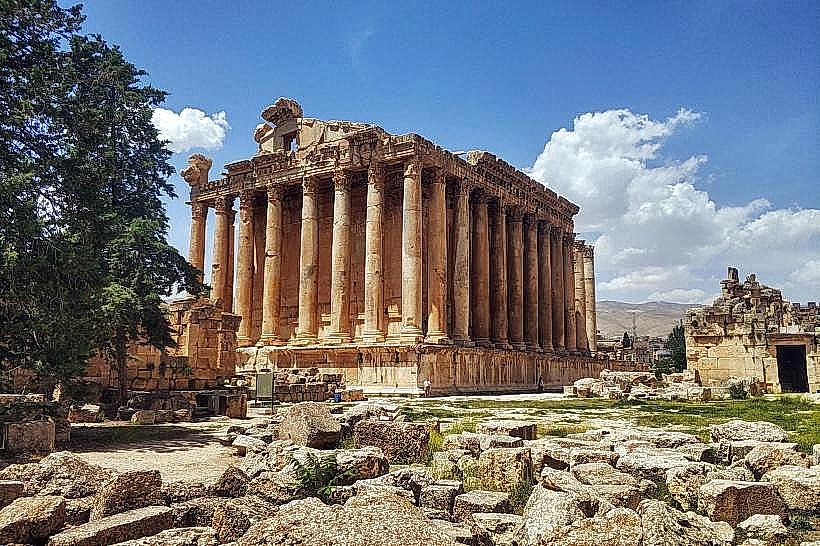
Bekaa Valley: Baalbek (Location of major Roman temple complexes).
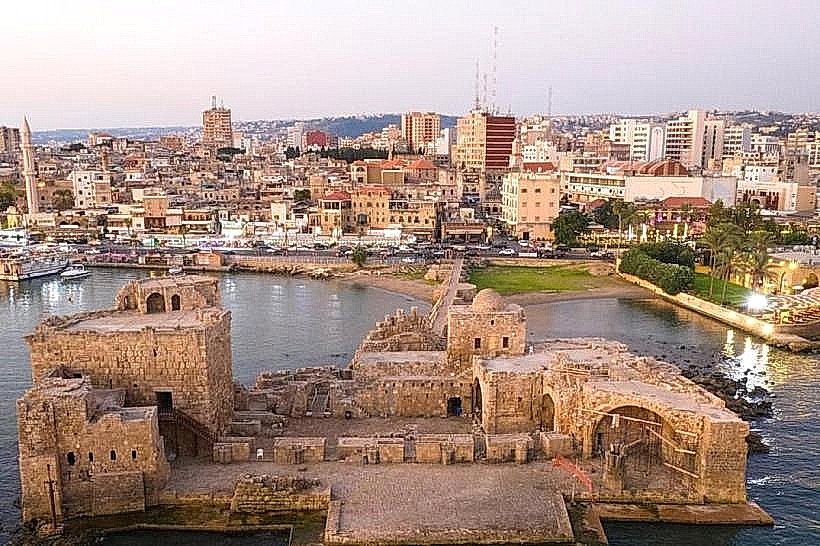
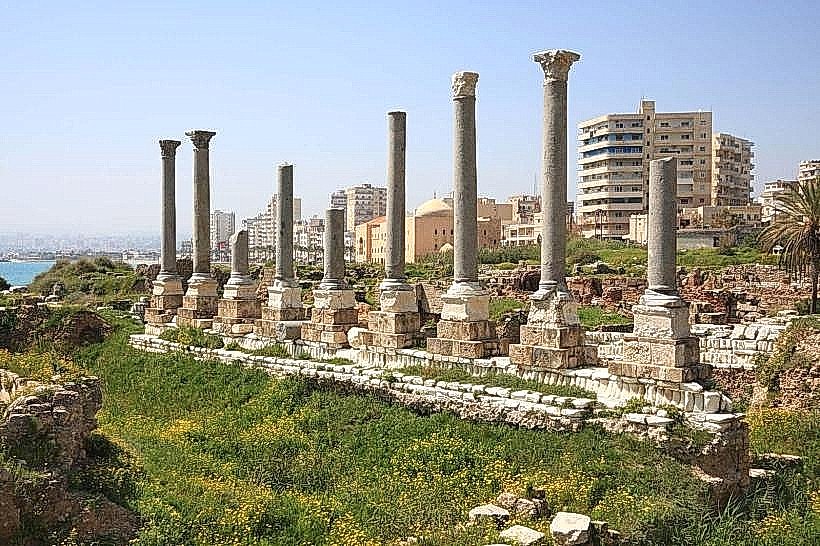
South Lebanon: Tyre (Sour) (UNESCO-listed Roman ruins and coastal city).
Local Cost Index
1L Water: 45,000 LBP ($0.50 USD)
1 Domestic Beer (Almaza): 180,000 LBP ($2.00 USD)
1 SIM Card (Data Plan): 900,000 LBP ($10.00 USD)
Facts & Legends
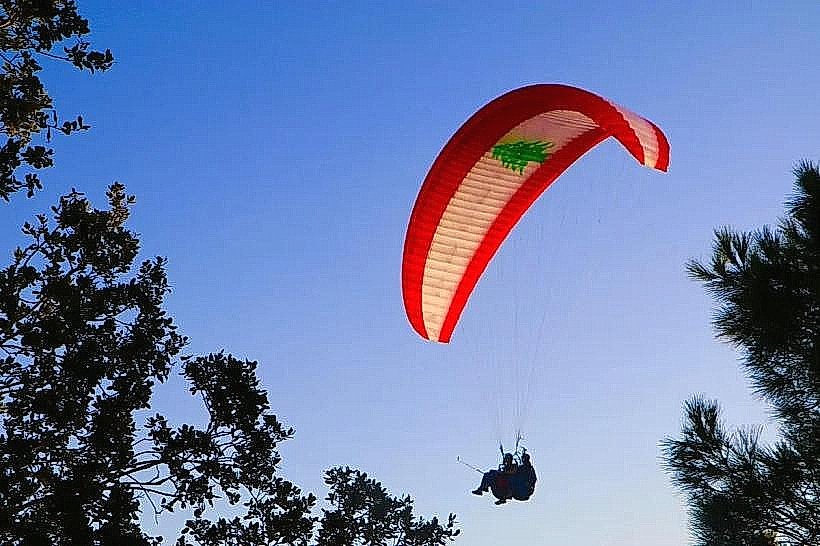
Lebanon is home to the Cedars of God, a forest mentioned 75 times in the Bible. Local legend states that these trees were planted by God's own hand, and the cedar remains the central symbol on the national flag, representing resilience and eternity.