Landmark: Cheyenne Mountain State Park
City: Colorado Springs
Country: USA Colorado
Continent: North America
Cheyenne Mountain State Park, Colorado Springs, USA Colorado, North America
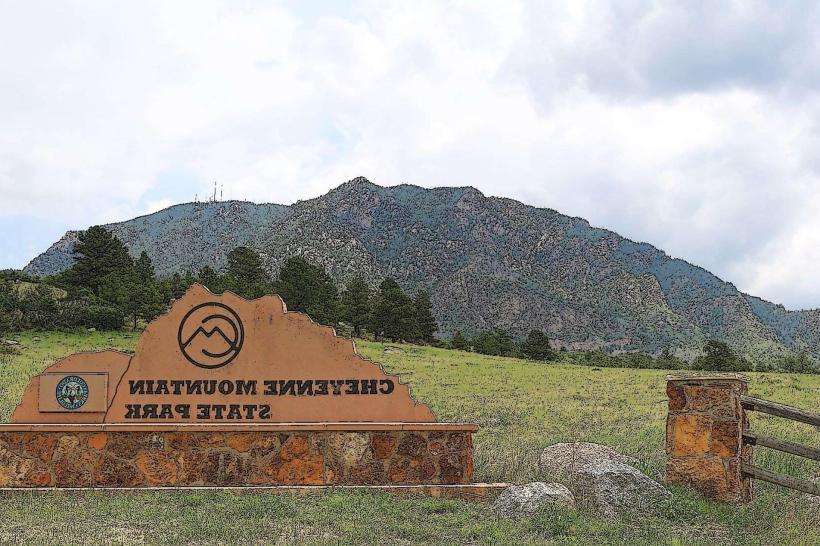
Cheyenne Mountain State Park is a protected natural area situated on the eastern slope of Cheyenne Mountain near Colorado Springs, Colorado. It encompasses 2,700 acres of diverse terrain, including grasslands, woodlands, and rock formations.
Visual Characteristics
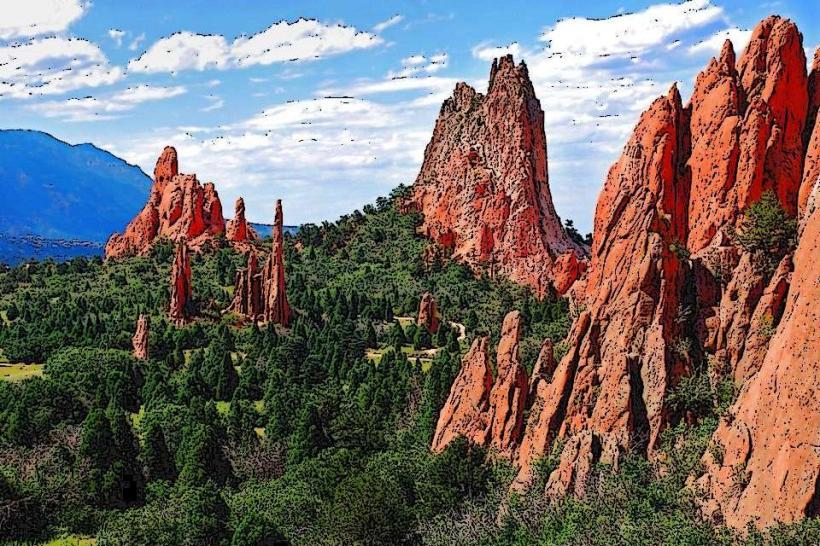
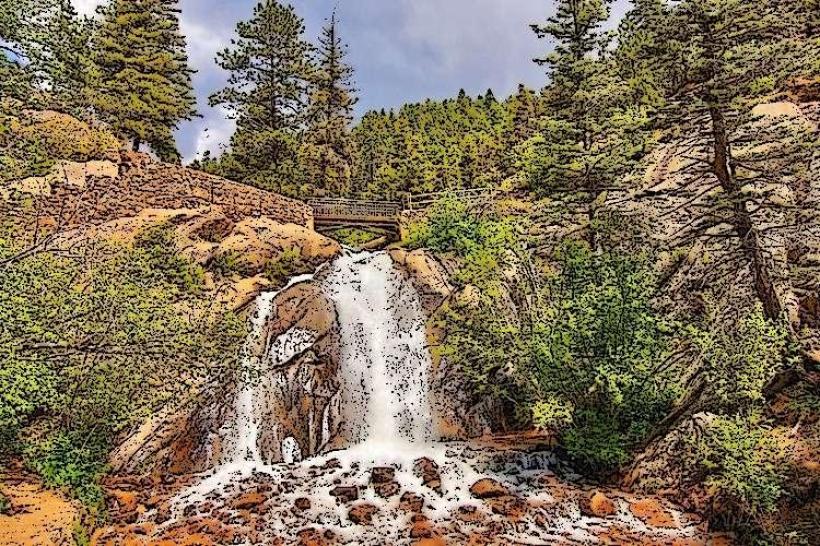
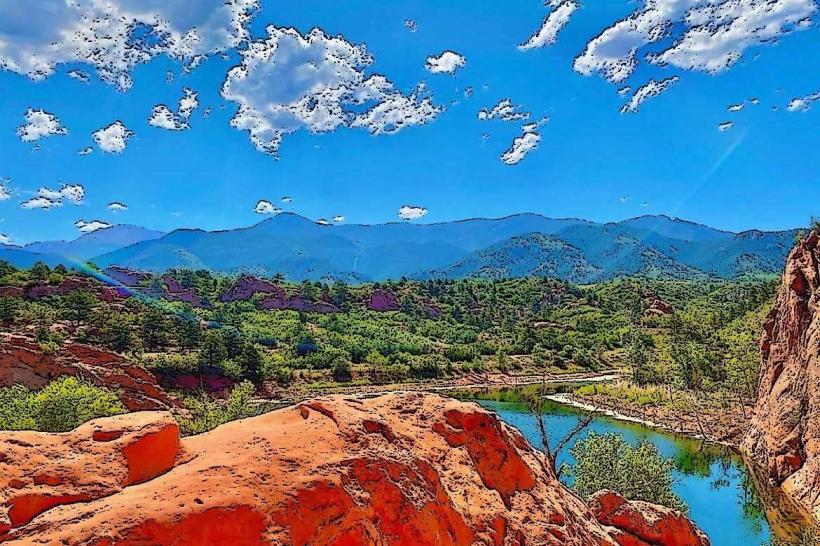
The park features varied topography with elevations ranging from approximately 6,000 to 8,000 feet. Vegetation includes ponderosa pine, juniper, and various grasses. Rock outcrops and canyons are prominent features. Wildlife commonly observed includes mule deer, wild turkey, and various bird species.
Location & Access Logistics
The park entrance is located at 4100 North Cheyenne Canyon Road, Colorado Springs, CO 80906. It is approximately 10 miles southwest of downtown Colorado Springs. Access is via North Cheyenne Canyon Road, which connects to Highway 24. Ample parking is available at the park's visitor center and various trailheads. No public transport directly serves the park entrance; private vehicle is the primary access method.
Historical & Ecological Origin
Cheyenne Mountain State Park was established in 2000 through a land acquisition by Colorado Parks and Wildlife. The area's geology is characterized by Precambrian metamorphic and igneous rocks, forming the uplift of the Front Range. Ecologically, it represents a transition zone between plains and montane environments.
Key Highlights & Activities
Activities include hiking on over 20 miles of trails, ranging from easy to strenuous. Birdwatching is a popular activity due to the diverse avian population. Camping is available in designated campgrounds. Rock climbing is permitted in specific, designated areas. Archery hunting is permitted during designated seasons.
Infrastructure & Amenities
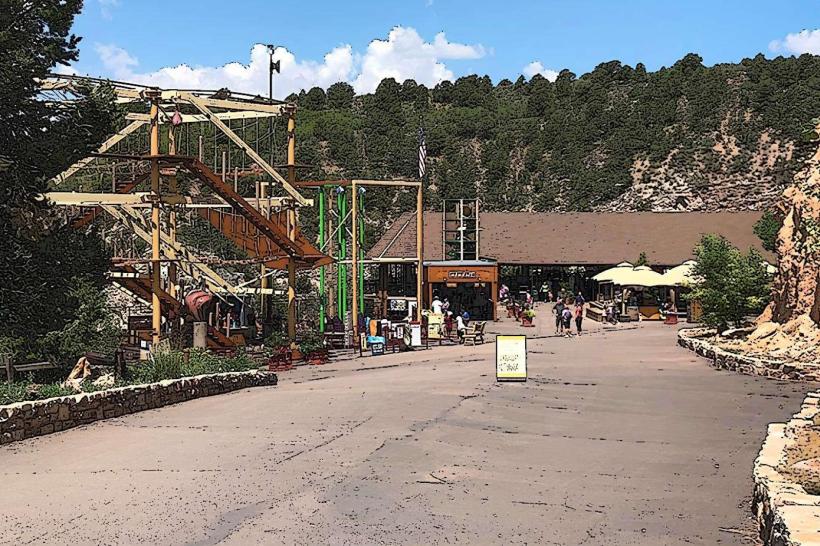
The park provides a visitor center with restrooms and information. Picnic areas with tables and grills are available. Campgrounds offer basic amenities including restrooms and water access. Cell phone signal is intermittent throughout the park, with better reception near the visitor center. No food vendors are located within the park; visitors should bring their own provisions.
Best Time to Visit
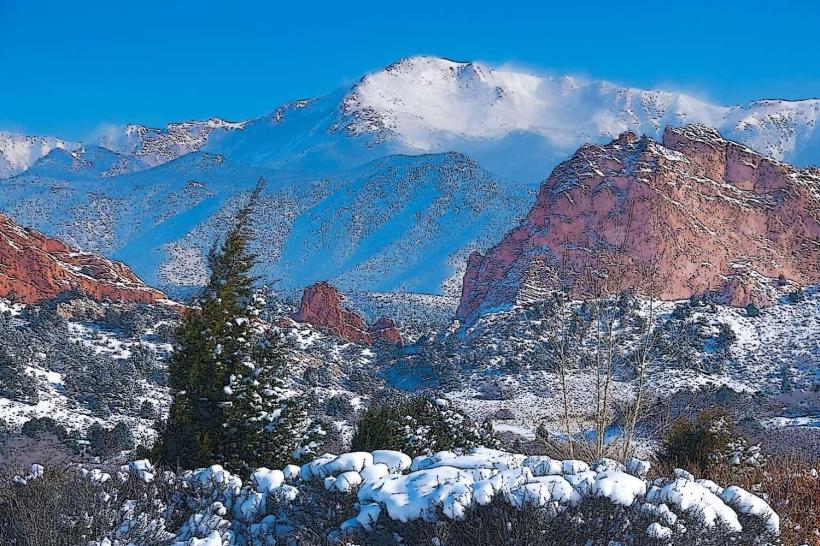
For optimal wildlife viewing, early morning and late afternoon are recommended. Spring (April-May) offers blooming wildflowers and active wildlife. Fall (September-October) provides cooler temperatures and autumn foliage. Summer can be hot, with afternoon thunderstorms common. Winter offers opportunities for snowshoeing and cross-country skiing, though some trails may be impassable.
Facts & Legends
Cheyenne Mountain is home to the Cheyenne Mountain Complex, a NORAD facility, though this is not accessible to the public. Local lore sometimes refers to the mountain as a place of spiritual significance for indigenous tribes who historically inhabited the region.
Nearby Landmarks
- Cheyenne Canon Park (0.5km West)
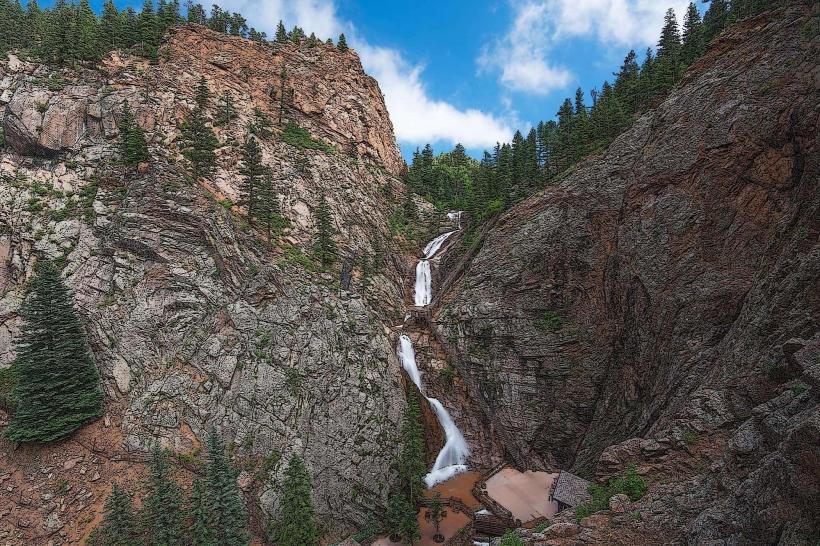
- The Broadmoor Seven Falls (2km West)
- Starsmore Visitor and Nature Center (3km North)
- Garden of the Gods Park (6km North)