Landmark: Cueva de Los Condores
City: Cordoba City
Country: Argentina
Continent: South America
Cueva de Los Condores, Cordoba City, Argentina, South America
Cueva de Los Condores is a geological formation located in the Sierras Chicas mountain range, approximately 40 kilometers northwest of Cordoba City, Argentina.
Visual Characteristics
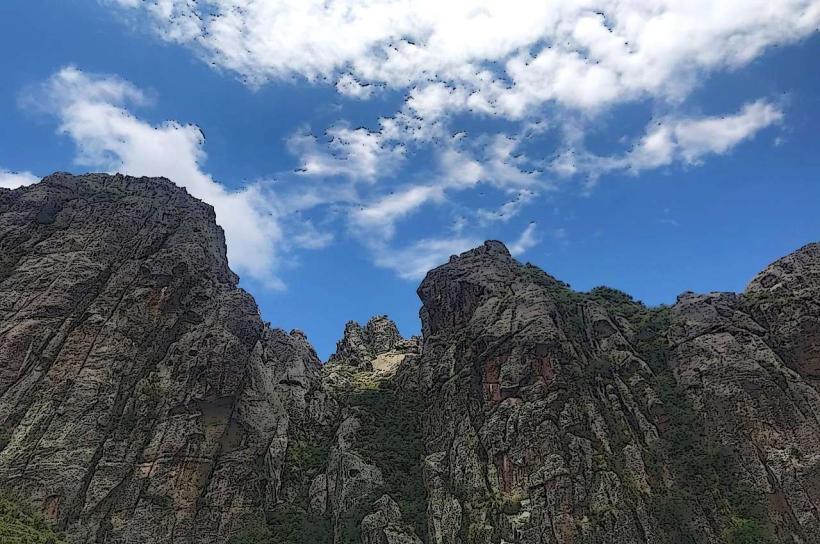
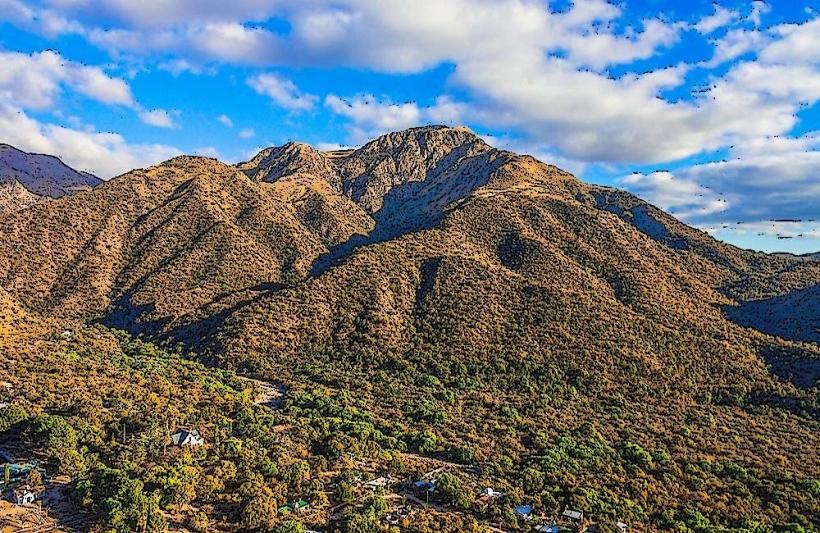
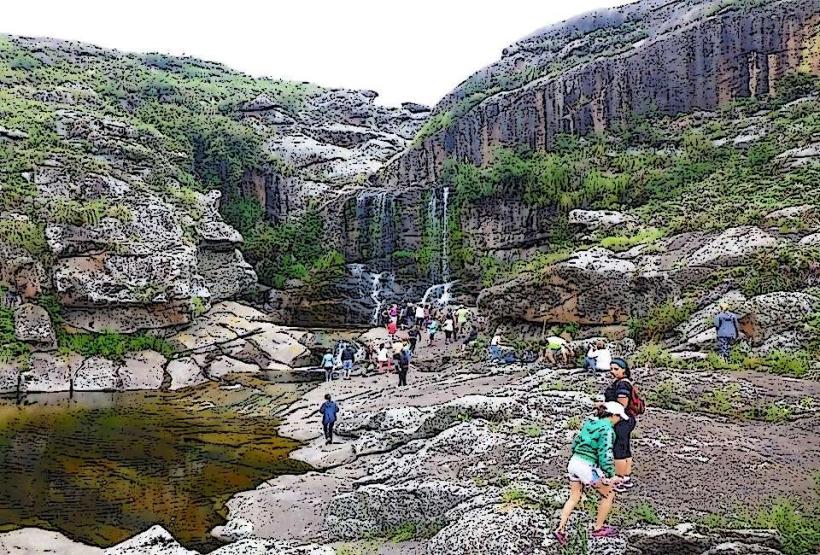
The site features a series of rock shelters and overhangs formed from sedimentary rock. The rock faces exhibit varied coloration, primarily ochre and grey, with visible stratification. Vegetation in the immediate vicinity consists of low-lying scrub and hardy grasses adapted to arid conditions.
Location & Access Logistics
Access is via Provincial Route E-55 (Camino a La Calera). From Cordoba City center, travel approximately 30 kilometers north on E-55. Turn west onto an unpaved access road marked for "Cueva de Los Condores." This road is approximately 10 kilometers long and can be rough; a 4x4 vehicle is recommended, especially after rain. Parking is available at the base of the main rock formations. No public transport directly serves the site.
Historical & Ecological Origin
The rock formations are the result of millions of years of erosion acting upon sedimentary layers deposited during the Paleozoic era. The shelters were utilized by indigenous peoples for millennia, evidenced by rock art found within some of the caves. The name "Cueva de Los Condores" (Condor Caves) refers to the historical presence of Andean condors in the region, though sightings are now infrequent.
Key Highlights & Activities
Exploration of the rock shelters and overhangs is the primary activity. Visitors can observe the geological strata and search for remnants of ancient rock art. Hiking trails of varying difficulty are present in the surrounding hills, offering views of the valley. Photography of the rock formations and landscape is possible.
Infrastructure & Amenities
No permanent infrastructure or amenities are present at Cueva de Los Condores. Visitors should carry all necessary water and food. Restroom facilities are unavailable. Cell phone signal is intermittent to non-existent.
Best Time to Visit
The optimal time for visiting is during the dry season, from April to October. Mornings between 9:00 AM and 11:00 AM offer favorable lighting for photography due to the angle of the sun. Midday temperatures can be high, with limited shade.
Facts & Legends
Local folklore suggests that the caves were once used as a refuge by outlaws during colonial times, though historical verification is limited. A specific tip for visitors is to look for small, naturally formed pools of water after rainfall, which can attract local wildlife.
Nearby Landmarks
- Reserva Natural Vaquerías (15km Southwest)
- Dique La Quebrada (18km Northeast)
- Cerro Colorado (45km North)
- Parque Nacional Quebrada del Condorito (60km West)