Information
Landmark: Curu Wildlife RefugeCity: Puntarenas
Country: Costa Rica
Continent: North America
Curu Wildlife Refuge, Puntarenas, Costa Rica, North America
Curu Wildlife Refuge is a protected area located on the southern Nicoya Peninsula in Puntarenas Province, Costa Rica.
This refuge encompasses a diverse range of habitats, including tropical dry forest, mangrove swamps, and coastal areas.
Visual Characteristics
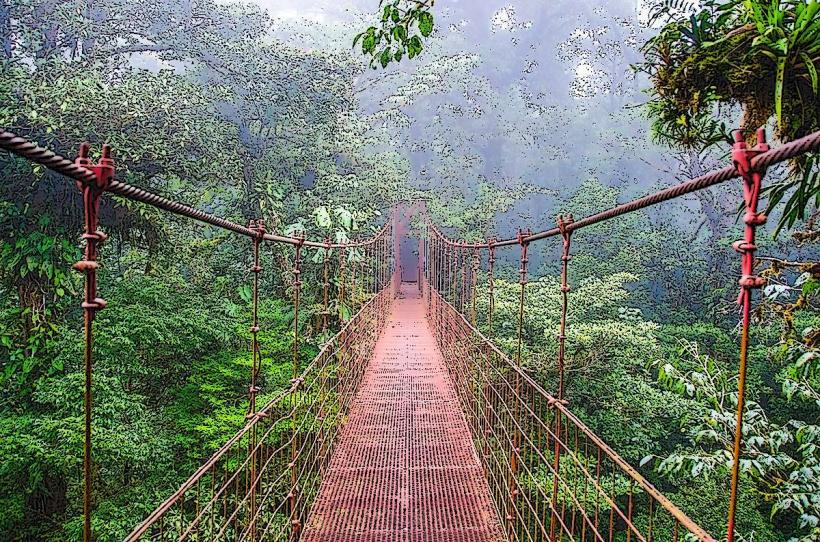
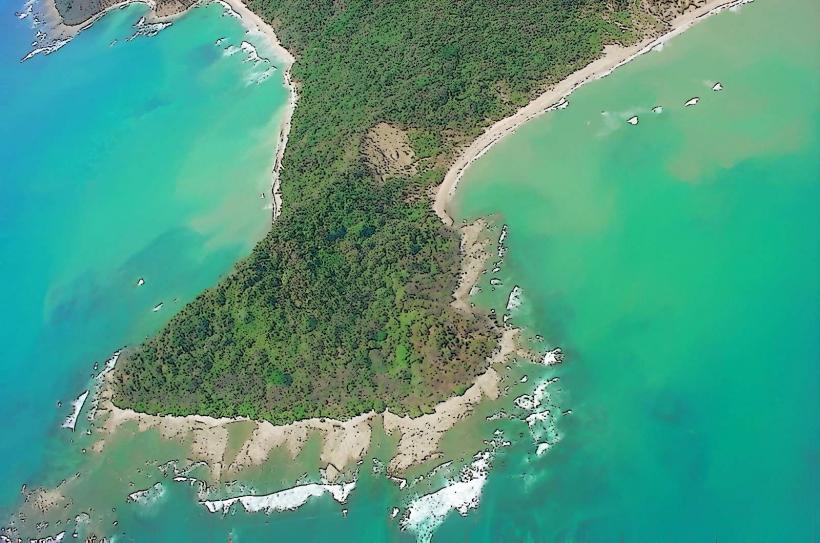
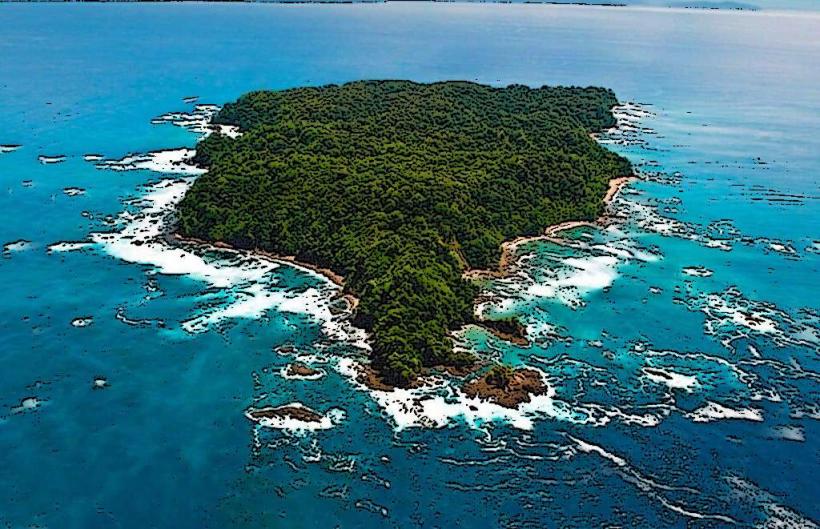
The refuge features dense tropical dry forest with a canopy reaching approximately 20-30 meters. Coastal areas consist of sandy beaches and rocky outcrops. Mangrove sections are characterized by dense prop roots and brackish water channels. The Pacific Ocean bordering the refuge is typically a deep blue to greenish hue.
Location & Access Logistics
Curu Wildlife Refuge is situated approximately 15 kilometers west of Paquera. Access is via Route 160, a paved road. From San José, the drive is approximately 4-5 hours, often involving a ferry crossing from Puntarenas to Paquera. Parking is available at the refuge entrance. Public transport options are limited; local buses run between Paquera and nearby communities, but a private vehicle or taxi is recommended for direct access.
Historical & Ecological Origin
Curu was established as a private reserve in 1974 by the Descours family, who managed it for conservation and sustainable use. It was later designated a wildlife refuge by the Costa Rican government. Ecologically, it represents a transition zone between the dry forests of Guanacaste and the more humid forests further south, supporting a high biodiversity.
Key Highlights & Activities
Hiking is permitted on designated trails, such as the trail to the beach or the forest loop. Wildlife observation is a primary activity; species commonly sighted include white-tailed deer, monkeys (howler and capuchin), iguanas, and numerous bird species. Swimming is possible in designated areas along the coast. Photography of flora and fauna is encouraged.
Infrastructure & Amenities
Basic restroom facilities are available near the entrance. Limited shade is provided by the forest canopy and a few designated picnic areas. Cell phone signal (4G) is intermittent within the refuge, particularly in denser forest areas. No food vendors are located within the refuge; visitors should bring their own provisions.
Best Time to Visit
The dry season, from December to April, offers the most favorable weather conditions with less rainfall. The best time of day for wildlife viewing is typically early morning (6:00 AM - 9:00 AM) and late afternoon (3:00 PM - 5:00 PM) when animals are most active. High tide can affect access to certain beach areas.
Facts & Legends
Curu is one of the few remaining large tracts of tropical dry forest on the Nicoya Peninsula, making it a critical habitat for species that have lost ground elsewhere. A specific tip for visitors is to wear long sleeves and pants, especially during the wetter months, to protect against insects and thorny vegetation.
Nearby Landmarks
- Curú Beach (0.2km West)
- Playa Tambor (8km Southwest)
- Montezuma Waterfall (12km Northwest)
- Cabo Blanco Absolute Natural Reserve (15km Northwest)
- Paquera Town (15km East)