Information
Landmark: Isla TortugaCity: Puntarenas
Country: Costa Rica
Continent: North America
Isla Tortuga, Puntarenas, Costa Rica, North America
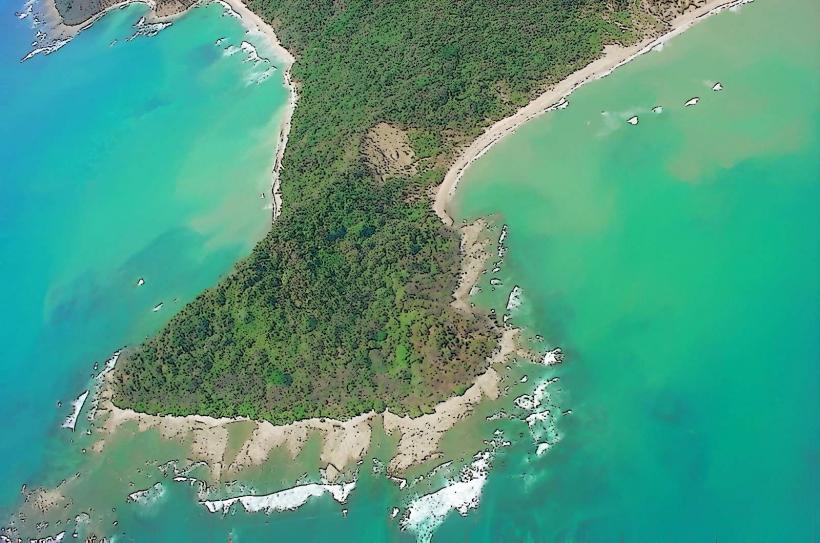
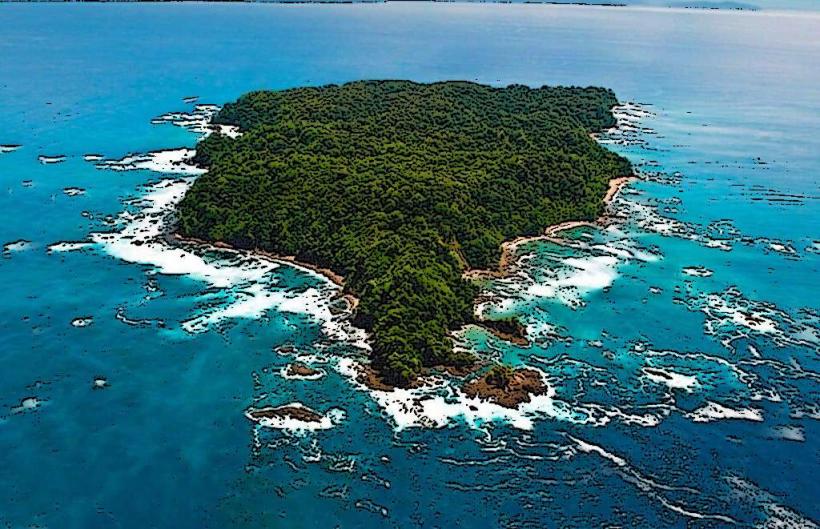
Isla Tortuga is a protected island located off the coast of Puntarenas, Costa Rica. It is situated in the Gulf of Nicoya.
Visual Characteristics
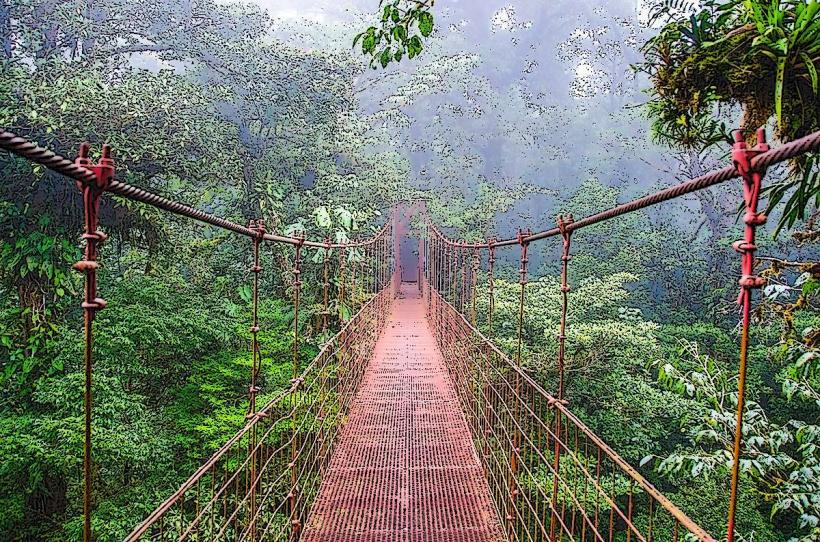
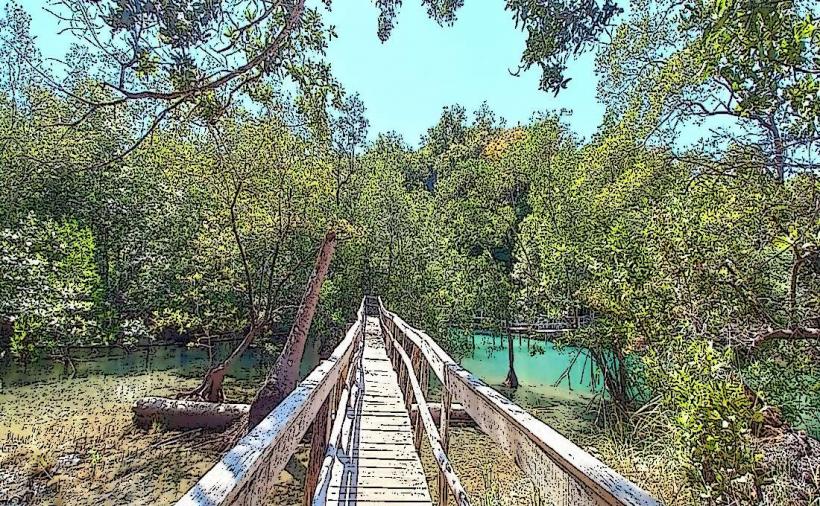
The island features two distinct landmasses separated by a narrow channel. The western island is characterized by dense tropical dry forest vegetation. The eastern island is primarily composed of volcanic rock formations and sandy beaches. The surrounding waters are typically clear, with visibility varying based on tidal conditions and sediment runoff.
Location & Access Logistics
Isla Tortuga is approximately 15 kilometers (9.3 miles) southwest of Puntarenas. Access is exclusively by boat. Private boat charters and scheduled tour operators depart from the main pier in Puntarenas. The journey typically takes 45 to 60 minutes. There is no vehicle access to the island, and no parking facilities are available on Isla Tortuga itself. Visitors typically park in designated areas near the departure points in Puntarenas.
Historical & Ecological Origin
Isla Tortuga is a volcanic island, formed by geological processes millions of years ago. Ecologically, it is classified as a tropical dry forest ecosystem, supporting a variety of plant and animal species adapted to seasonal rainfall. The island is part of a protected marine and terrestrial zone managed by the Costa Rican Ministry of Environment and Energy (MINAE).
Key Highlights & Activities
Activities include snorkeling and diving in the surrounding coral reefs, particularly in the channel between the two islands. Hiking trails are available on the western island, leading to elevated viewpoints. Kayaking and paddleboarding are permitted in the calm waters of the bay. Wildlife observation, focusing on bird species and marine life, is also a primary activity.
Infrastructure & Amenities
Limited infrastructure exists on Isla Tortuga. Basic restroom facilities are available at the main landing point on the western island. Shade is provided by natural tree cover and a few small palapa-style shelters. Cell phone signal is intermittent and unreliable. Food vendors are not present on the island; visitors are advised to bring their own provisions or book tours that include meals.
Best Time to Visit
The dry season, from December to April, offers the most favorable weather conditions with minimal rainfall. The best time of day for photography is generally in the morning or late afternoon when the sun angle is lower, reducing harsh shadows. Snorkeling and diving conditions are optimal during slack tide, when water movement is minimal.
Facts & Legends
The island's name, "Tortuga," translates to "Turtle" in Spanish. While historically known for sea turtle nesting, current populations are low. A local legend suggests that pirates used the island as a hideout, though concrete historical evidence is scarce.
Nearby Landmarks
- Isla Cedros (3km Northwest)
- Isla San Lucas (8km West)
- Puntarenas City Center (15km Southwest)
- Playa Doña Ana (12km Southwest)