Landmark: Fishlake National Forest
City: Richfield
Country: USA Utah
Continent: North America
Fishlake National Forest, Richfield, USA Utah, North America
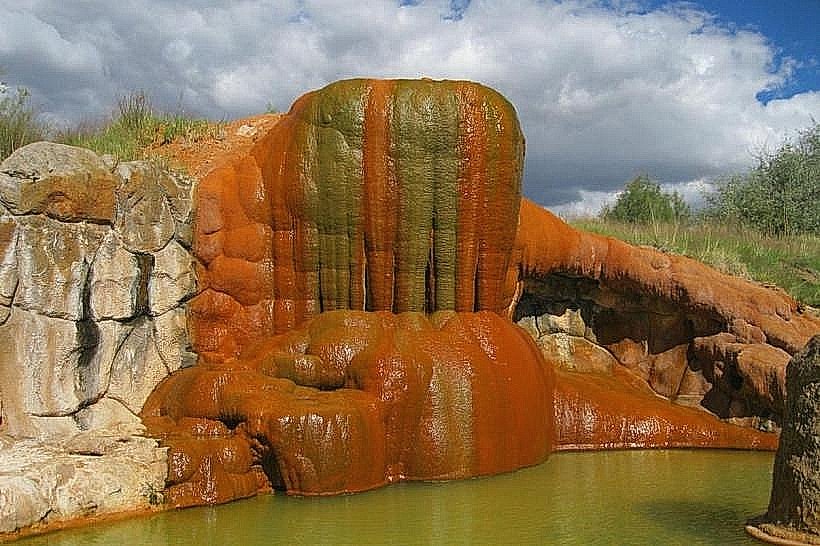
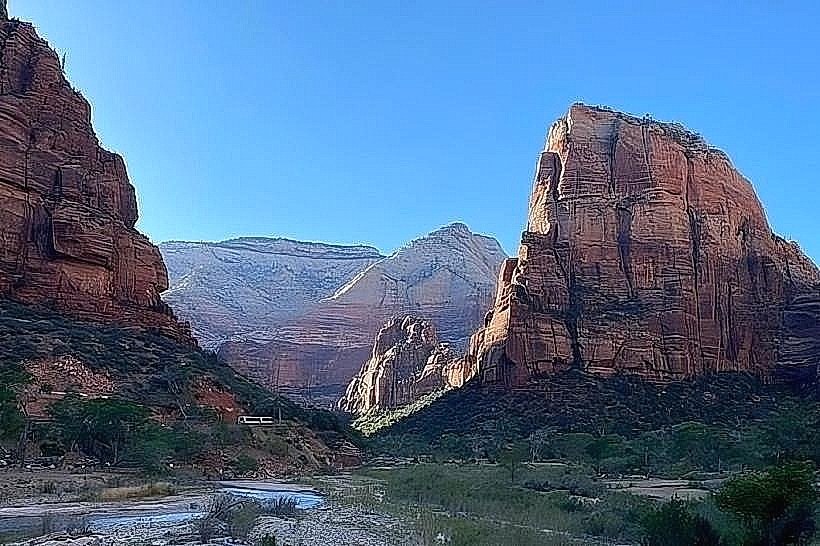
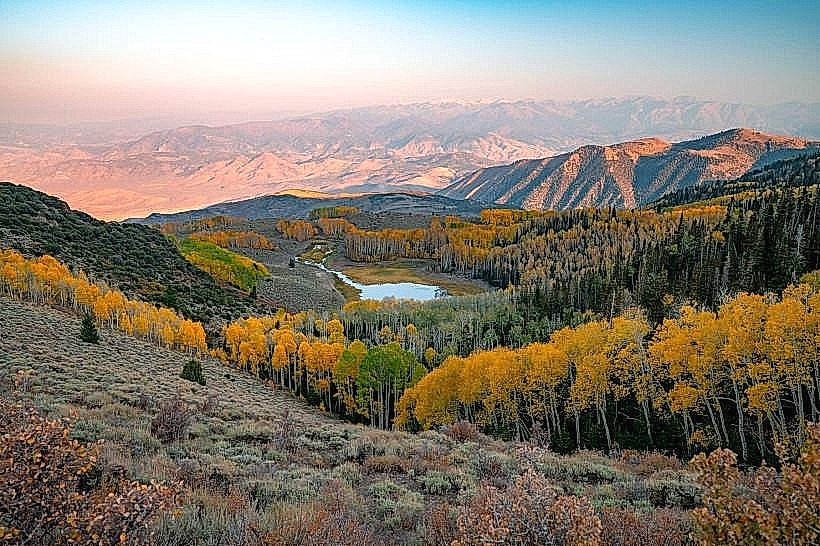
Fishlake National Forest is a protected area located in central Utah, USA. It encompasses a diverse range of ecosystems, from high mountain peaks to arid desert landscapes.
Visual Characteristics
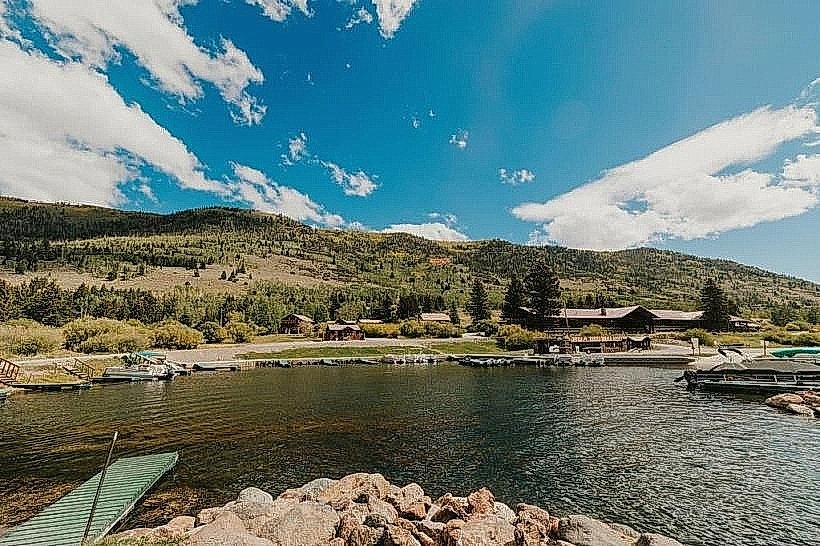
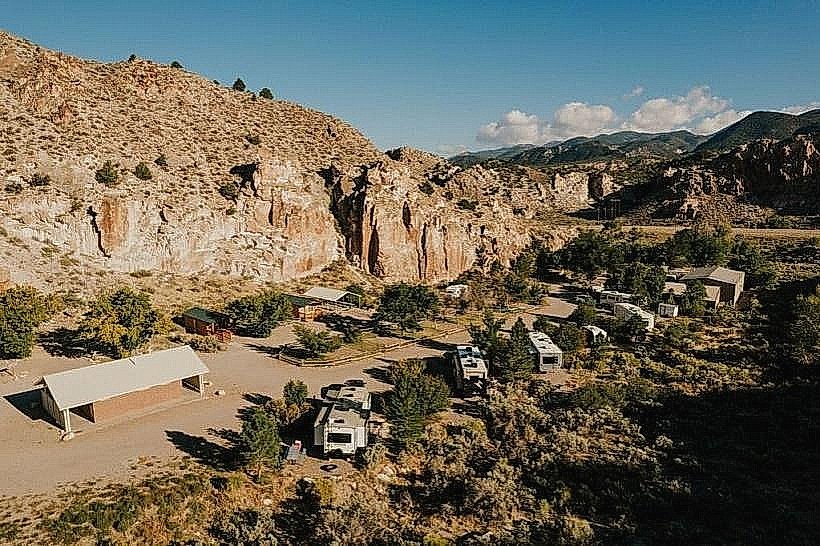
The forest features a significant portion of Fish Lake, a large, high-elevation lake with clear, deep blue water. Surrounding the lake are coniferous forests dominated by Engelmann spruce and subalpine fir, transitioning to aspen groves at lower elevations. Mountainous terrain includes granite peaks and rocky outcrops. The southern sections of the forest exhibit more arid conditions with sagebrush and juniper vegetation.
Location & Access Logistics
Fishlake National Forest is situated approximately 20 miles east of Richfield, Utah. Access is primarily via State Route 24, which bisects the forest. From Richfield, take I-70 East to Exit 25, then head south on SR-24. The drive from Richfield to the lake is approximately 30 miles. Several gravel forest roads provide access to different areas within the forest. Parking is available at designated trailheads and campgrounds, with limited capacity during peak seasons. No public transport services operate directly within the forest.
Historical & Ecological Origin
Fishlake National Forest was established as a National Forest on July 1, 1907. The area's geological history is characterized by volcanic activity and glacial erosion, which shaped the mountainous topography and the formation of Fish Lake itself. The lake is a natural freshwater lake, a remnant of past glacial periods. The forest supports a variety of plant and animal communities adapted to its varied elevations and climates.
Key Highlights & Activities
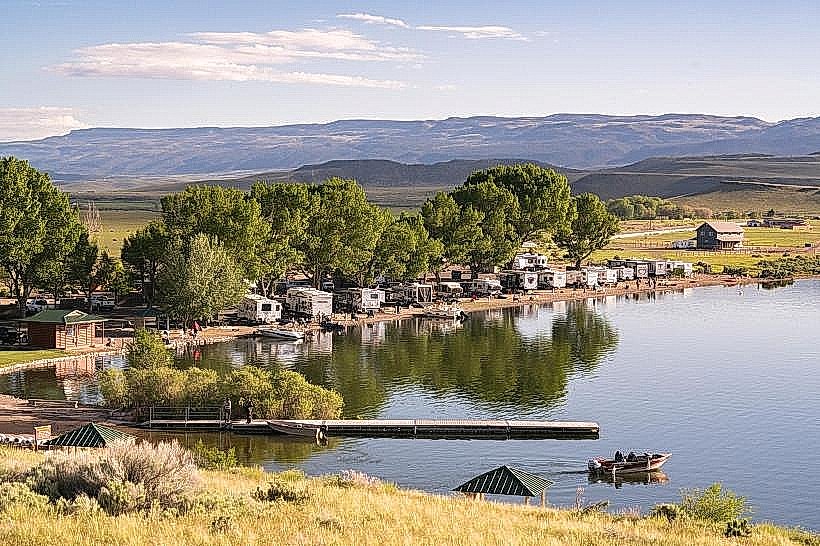
Activities include fishing for rainbow trout and kokanee salmon in Fish Lake. Hiking trails range from short nature walks to multi-day backcountry treks, such as the Bowery Haven Trail and the Fremont Indian State Park Trail. Boating and kayaking are permitted on Fish Lake. Wildlife viewing opportunities exist for deer, elk, and various bird species. During winter, cross-country skiing and snowshoeing are possible in designated areas.
Infrastructure & Amenities
Campgrounds with basic facilities, including vault toilets and potable water, are available at Fish Lake and other locations. Picnic areas are also provided. Cell phone signal is intermittent and generally unavailable in remote areas of the forest. Limited food services and general stores are located near Fish Lake and within nearby towns like Loa.
Best Time to Visit
The best months for visiting Fishlake National Forest are July through September for optimal weather conditions and accessibility. Fish Lake is typically ice-free from late May to November. For photography, early morning and late afternoon offer favorable lighting conditions, especially around the lake. High tide is not a relevant factor for this inland forest location.
Facts & Legends
Fish Lake is known for its exceptionally large kokanee salmon, some of which can reach lengths of over 20 inches. A local legend speaks of a large, unidentified creature occasionally sighted in the deeper parts of Fish Lake, though no scientific evidence supports these claims.
Nearby Landmarks
- Fremont Indian State Park (10km Southwest)
- Capitol Reef National Park (approximately 60km East)
- Dixie National Forest (adjacent to the south)
- Skyline Drive (runs through the forest)