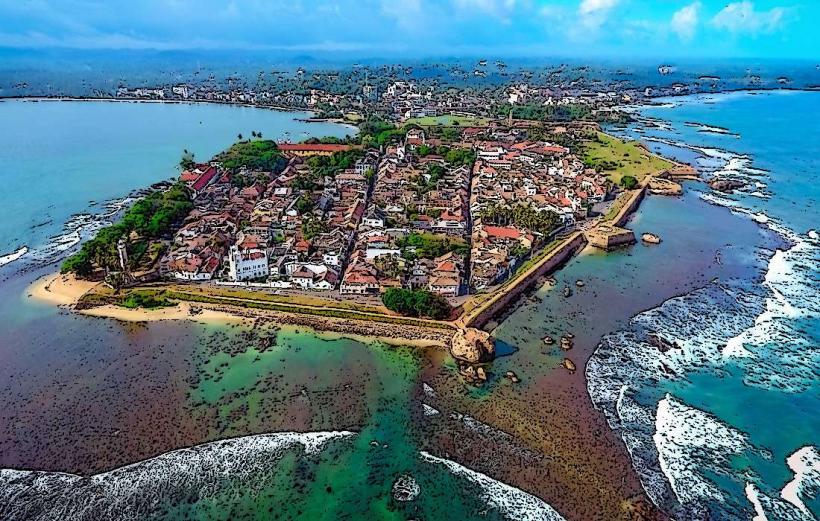
Landmark: Galle Fort
City: Galle
Country: Sri Lanka
Continent: Asia
Galle Fort, Galle, Sri Lanka, Asia
Galle Fort is a historic fortified city located on the southern coast of Sri Lanka, within the city of Galle.
It is a UNESCO World Heritage Site, recognized for its Dutch colonial architecture and well-preserved ramparts.
Visual Characteristics
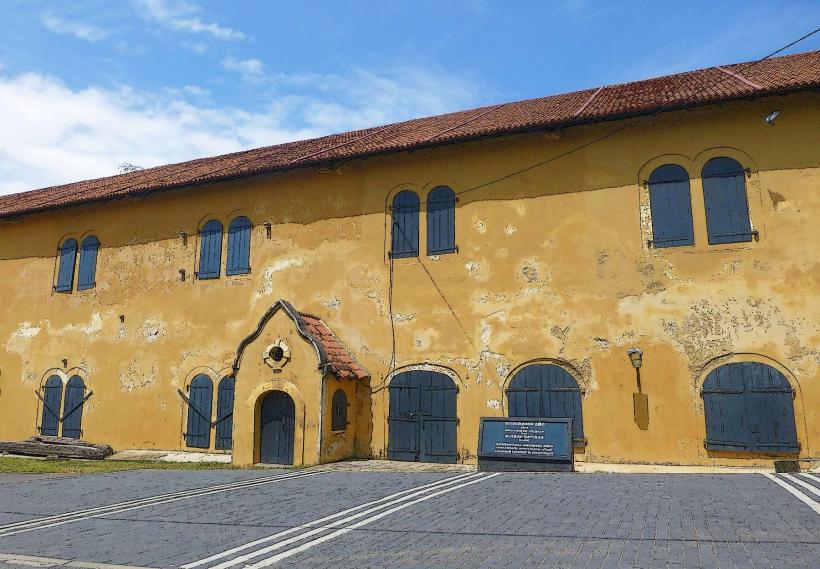
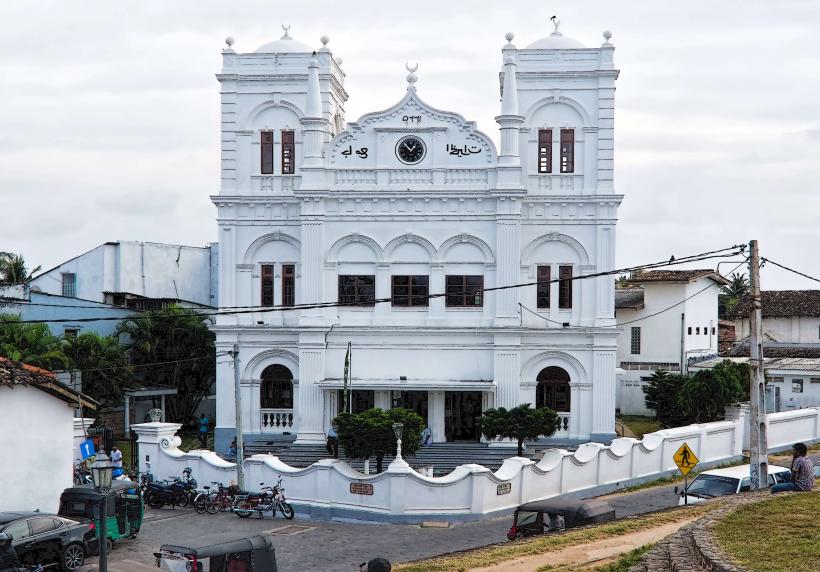
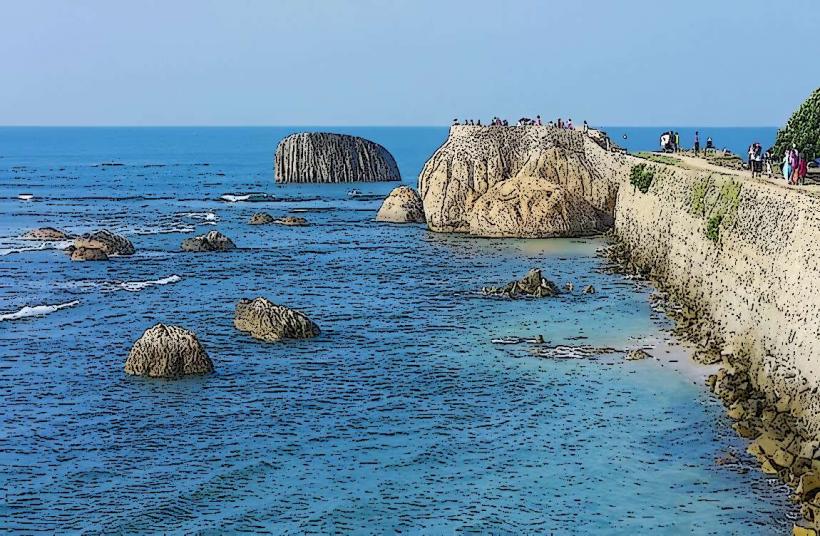
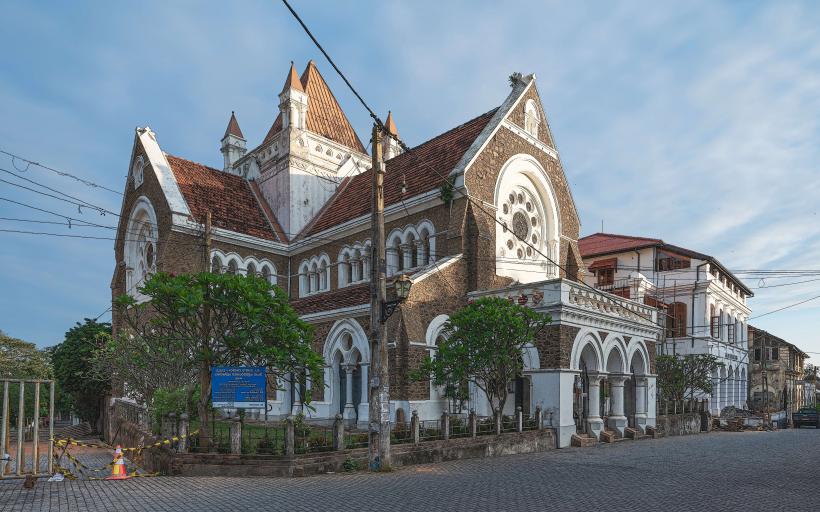
The fort is constructed primarily from granite and coral stone. Its ramparts, which encircle the peninsula, are substantial, featuring bastions and gateways. Within the fort, colonial-era buildings exhibit Dutch architectural styles, characterized by Dutch gabled roofs, verandas, and thick walls. Colors range from weathered stone to whitewashed facades.
Location & Access Logistics
Galle Fort is situated at the southwestern tip of Galle city. It is approximately 115 kilometers south of Colombo. Access is via the Southern Expressway (E01) to Galle, then following signs for Galle Fort. Parking is available in designated areas outside the main gates and within the fort, though spaces can be limited during peak hours. Public bus routes terminate at Galle Central Bus Station, a short walk or tuk-tuk ride from the fort. The nearest train station is Galle Railway Station, also a short distance away.
Historical & Ecological Origin
The fort was originally built by the Portuguese in the late 16th century and significantly expanded and fortified by the Dutch in the 17th century after they took control. Its primary purpose was as a trading post and defensive stronghold for the Dutch East India Company. The site itself is a peninsula, strategically positioned for maritime trade.
Key Highlights & Activities
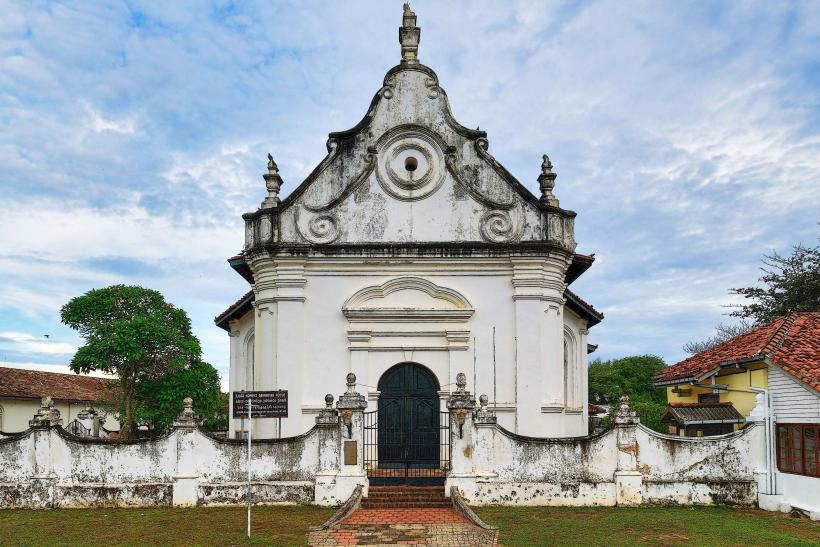
Walk the ramparts for views of the Indian Ocean. Explore the narrow streets lined with colonial buildings. Visit the Dutch Reformed Church, the Galle Lighthouse, and the Maritime Archaeology Museum. Browse the independent shops and art galleries. Observe the daily life within the fortified city.
Infrastructure & Amenities
Restrooms are available at various points within the fort, particularly near public areas and cafes. Shade is provided by trees along some streets and by the architecture of the buildings. Cell phone signal (4G/5G) is generally good within the fort. Numerous food vendors, cafes, and restaurants are located within the fort's perimeter.
Best Time to Visit
The best time of day for photography is early morning or late afternoon when the light is softer. The dry season, from December to March, offers the most favorable weather conditions. There are no specific tide requirements for visiting the fort itself.
Facts & Legends
A unique historical detail is the presence of a Dutch-era clock tower, still functional, located on the main rampart. Local lore suggests that the fort's foundations were laid using coral stones quarried from the seabed, contributing to its unique construction.
Nearby Landmarks
- Galle International Stadium (0.3km Northwest)
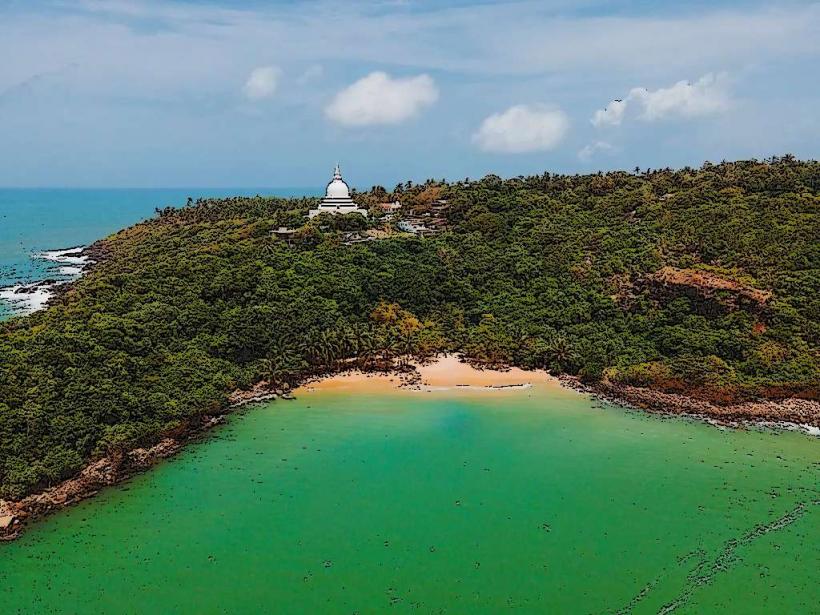
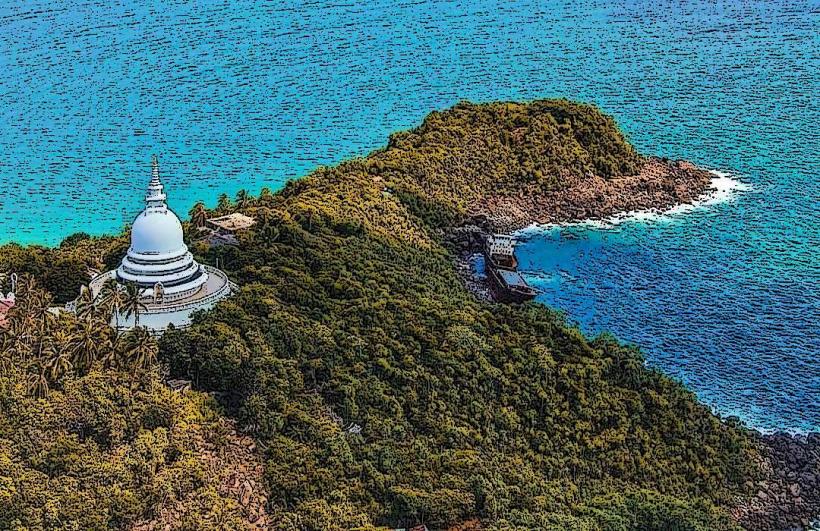
- Japanese Peace Pagoda (1.5km Southeast)
- Unawatuna Beach (4.0km East)
- Koggala Lake (8.0km Southeast)