Information
Landmark: Jungle BeachCity: Galle
Country: Sri Lanka
Continent: Asia
Jungle Beach, Galle, Sri Lanka, Asia
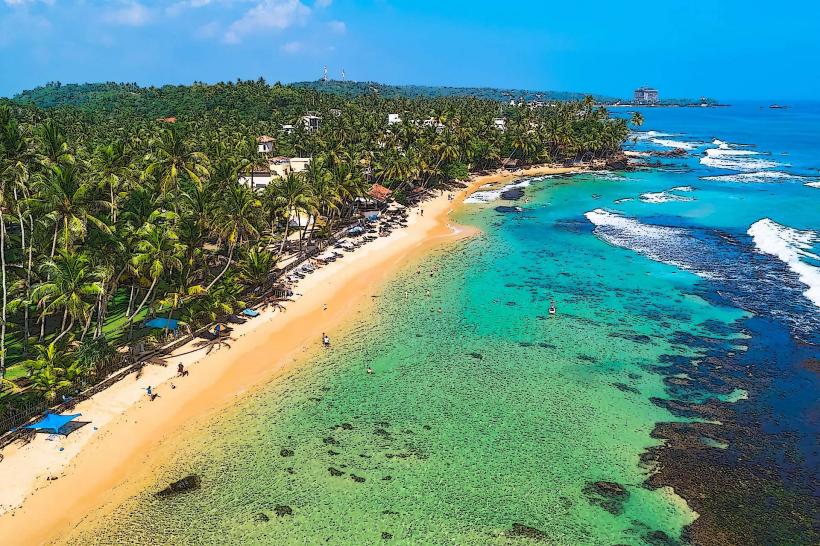
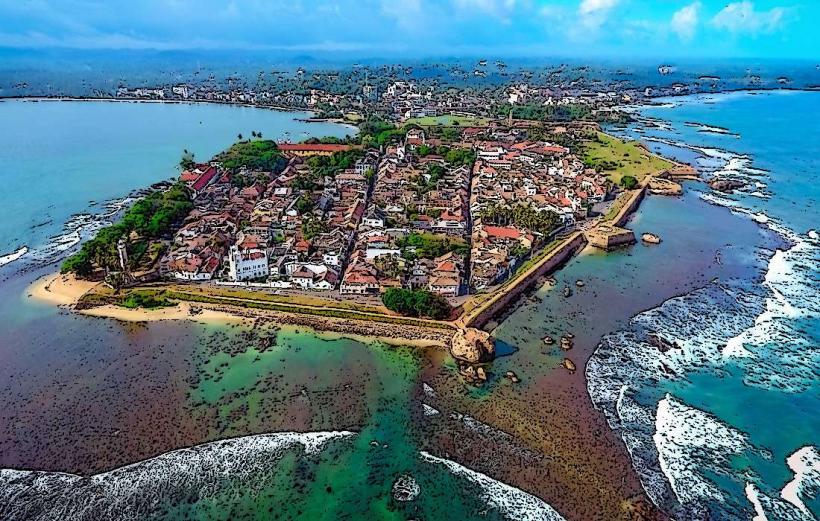
Jungle Beach is a coastal area situated south of the historic Galle-fort_galle" class="underline">Galle Fort in Sri Lanka.
It is a small, crescent-shaped bay characterized by its dense surrounding vegetation and clear waters.
Visual Characteristics
The beach features fine, light-colored sand. The water exhibits a gradient from pale turquoise near the shore to a deeper blue further out. Rocky outcrops are present at either end of the bay. The vegetation consists of tropical trees and shrubs, including coconut palms, which extend close to the waterline.
Location & Access Logistics
Jungle Beach is located approximately 4 kilometers south of Galle Fort. Access is via the Unawatuna Road (B207). Turn off onto a smaller, unpaved track approximately 1 kilometer past the main Unawatuna Beach area. This track leads to a small, informal parking area. From the parking area, a 5-10 minute walk along a cleared path through the vegetation is required to reach the beach. Public transport to Unawatuna is available via bus routes from Galle Fort (e.g., Bus 301). From Unawatuna, a tuk-tuk or a walk of approximately 1.5 kilometers is necessary.
Historical & Ecological Origin
Jungle Beach is a natural coastal formation. Its ecological classification is a small tropical bay, shaped by wave action and sediment deposition over geological time. The surrounding vegetation is characteristic of the southwestern coastal belt of Sri Lanka.
Key Highlights & Activities
Swimming is possible in the calm waters. Snorkeling can be undertaken around the rocky areas, particularly on the eastern side. The beach is suitable for sunbathing. Limited exploration of the surrounding coastal paths is available.
Infrastructure & Amenities
There are no permanent restroom facilities or designated shade structures directly on the beach. Small, temporary food and drink vendors may operate during peak tourist seasons. Cell phone signal (4G) is generally available.
Best Time to Visit
The best time of day for photography is generally in the morning or late afternoon when the sun angle is lower, reducing harsh shadows. The dry season, from December to April, offers the most favorable weather conditions with minimal rainfall and calmer seas. High tide can reduce the visible sand area.
Facts & Legends
Local lore suggests that the beach was historically used by fishermen for temporary shelter. A specific tip for visitors is to wear sturdy footwear for the walk from the parking area, as the path can be uneven.
Nearby Landmarks
- Galle Fort (4km North)
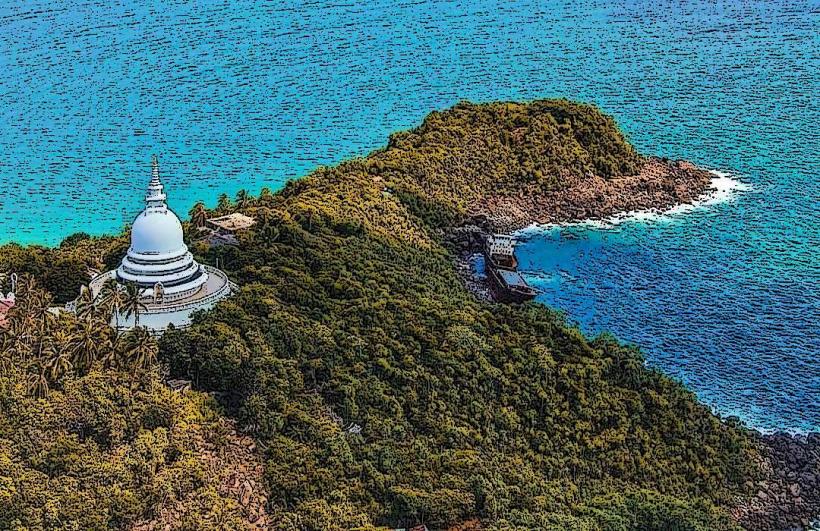
- Japanese Peace Pagoda (1.5km East)
- Unawatuna Beach (1km Northeast)
- Rumassala Sanctuary (1.2km East)