Landmark: Gbele Game Reserve
City: Wa
Country: Ghana
Continent: Africa
Gbele Game Reserve, Wa, Ghana, Africa
Gbele Game Reserve is a protected wildlife area located in the Sissala West, Sissala East, and Daffiama Bussie Issa districts of the Upper West Region, Ghana. The reserve is situated approximately 60 kilometers north of the regional capital, Wa, and serves as a critical habitat for indigenous savanna fauna.
Visual Characteristics
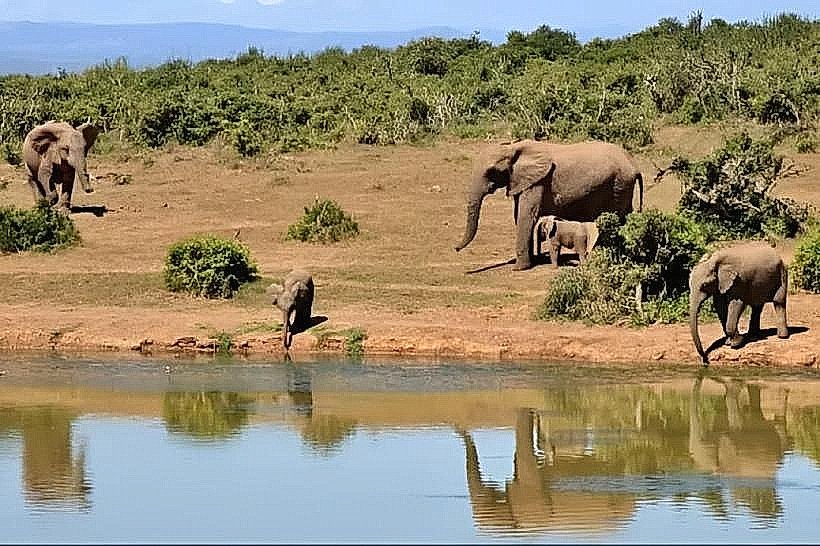
The reserve is characterized by open Guinea savanna woodland featuring tall elephant grass and fire-resistant tree species such as the shea, baobab, and dawadawa. The terrain is predominantly flat with seasonal streams and waterholes that attract wildlife. During the dry season, the landscape transitions to a palette of ochre and gold, while the rainy season brings high-density green foliage and increased riverine thickets.
Location & Access Logistics
Access is via the Wa-Tumu road, with a turn-off leading to the park headquarters near the village of Gbele. The route is primarily unpaved and requires a 4x4 vehicle, particularly during the rainy season when road conditions deteriorate. There is no scheduled public transport directly into the reserve; visitors typically hire private taxis or utilize personal vehicles from Wa or Tumu. A designated dirt parking area is located at the ranger station.
Historical & Ecological Origin
Gbele Game Reserve was gazetted in 1975 to preserve the unique savanna ecosystem and provide a sanctuary for migratory species. It is geologically part of the crystalline basement complex of northern Ghana. The reserve acts as a vital corridor for elephants migrating between the Mole National Park in Ghana and the Nazinga Game Ranch in Burkina Faso.
Key Highlights & Activities
Guided game drives and walking safaris are the primary activities, offering opportunities to sight roan antelope, hartebeest, waterbuck, and various primate species. Birdwatching is a significant highlight, as the reserve hosts over 190 bird species, including the rare yellow-billed oxpecker. Educational tours focused on savanna ecology and conservation can be arranged with the resident wildlife officers.
Infrastructure & Amenities
The facility offers basic infrastructure, including a ranger post and administrative office. There are limited restrooms and no commercial food vendors on-site; visitors must carry their own food and water supplies. Shade is available under the thick canopy of larger trees near the camp area, but the open savanna is exposed. Cellular signal is weak and intermittent across the reserve.
Best Time to Visit
The optimal window for wildlife viewing is during the dry season from December to April, when animals congregate around the remaining water sources. Photography is best during the "golden hours" of 06:30–08:30 and 16:30–18:00. During the peak rainy season (July–September), the high grass and dense vegetation make animal sightings more challenging.
Facts & Legends
A verified historical oddity is the reserve's status as one of the few places in Ghana where the population of the large roan antelope is consistently stable. Local tradition among the Sissala people holds the land in high spiritual regard, with specific groves inside the reserve boundaries designated as sacred ancestral sites where hunting has been taboo for generations.
Nearby Landmarks
Gbele Village: 1.5km South
Kojoperi Community: 12.0km Southwest
Tumu Central: 35.0km Northeast
Mole National Park Boundary: 45.0km South