Landmark: Wa Naa’s Palace
City: Wa
Country: Ghana
Continent: Africa
Wa Naa’s Palace, Wa, Ghana, Africa
Wa Naa’s Palace is the ancestral seat of the Paramount Chief of the Wala traditional area, located in the center of Wa, the capital of the Upper West Region of Ghana. The structure serves as the administrative and spiritual headquarters for the Waala people within the municipal district.
Visual Characteristics
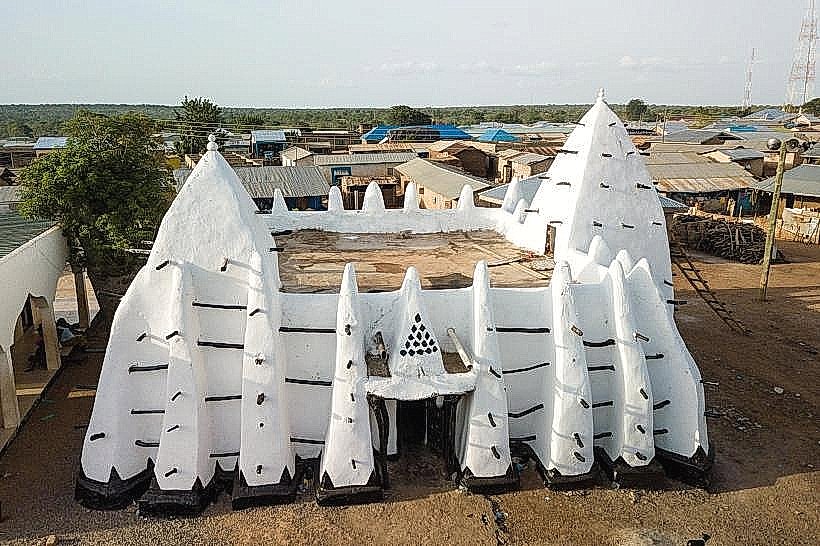
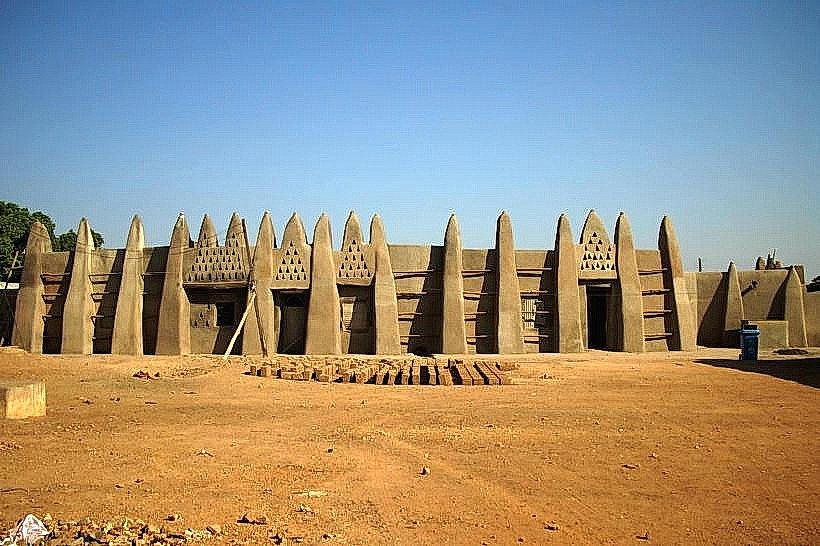
The palace is a primary example of Sudano-Sahelian architecture, featuring load-bearing mud-brick walls coated in white-washed earthen plaster. The exterior is characterized by rhythmic vertical buttresses that extend above the roofline as pinnacle-like projections. The windows are small and recessed, and the flat roof is supported by heavy timber beams of shea or mahogany, often with decorative wooden drainage spouts protruding from the parapets.
Location & Access Logistics
The site is situated at the intersection of the Wa-Kumasi Road and the central market street in the heart of Wa. It is accessible via local taxis and motorized tricycles (Pragyia) from any point in the municipality, with a major drop-off point at the Wa Central Market. A paved public square is located directly in front of the palace entrance for visitor parking and ceremonial gatherings.
Historical & Ecological Origin
The current structural form dates to the 19th century, though the site has been the seat of power since the 17th century following the migration of the Waala people. The architectural style originated in the ancient Mali Empire and was adapted to the arid climate of the Guinea Savanna, utilizing local clay, cow dung, and natural fibers to create a thermally regulated interior environment.
Key Highlights & Activities
Guided tours of the palace exterior and the public courtyards are available through the palace administration. Visitors can observe the graves of former Wa Naas located in the forecourt, marked by traditional earthen mounds. The Damba Festival, held annually, features horseback riding displays and traditional drumming and dancing in the palace square.
Infrastructure & Amenities
The palace grounds include a formal reception area for visitors and basic restroom facilities in the auxiliary administrative wings. Shade is provided by the deep recesses of the palace gates and several mature neem trees in the surrounding courtyard. 4G cellular signal is strong throughout the central district, and numerous restaurants and banks are located within a 300-meter radius.
Best Time to Visit
The best time for photography is 08:00 to 10:00 when the morning sun provides high contrast against the white-washed buttresses. The dry season (November to March) is preferred as the earthen plaster is maintained and brightened during these months. Monday to Friday (09:00–16:00) is the standard window for guided tours, though the exterior is visible at all times.
Facts & Legends
A verified historical oddity is the use of the "boto" tree extract in the plaster, which acts as a natural water repellent to prevent the mud walls from eroding during heavy rains. Local tradition holds that the palace buttresses represent the strength of the sub-chiefs supporting the central authority of the Wa Naa, with the number of projections corresponding to specific territorial divisions.
Nearby Landmarks
Wa Central Mosque: 0.3km North
Wa Central Market: 0.2km East
Upper West Regional Museum: 1.2km West
Wa Methodist Hospital: 0.9km Southwest