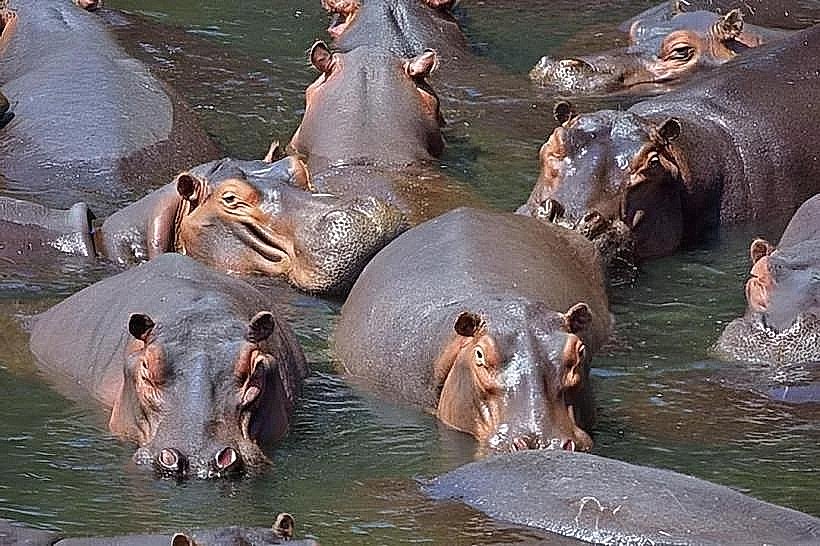
Landmark: Wechiau Hippo Sanctuary
City: Wa
Country: Ghana
Continent: Africa
Wechiau Hippo Sanctuary, Wa, Ghana, Africa
Wechiau Community Hippo Sanctuary is a community-managed conservation area located along the Black Volta River in the Wa West District of the Upper West Region, Ghana. The sanctuary encompasses a 40-kilometer stretch of the riverbank and serves as a protected habitat for one of the two remaining hippopotamus populations in the country.
Visual Characteristics
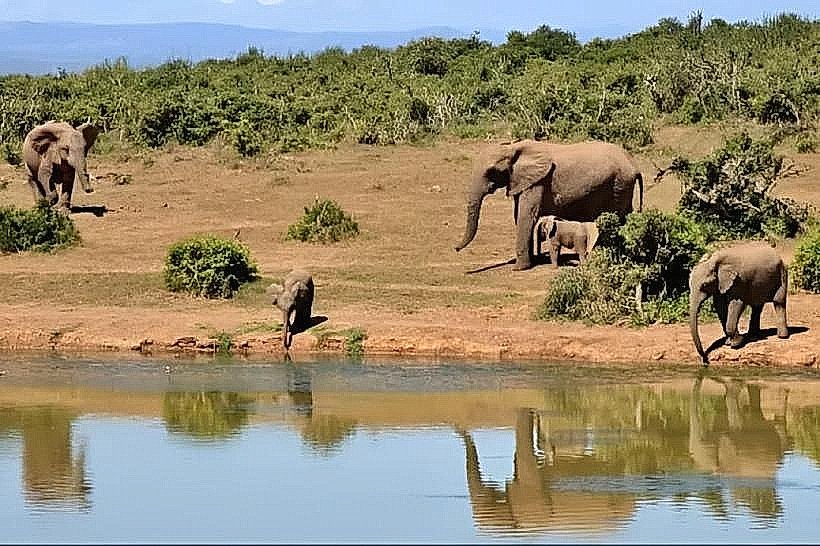
The sanctuary features a riverine ecosystem with thick gallery forests, reed beds, and seasonal floodplains. The Black Volta River maintains a slow-moving, brownish-grey flow during the rainy season, while the surrounding Guinea savanna consists of elephant grass and baobab trees. Natural rock formations along the riverbanks provide elevated vantage points for observing the aquatic wildlife and the expansive river valley.
Location & Access Logistics
Access is via the Wa-Wechiau road, a 50-kilometer route heading southwest from the regional capital, Wa. The road is primarily unpaved and can be traversed by rugged private vehicles, hired taxis, or local tricycles (Pragyia). Visitors must report to the Wechiau Community Hippo Sanctuary welcome center in the town of Wechiau to secure a guide and pay entry fees before proceeding to the river camps.
Historical & Ecological Origin
The sanctuary was established in 1998 through a collaboration between local chiefs, the Nature Conservation Research Centre (NCRC), and the Calgary Zoo. It was created to protect the Hippopotamus amphibius population from poaching and habitat loss while providing sustainable income for the 17 surrounding indigenous communities. The area is geologically part of the Birimian system, characterized by ancient metamorphic rocks.
Key Highlights & Activities
Boat safaris in traditional hand-carved dugout canoes are the primary method for viewing hippos within the river channels. The sanctuary features a specialized "Hippo Hide," an elevated wooden platform built into a large tree for safe, long-term observation. Guided nature walks and birdwatching tours are available, with over 200 avian species recorded in the riverine and savanna habitats.
Infrastructure & Amenities
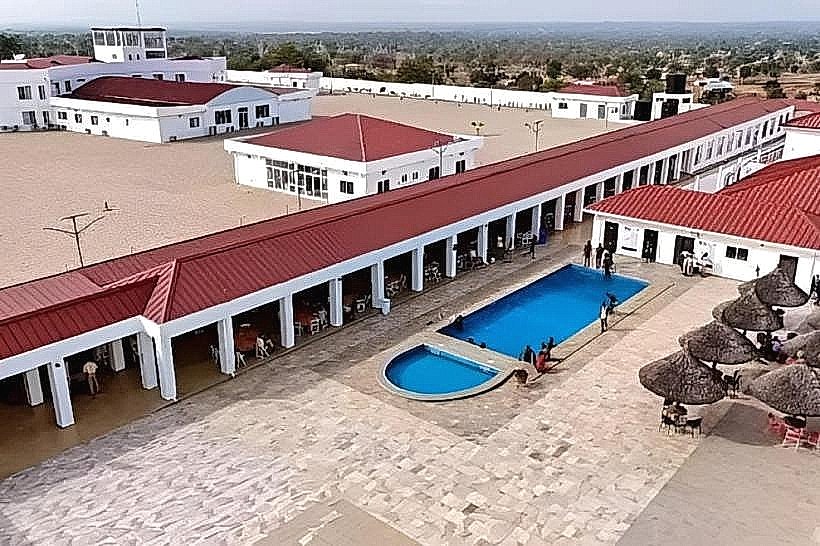
The sanctuary provides basic lodging at the Talawona Lodge, which consists of traditional-style huts with mosquito nets and shared facilities. Shade is abundant in the riverine forest but minimal during the boat transits. Cellular signal (4G) is intermittent, often requiring elevation or proximity to the Wechiau township for stability; basic food and beverage services are managed by the community at the lodge.
Best Time to Visit
The dry season from December to March is the optimal time for hippo sightings as lower water levels confine the animals to specific deep-water pools. Photography is best during the early morning (06:00–08:00) or late afternoon (16:30–18:00) when the animals are most active and the lighting is soft. During the peak of the rainy season (August–September), high water levels make sightings significantly more difficult.
Facts & Legends
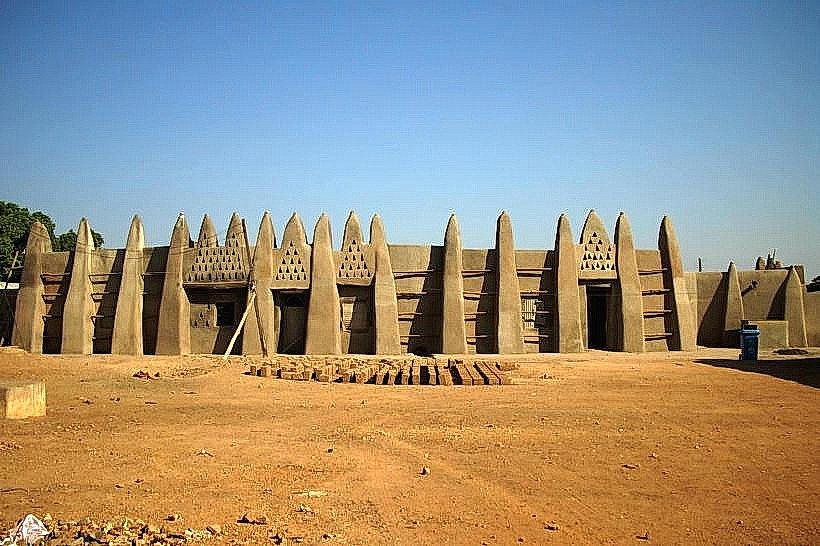
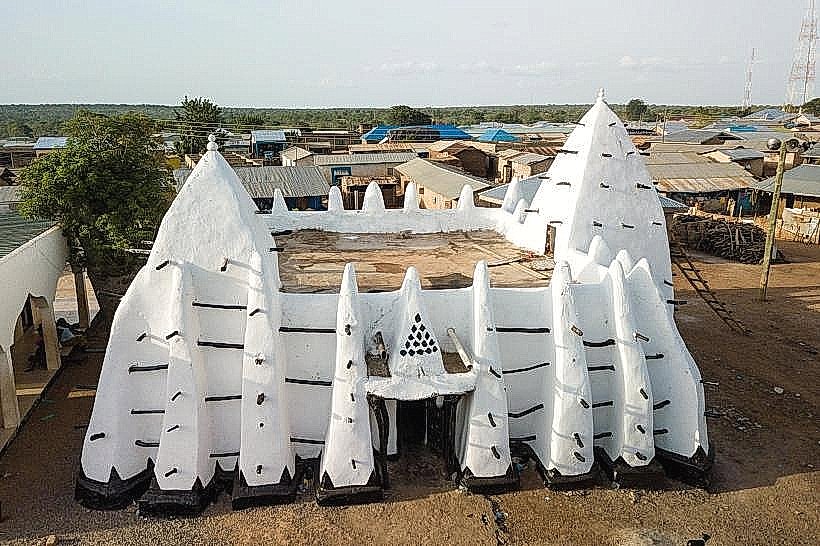
A verified historical oddity is the sanctuary's "Lobi" traditional architecture, where some homes are built with defensive flat roofs and ladder access to protect residents from historic raids. Local tradition identifies the hippos as protective spirits of the river, and the community has instituted a total ban on hunting within the sanctuary boundaries to honor this ancestral link.
Nearby Landmarks
Wechiau Town Centre: 14.5km Northeast
Ga Traditional Area: 22.0km South
Black Volta River Border (Ivory Coast): 0.1km West
Wa Naa’s Palace: 52.0km Northeast