Landmark: Gbewaa Palace
City: Tamale
Country: Ghana
Continent: Africa
Gbewaa Palace, Tamale, Ghana, Africa
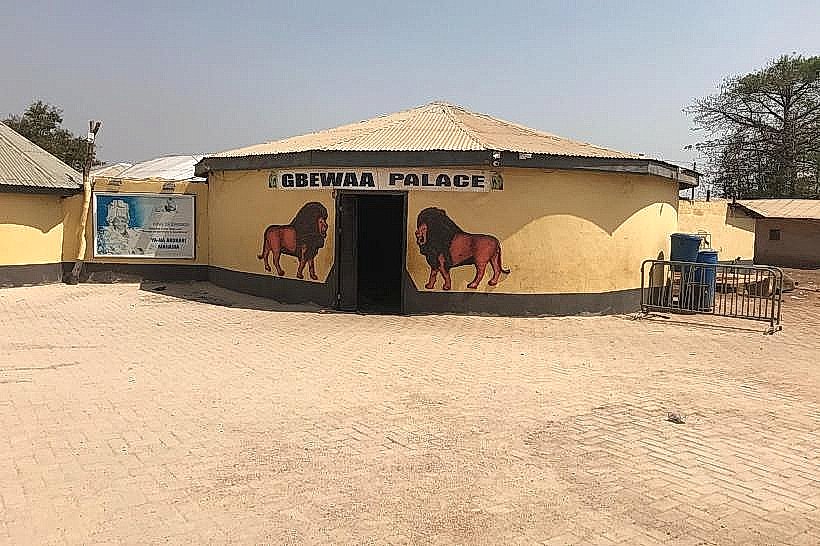
Gbewaa Palace is the seat of the Ya Na, the King of Dagbon, located in Yendi, the traditional capital of the Dagbon Kingdom in Northern Ghana. It serves as the administrative, judicial, and spiritual center for the Dagomba people and is one of the most significant traditional palaces in West Africa.
Visual Characteristics
The palace is a large complex featuring a blend of traditional Sudanese-Sahelian architectural influences and modern reinforced concrete structures. It is characterized by its expansive courtyard, high perimeter walls, and several circular and rectangular halls with pitched or flat roofs. The central assembly areas are designed to accommodate hundreds of subjects during durbars, while the inner residential quarters maintain a more private, traditional defensive layout.
Location & Access Logistics
The site is located on the Yendi-Saboba Road in the center of Yendi, approximately 96km east of Tamale. Access is via the N10 highway from Tamale, followed by the Yendi road. Visitors can reach the palace using private vehicles, commercial buses, or "yellow-yellow" auto-rickshaws from the Yendi central market. While it is a functioning royal residence, the outer courtyard is generally accessible to the public, though entering the inner chambers requires formal traditional clearance.
Historical & Ecological Origin
The palace is named after Na Gbewaa, the legendary founder of the Mole-Dagbani ethnic group. While the specific structures have been rebuilt over centuries-most recently after the 2002 conflict and during the restoration of the Dagbon peace process in 2019-the site has remained the permanent seat of the Yendi skin (throne) for hundreds of years. Geologically, it is situated on the flat, semi-arid plains of the Guinea Savannah, where construction historically relied on sun-dried mud bricks and thatch.
Key Highlights & Activities
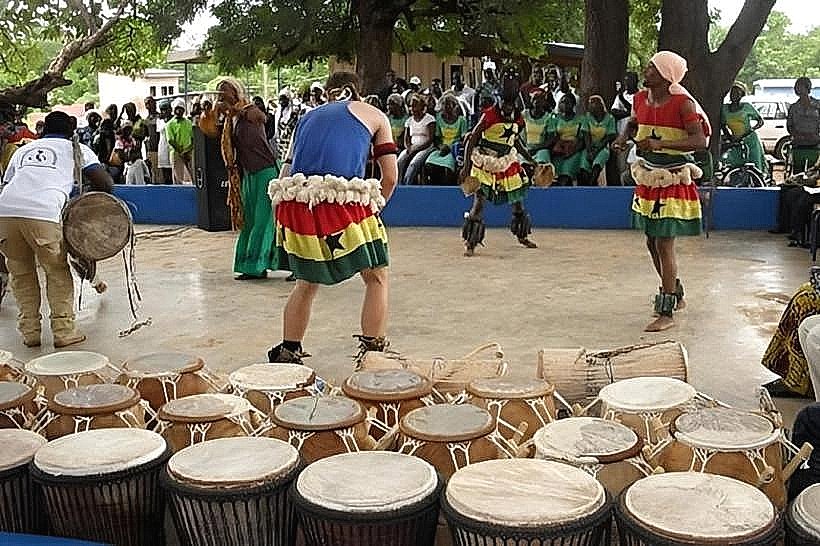
The primary highlight is witnessing the "Damba" festival celebrations, during which the Ya Na appears in full regalia to receive homage from his divisional chiefs. Visitors can observe the traditional drumming and dancing sessions that occur daily at the palace gates to announce the arrival of dignitaries. Guided explanations of the Dagbon skin succession system and the history of the various "Na" (Kings) are often provided by palace linguists.
Infrastructure & Amenities
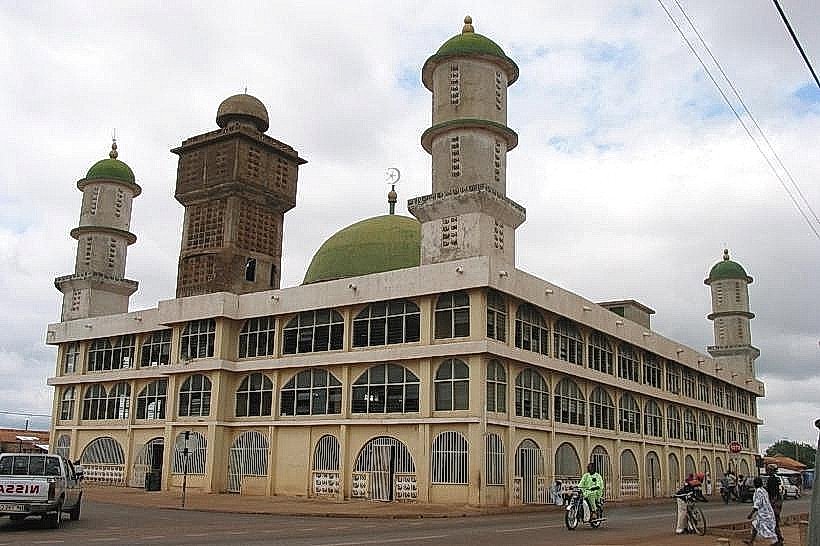
The palace complex includes a grand assembly hall, administrative offices for the traditional council, and a mosque. Public amenities are limited to basic facilities within the administrative wing. The vast open courtyards provide little shade, so headwear or umbrellas are recommended for daytime visits. 4G/5G cellular coverage is consistent throughout Yendi, and the surrounding township offers numerous local restaurants and guesthouses.
Best Time to Visit
The most significant time to visit is during the Damba festival (usually the third month of the Islamic calendar) or on Monday and Friday mornings when traditional drumming ceremonies are most elaborate. For photography, the early morning (07:00–09:00) provides the best light to capture the architecture. The dry season (November to March) is the most reliable time for travel, as heavy rains in August and September can affect the unpaved access routes in the region.
Facts & Legends
According to Dagbon tradition, the spirit of Na Gbewaa is inextricably linked to the palace grounds; it is believed that as long as the palace stands, the Dagbon Kingdom will remain unified. A verified historical oddity is the presence of the "Sacred Drums," which are used to communicate complex genealogical histories that can span several hours of non-stop rhythmic storytelling, accessible only to trained palace historians.
Nearby Landmarks
Yendi Central Mosque – 0.5km West
Yendi Municipal Hospital – 1.2km North
Dagbon State Senior High School – 2.5km East
Yendi Market – 0.8km Southwest
German Cemetery (Yendi) – 1.5km North