Landmark: Tamale Market
City: Tamale
Country: Ghana
Continent: Africa
Tamale Market, Tamale, Ghana, Africa
Tamale Central Market is the primary commercial and logistical hub for the Northern Region of Ghana, acting as a massive distribution point for both agricultural produce and artisanal goods. It is characterized by its high-density, sprawling layout that integrates traditional open-air trading with permanent concrete structures and narrow, bustling alleyways.
Visual Characteristics
The market features a diverse array of structural forms, ranging from modern reinforced concrete stalls with metal roofing to traditional timber-frame sheds and shaded street-side displays. The visual landscape is dominated by vibrant displays of textiles, mountains of grain, and stacks of hand-crafted leather goods. The ground is largely paved in central areas, though peripheral sections transition into packed laterite soil, which turns reddish when dry.
Location & Access Logistics
The market is situated in the exact center of Tamale, bordered by Bolgatanga Road and the main taxi rank. It is approximately 0.5km south of the Dakpema Palace. Access is highly efficient via the city's "yellow-yellow" (auto-rickshaw) network, which deposits passengers at various entry gates. For those traveling from outside the city, the main metro mass and private bus terminals are located within a 1km radius. Vehicle parking is extremely limited due to the high volume of foot traffic and commercial loading.
Historical & Ecological Origin
The market has functioned as a trade terminus for centuries, originally serving as a vital stop on the trans-Saharan trade routes for salt, gold, and kola nuts. Its growth was facilitated by Tamale’s position within the Guinea Savannah, making it a natural gathering point for traders from the Sahel and the southern forest zones. The current modernized sections were developed to improve sanitation and fire safety, though the market retains its traditional role as the spiritual and economic "heart" of the city.
Key Highlights & Activities
Wholesale Grain Trading: Observe the massive scale of trade in regional staples like shea nuts, yams, maize, and diverse varieties of rice.
Artisanal Leather Row: Visit the dedicated section where craftsmen produce traditional Dagomba boots, sandals, and embossed leather cushions using age-old tanning techniques.
Textile Procurement: Explore a vast collection of hand-woven Smock (Batakari) fabrics, which are the hallmark of Northern Ghanaian attire.
Culinary Immersion: Sample local processed goods such as dawadawa (fermented locust bean) and shea butter in its raw form.
Infrastructure & Amenities
The market complex includes several dedicated public restroom blocks and a police post for security. While the permanent structures provide some shade, the majority of the market is exposed to the elements, requiring the use of umbrellas or hats during the midday sun. 4G/5G cellular signal is exceptionally strong throughout the area. Numerous "chop bars" (local eateries) and pharmacies are integrated into the market's perimeter.
Best Time to Visit
The most intense activity occurs between 09:00 and 16:00. To observe the arrival of fresh agricultural produce from rural districts, visiting at dawn (06:00–07:30) is recommended. For photography, the early morning light captures the textures of the textiles and grains without the harsh overhead glare. Monday and Friday are the peak trading days when the volume of goods and people is at its highest.
Facts & Legends
According to local tradition, the market is overseen by the Dakpema, who is spiritually titled the "husband of the market." It is believed that no major trade or price standard is set without his symbolic blessing. A unique historical oddity is that despite the modernization of the city, the market remains one of the few places where certain traditional barter systems and informal credit unions (Susu) still dictate the flow of millions of Cedis daily.
Nearby Landmarks
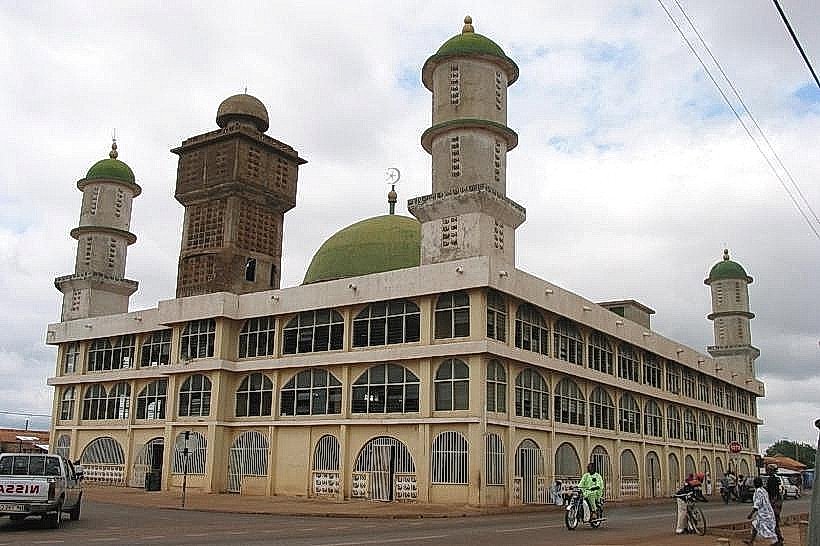
Tamale Central Mosque – 0.4km West
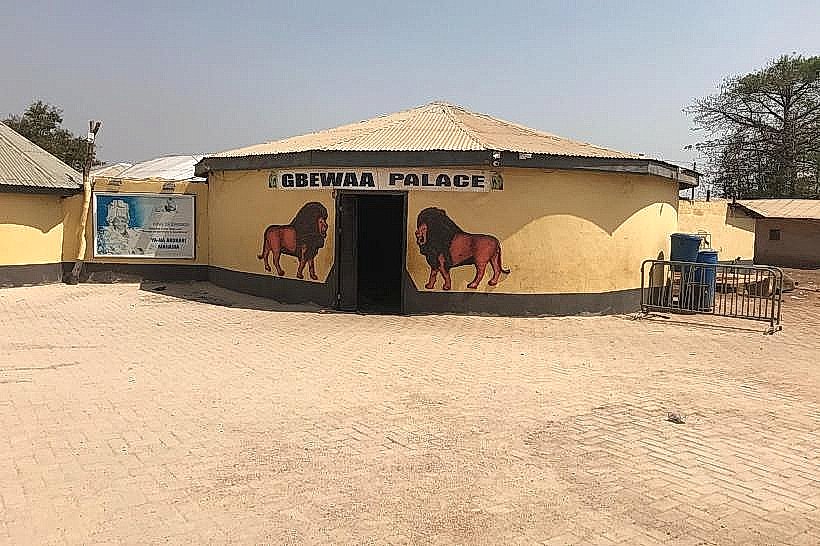
Dakpema Palace – 0.5km North
Tamale Central Library – 0.6km North
Centre for National Culture – 0.8km South
Gulkpe Naa Palace – 0.7km Southwest