Landmark: Gone Rural Workshop
City: Malkerns
Country: Eswatini
Continent: Africa
Gone Rural Workshop, Malkerns, Eswatini, Africa
The Gone Rural Workshop is a specialized artisan production studio and fair-trade social enterprise located on the Malandela’s Complex grounds in the Malkerns Valley, Eswatini. The facility serves as the central design, processing, and distribution hub for high-end homeware and hand-woven products made from indigenous lutindzi grass, providing sustainable income to more than 700 rural Swazi women across the country.
Visual Characteristics
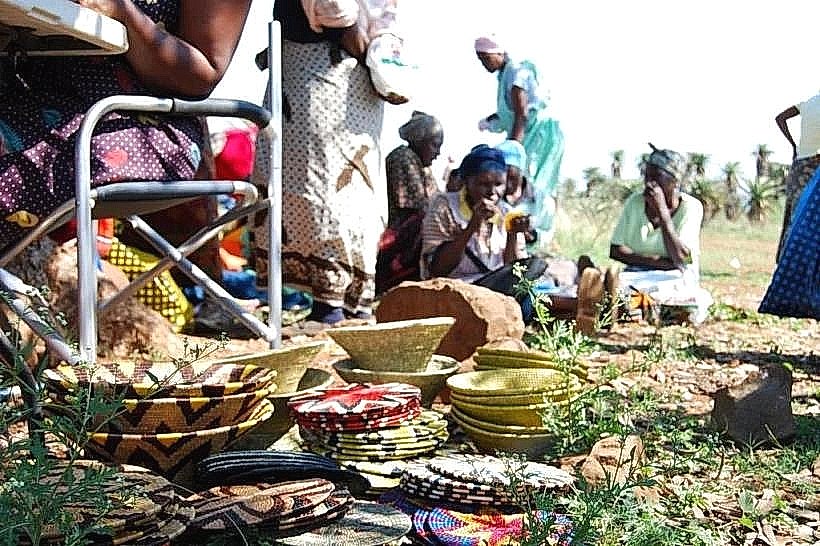
The landmark features a functional, barn-style stone and timber architectural layout integrated with contemporary industrial processing spaces. The interior is divided into broad workspaces containing large metal weighing scales, high-density storage bays packed with multi-colored skeins of dyed grass, and design tables where Master Weavers prototype new collections. The exterior features covered wooden verandas and open-air courtyards where raw, sustainably harvested grasses are organized by color and thickness. The final products are characterized by intricate, tight-weave geometry, incorporating striking color combinations into contemporary bowls, placemats, baskets, and sculptural floor mats.
Location & Access Logistics
The workshop is situated inside the Malandela’s Complex immediately adjacent to the paved MR27 road in Malkerns, roughly 21 kilometers west of Manzini. The site is easily accessible by all vehicle types via the main asphalt highway network. Public transport users can board any Malkerns-bound kombi departing from the central Manzini Bus Rank and request to disembark at the Malandela’s entrance. Private vehicles and tour operators can park in the spacious, unpaved gravel and grass parking lot located inside the estate gates.
Historical & Ecological Origin
The enterprise was founded in 1992 by the late Jenny Thorne, a visionary designer who sought to transform traditional Swazi floor-mat weaving into an empowered, commercially viable handicraft industry for marginalized rural women. The core material used, Coleochloa setifera (locally known as lutindzi grass), is an ecologically stable, rocky-outcrop plant harvested by hand from the highveld mountains. Because the grass is harvested by pulling it from the leaf sheath rather than digging up the roots, the plant regenerates annually without causing soil erosion, making the entire industrial lifecycle naturally sustainable.
Key Highlights & Activities
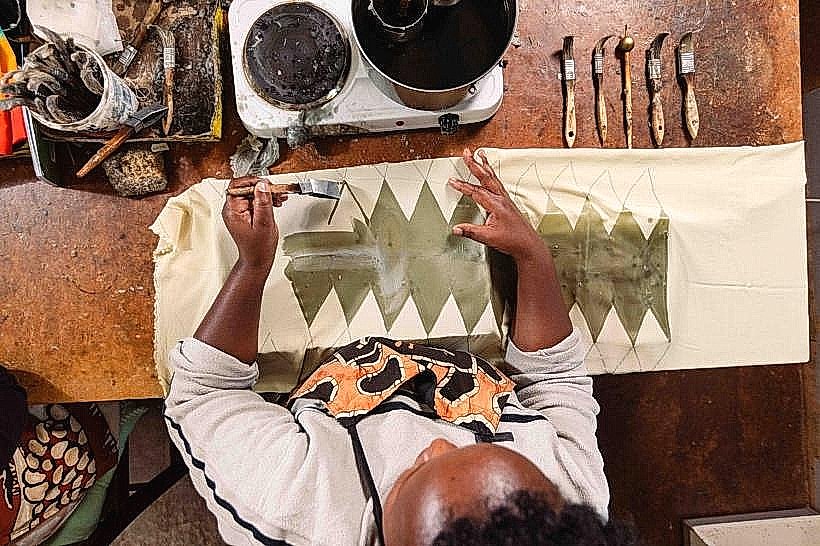
Observing the complex material preparation, including the natural dyeing process and the hand-twisting of raw lutindzi grass into durable weaving cords, is a primary activity on site. Visitors can browse the high-end retail showroom to view international award-winning designs and purchase certified fair-trade items directly from the source. The workshop frequently runs educational exhibits detailing the social impact programs managed by their non-profit arm, boMake Rural Projects, which funds clean water boreholes, mobile health clinics, and educational scholarships across the weavers' home communities.
Infrastructure & Amenities
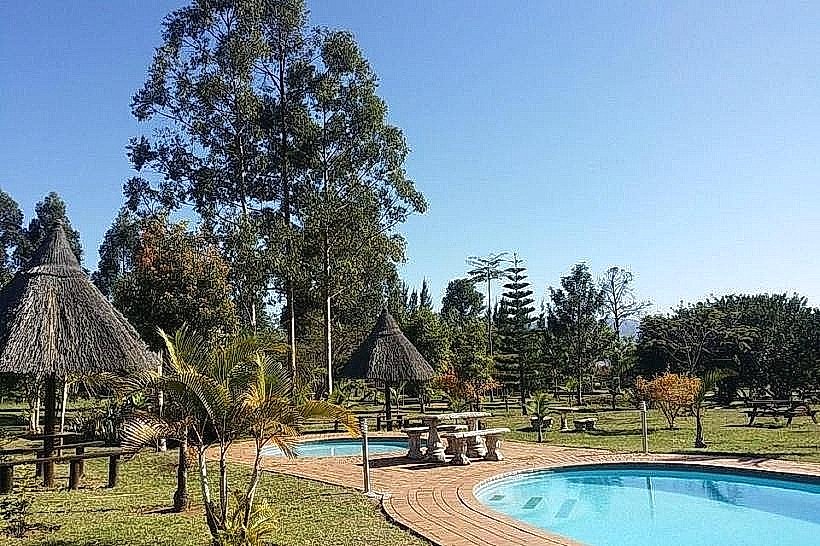
The workshop compound features modern, fully plumbed public restrooms shared with the broader estate. The architectural verandas and covered storage units provide complete shade from the sun, while the adjoining botanical gardens offer extensive natural canopy shade. Cellular signal strength is excellent, with stable 4G and 5G connectivity available throughout the entire grid. While there are no food stalls inside the technical workshop itself, full-service dining, cafes, and additional retail boutiques are located 20 meters away at the Malandela’s Restaurant.
Best Time to Visit
The workshop and showroom are open to the public Monday through Saturday from 08:00 to 17:00, and Sundays from 09:00 to 16:00. The optimal time to visit for active layout viewing is during weekday mornings between 09:00 and 11:00, when internal logistical teams are actively receiving, sorting, and quality-checking bulk woven shipments brought in from remote rural sectors. The dry winter months from May to August offer the most comfortable climate for walking the complex grounds.
Facts & Legends
A verified operational reality of Gone Rural is its radical decentralized economic model: the weavers do not commute to the factory; instead, the workshop's transport trucks travel thousands of kilometers each month into deep rural zones to deliver dyed grass and collect finished woven pieces directly from local tree-shade assembly points, allowing women to work from home while maintaining their agricultural homesteads. Local weaver lore celebrated at the workshop attributes a protective spiritual quality to lutindzi grass, noting that because it survives the harshest winter droughts on sheer mountain precipices, the items woven from it carry a structural resilience that symbols the endurance of Swazi women.
Nearby Landmarks
Malandelas Complex: 0.01km West
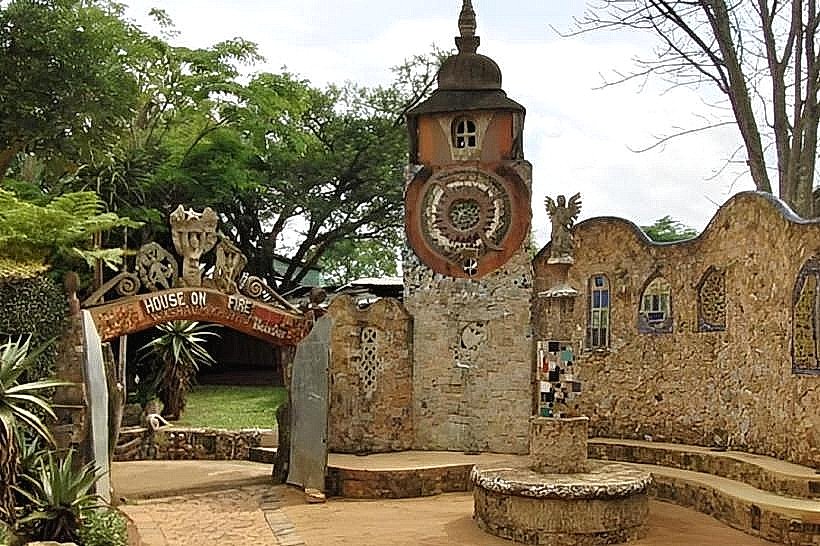
House On Fire: 0.02km East
Malkerns Valley Square Shopping Centre: 1.5km West
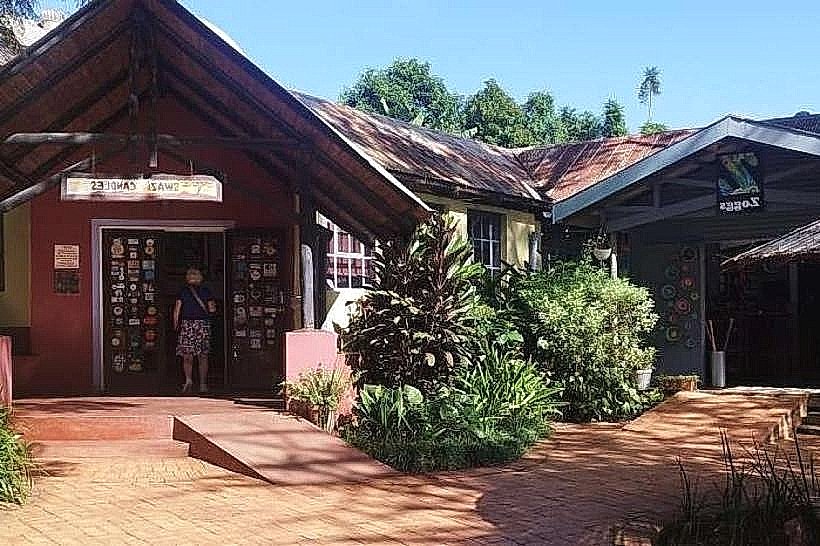
Swazi Candles Centre: 3.0km West
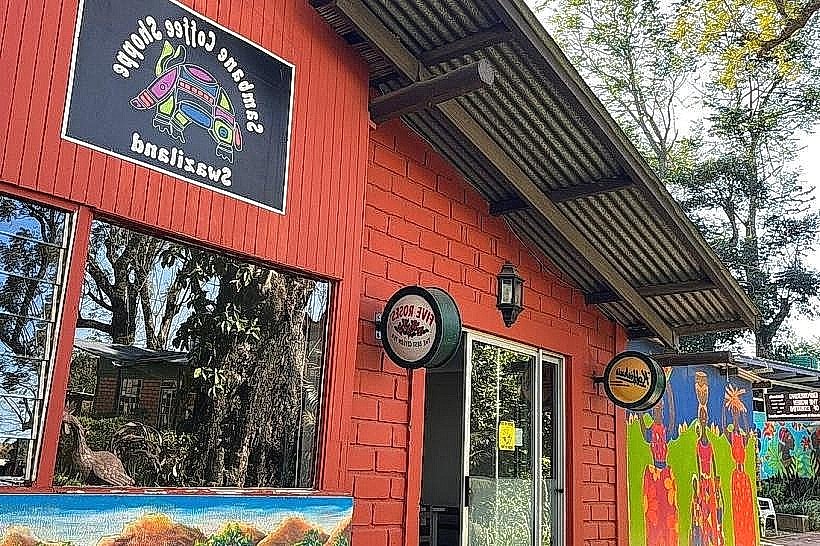
Sambane Coffee Shoppe Crafts: 3.0km West