Landmark: Mlilwane Wildlife Sanctuary
City: Malkerns
Country: Eswatini
Continent: Africa
Mlilwane Wildlife Sanctuary, Malkerns, Eswatini, Africa
The Mlilwane Wildlife Sanctuary is a protected conservation area located in the Ezulwini Valley, adjacent to the Malkerns farming district in western Eswatini. Operating as the nation’s oldest pioneer conservation area, the sanctuary covers approximately 4,560 hectares of pristine wilderness dedicated to wildlife preservation, ecotourism, and environmental education.
Visual Characteristics
The sanctuary features a highly diverse landscape that transitions from dramatic northern highveld crags to a flat, grassy southern valley floor. The striking red-ochre soil contrast is visible along all unpaved roads and hiking trails. The central visual focal point is the prominent, sharply peaked Nyonyane Mountain, also known as Execution Rock, which consists of exposed granite rock faces rising above the acacia savannah. Water bodies include the large, crocodile-inhabited Nyonyane Pool and several smaller wetland marshes filled with aquatic birds. Vegetation varies from dense riverine forests to open grasslands where herds of zebra, blesbok, and impala graze continuously.
Location & Access Logistics
The main entrance gate is located along the unpaved D104 road, approximately 4.5 kilometers north of the MR27 junction in Malkerns and roughly 27 kilometers west of Manzini. Visitors can access the site by vehicle from the MR3 highway by taking the Ezulwini or Malkerns off-ramps and following the clear brown tourism signage. Public transport users can catch a local kombi (minibus) from the Manzini Bus Rank heading toward Malkerns or Mbabane via Ezulwini, disembarking at the main turn-offs, where local taxis are available for the final gravel stretch. Secure gravel parking lots are available inside the sanctuary at the main Rest Camp and the Reilly's Rock hilltop lodge.
Historical & Ecological Origin
Mlilwane was formally established in 1961 by conservationist Ted Reilly on his family's private agricultural farm, which had been systematically cleared of timber and cattle to make way for the return of indigenous Swazi wildlife. The sanctuary's name translates to "Little Fire" in siSwati, derived from the frequent lightning strikes that historically ignited the mineral-rich hillsides. It holds significant historical status as the birthplace of modern conservation in Eswatini, serving as the original refuge where endangered national species were brought to prevent total localized extinction from colonial hunting practices.
Key Highlights & Activities
Mountain biking and horseback riding safaris along the flat southern valley trails are primary activities that allow close, vehicle-free encounters with non-dangerous wildlife. Hiking to the summit of Nyonyane Mountain via the Machobane Trail offers expansive panoramic views across the Ezulwini Valley. Self-drive or guided open-vehicle game drives operate daily, targeting sightings of hippo, crocodile, kudu, and the rare roan antelope. Guided bird-watching walks around the central wetland systems provide excellent photography opportunities for viewing over 200 distinct avian species.
Infrastructure & Amenities
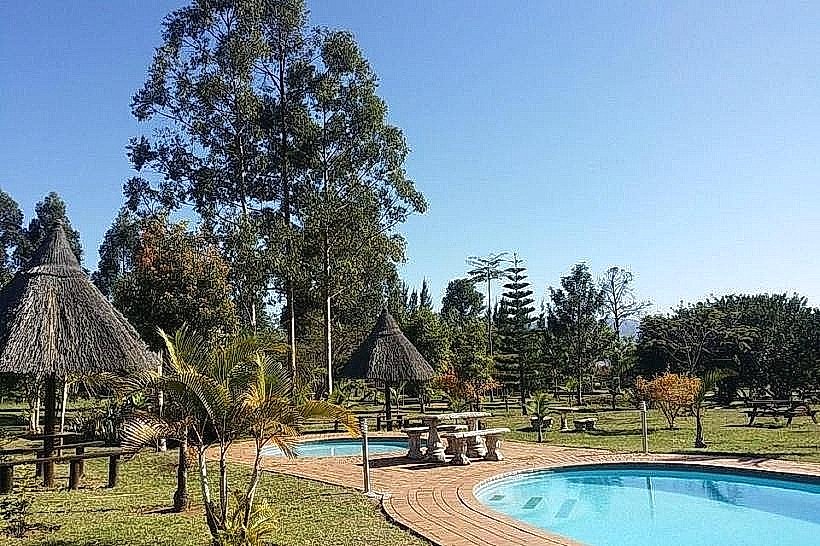
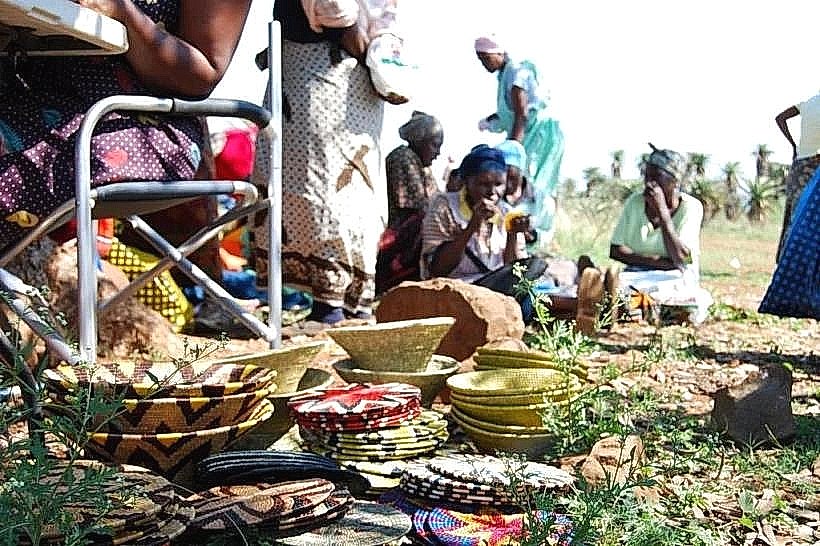
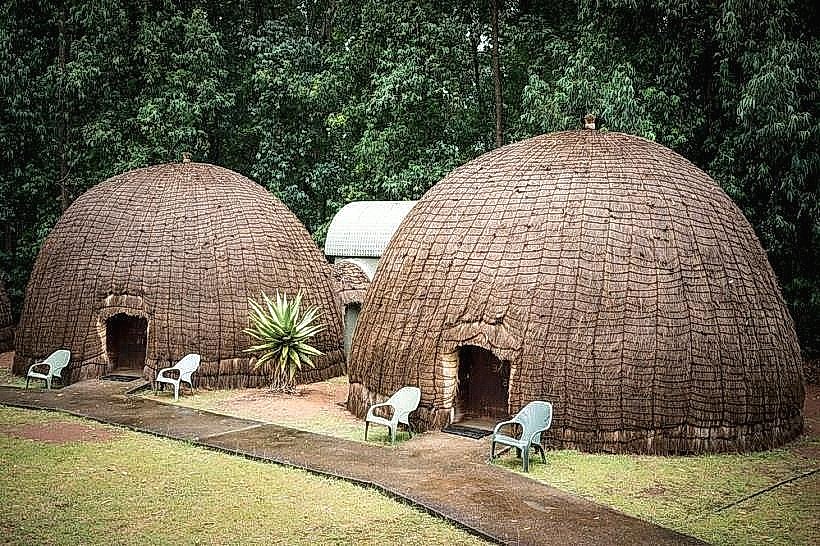
The sanctuary features extensive infrastructure including the main Rest Camp, which provides public restrooms, hot showers, and a range of traditional beehive huts and timber chalets. The central Hippo Haunt Restaurant overlooks the main pool, offering outdoor wooden deck seating with natural shade provided by large thatch roofs and indigenous trees. Cell phone signal is stable with standard 3G and 4G connectivity available across the lower valley, though coverage drops significantly in the northern mountain crevices. A well-stocked curio shop sells local handicrafts, firewood, and basic snacks near the main reception desk.
Best Time to Visit
The sanctuary gates operate daily from 06:00 to 18:00. The optimal time for wildlife photography is during the early morning from 06:30 to 08:30 or the late afternoon from 15:30 to 17:30, when the low-angle sun illuminates the red soils and the granite face of Execution Rock without harsh shadows. The dry winter season from May to August offers the best conditions for wildlife viewing, as animals regularly converge around the remaining water holes and the vegetation is thin, making tracking significantly easier.
Facts & Legends
A grim historical fact defines the landmark summit of Nyonyane Mountain: until the late 19th century, this granite peak functioned as an open-air execution site where Swazi individuals suspected of witchcraft or treason were forced off the precipitous edge at spearpoint. A modern historical oddity rests in the sanctuary's initial funding, which was partially raised when Ted Reilly sold his personal collection of historical books and family land assets to buy back native wildlife species from South African reserves, successfully reintroducing species that had been completely absent from Eswatini for over half a century.
Nearby Landmarks
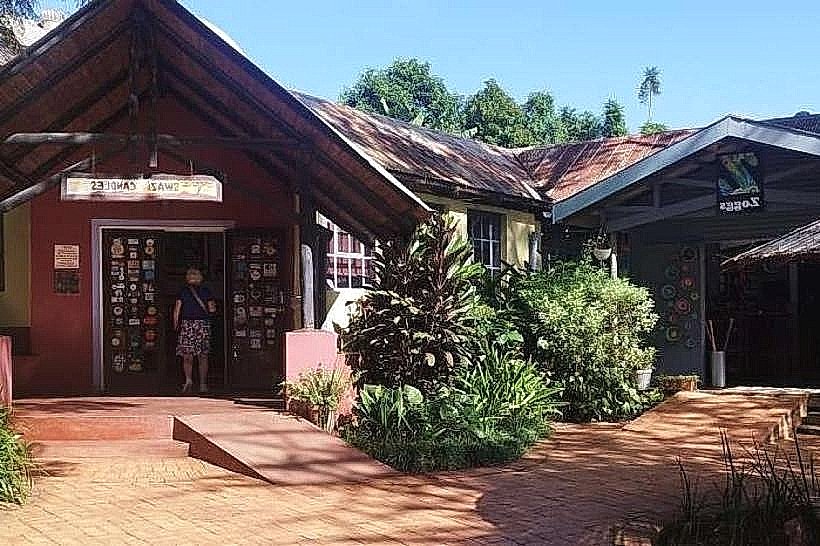
Swazi Candles Handicrafts Centre: 5.5km South
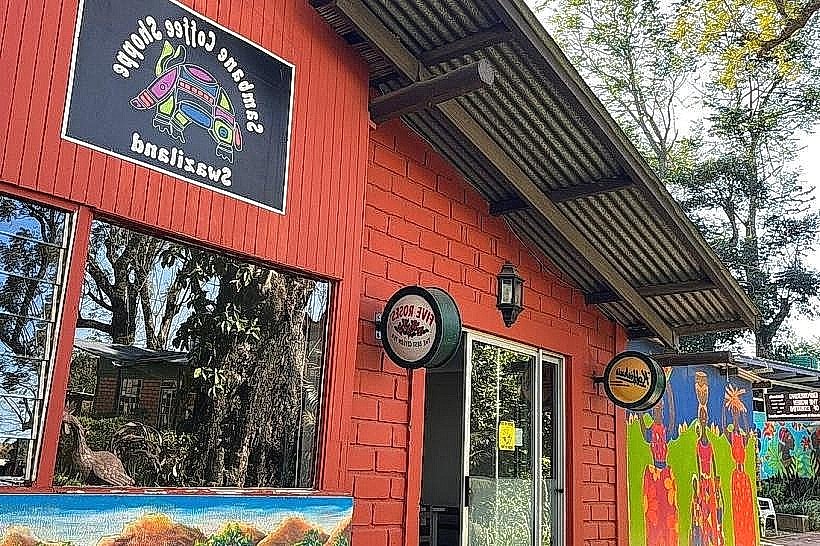
Malkerns Valley Square Shopping Centre: 6.0km South
Mantenga Cultural Village: 7.5km Northeast
Mantenga Falls: 7.8km Northeast
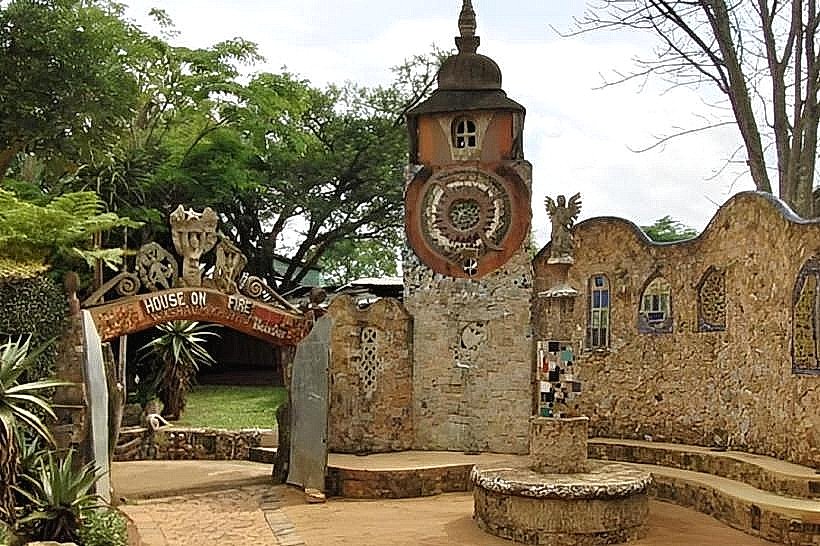
House On Fire Performance Venue: 8.2km Southeast