Landmark: Hyrax Hill Prehistoric Site
City: Nakuru
Country: Kenya
Continent: Africa
Hyrax Hill Prehistoric Site, Nakuru, Kenya, Africa
Hyrax Hill Prehistoric Site is an archaeological location situated on the shores of Lake Nakuru in Kenya.
This site preserves evidence of human occupation spanning several millennia.
Visual Characteristics
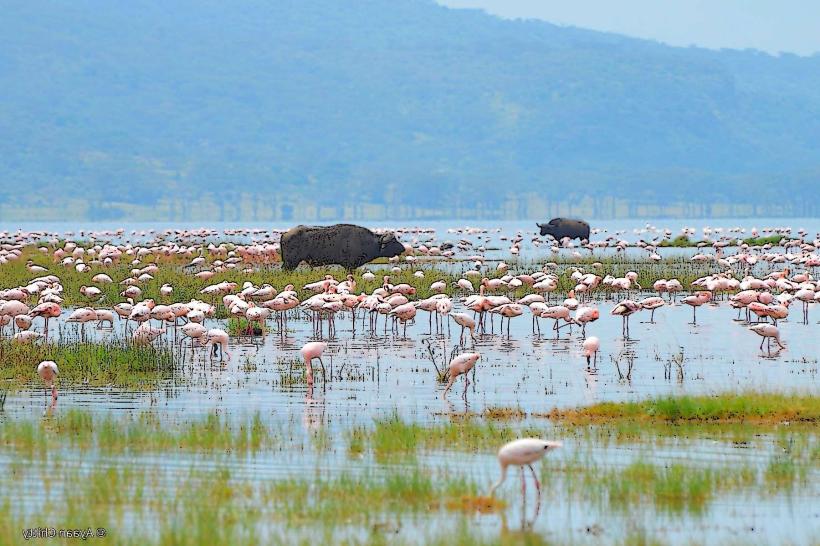
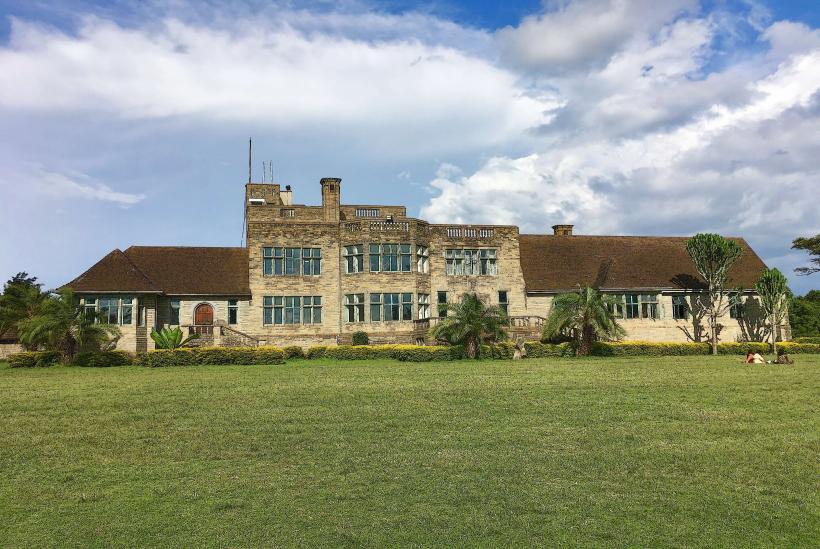
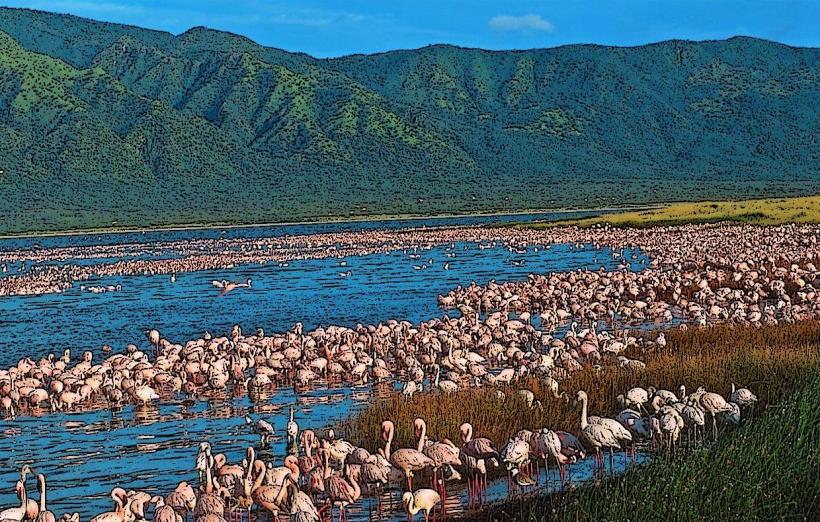
The site consists of open grassland with scattered acacia trees. The terrain is gently sloping towards Lake Nakuru. Several small caves and rock shelters are present, formed from volcanic rock. The lake itself is characterized by its alkaline waters, often appearing pink due to flamingo populations.
Location & Access Logistics
Hyrax Hill is located approximately 5 kilometers northeast of Nakuru town center. Access is via the A104 highway, turning onto a clearly signposted dirt road. Parking is available on-site. Public transport options include matatus (minibuses) from Nakuru town to the junction of the A104 and the site access road; a further walk or short taxi ride is then required.
Historical & Ecological Origin
The site's origins are primarily archaeological, with evidence of human activity dating back to the Neolithic period (around 3000 BC) and continuing through the Iron Age. The geological formation is volcanic, with the rock shelters formed by weathering of the pyroclastic deposits. The surrounding ecosystem is a savanna grassland bordering a saline lake.
Key Highlights & Activities
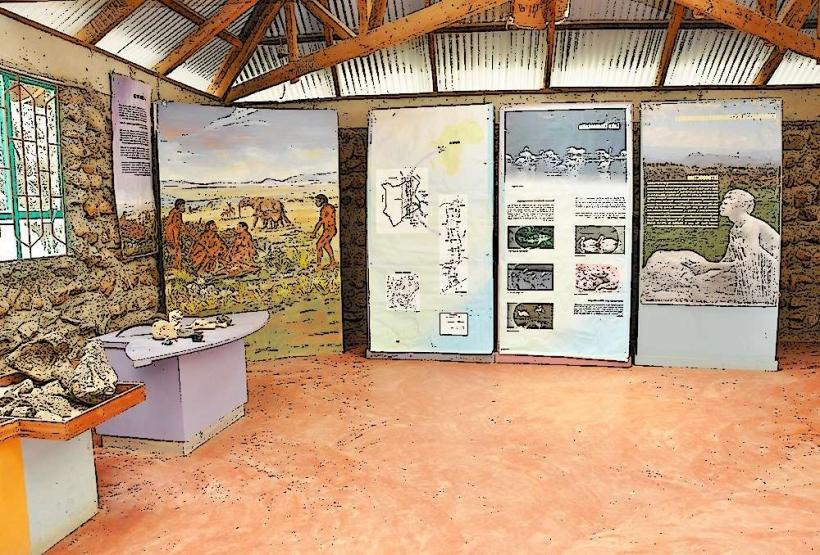
Exploration of the rock shelters and caves. Observation of archaeological features such as pottery shards and stone tools. Birdwatching, particularly of the waterfowl and flamingos on Lake Nakuru. Walking the designated paths around the site.
Infrastructure & Amenities
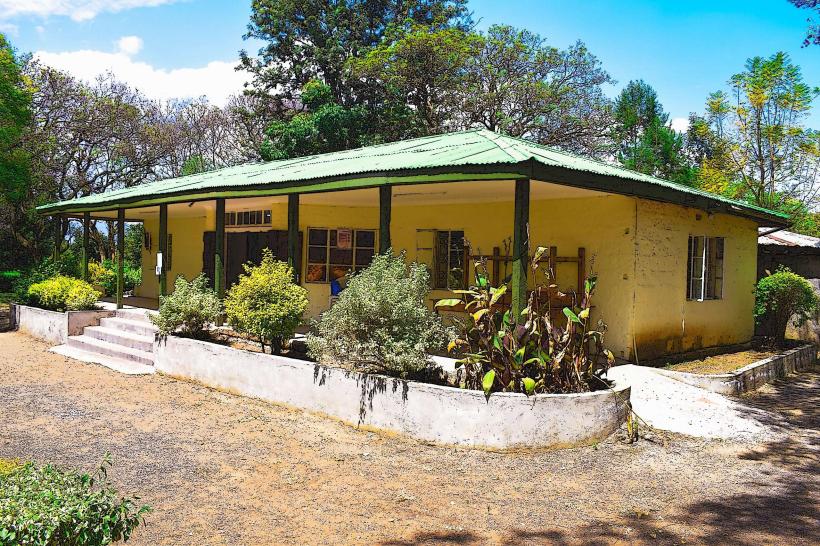
Basic restroom facilities are available at the site entrance. Limited shade is provided by acacia trees. Cell phone signal (4G) is generally available. No food vendors are present on-site; visitors should bring their own provisions.
Best Time to Visit
The best time of day for photography is early morning or late afternoon when the light is softer. The dry season, from June to October, offers the most pleasant weather conditions. Lake Nakuru's water levels can fluctuate, but this does not typically impact access to the prehistoric site itself.
Facts & Legends
Hyrax Hill is named after the rock hyrax, a small mammal found in the area. Excavations have revealed evidence of early pastoralist communities and their settlement patterns. A significant find includes well-preserved pottery fragments indicating trade and cultural exchange.
Nearby Landmarks
- Lake Nakuru National Park (0.5km West)
- Nakuru Town (5km Southwest)
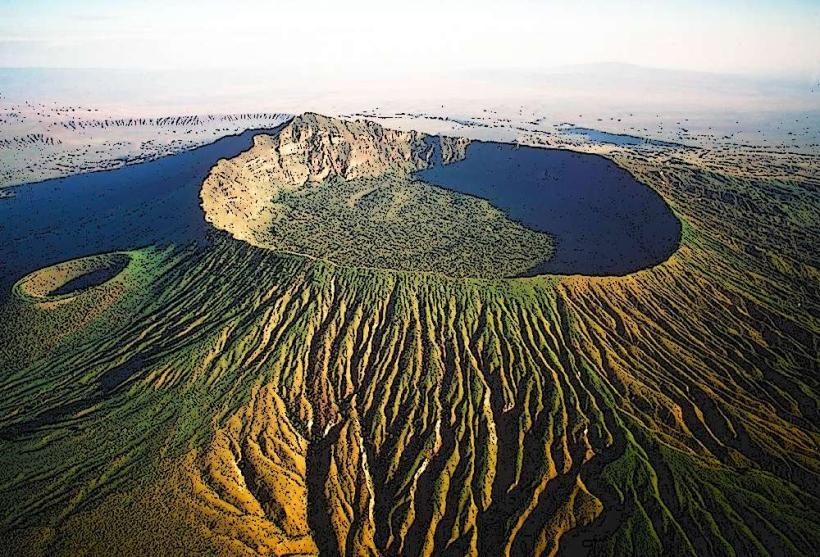
- Menengai Crater (15km North)
- Lord Egerton Castle (20km West)