Information
Landmark: Kitale Nature ConservancyCity: Kitale
Country: Kenya
Continent: Africa
Kitale Nature Conservancy, Kitale, Kenya, Africa
The Kitale Nature Conservancy is a protected area located in Kitale, Kenya. It functions as a wildlife sanctuary and research center.
Visual Characteristics
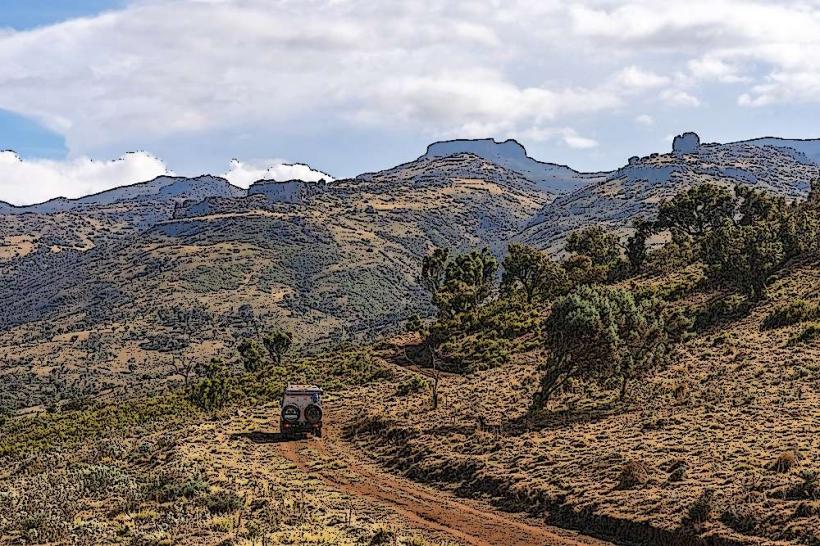
The conservancy comprises approximately 70 acres of mixed acacia woodland and grassland. Dominant tree species include various acacia varieties and doum palms. The terrain is generally flat with some gentle undulations. A small seasonal river, the Lwakhakha, traverses the southern section.
Location & Access Logistics
The conservancy is situated 3 kilometers west of Kitale town center. Access is via the B2 main road towards Kapenguria. Turn north onto a gravel access road approximately 1 kilometer past the Kitale Golf Club. Parking is available on-site at the main entrance gate. No public transport directly serves the conservancy; taxis or private vehicles are required from Kitale town.
Historical & Ecological Origin
Established in 1987, the Kitale Nature Conservancy was initially conceived as a private wildlife sanctuary. Its ecological origin is that of a semi-arid savanna grassland ecosystem, supporting a variety of indigenous flora and fauna adapted to the region's climate.
Key Highlights & Activities
Activities include guided walking safaris to observe resident wildlife such as Rothschild's giraffes, zebras, and various antelope species. Birdwatching is a primary activity, with over 300 recorded species. Photography of flora and fauna is permitted. Educational tours focusing on conservation efforts are available by prior arrangement.
Infrastructure & Amenities
Basic restroom facilities are located near the main entrance. Limited shaded areas are available at designated rest points within the conservancy. Cell phone signal (4G) is intermittent. No food vendors operate within the conservancy; visitors should bring their own provisions.
Best Time to Visit
The best time for wildlife viewing is during the dry seasons, from June to September and December to February. Early morning (06:00-09:00) and late afternoon (16:00-18:00) offer optimal lighting for photography and increased animal activity. The Lwakhakha river is typically dry from January to March.
Facts & Legends
The conservancy is a key breeding ground for the endangered Rothschild's giraffe. A specific conservation program focuses on reintroducing indigenous plant species that have been impacted by agricultural expansion in the surrounding areas.
Nearby Landmarks
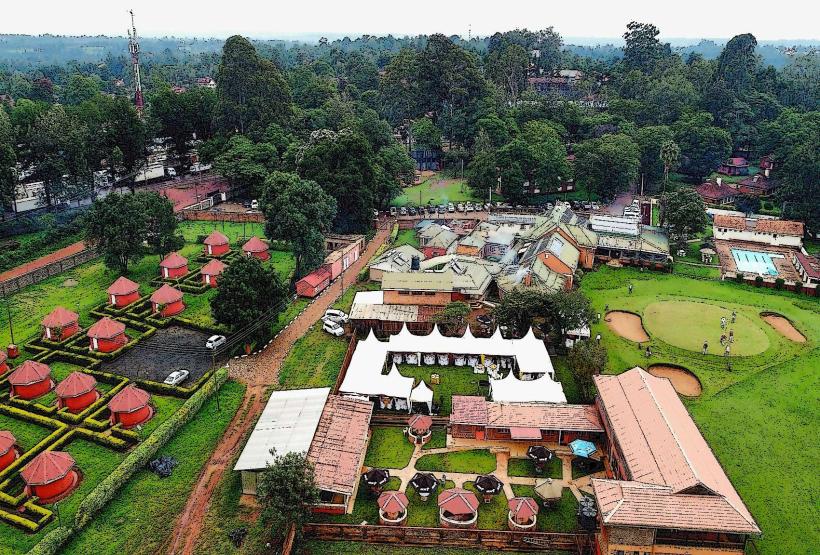
- Kitale Golf Club (0.8km East)
- Trans-Nzoia County Government Offices (2.5km East)
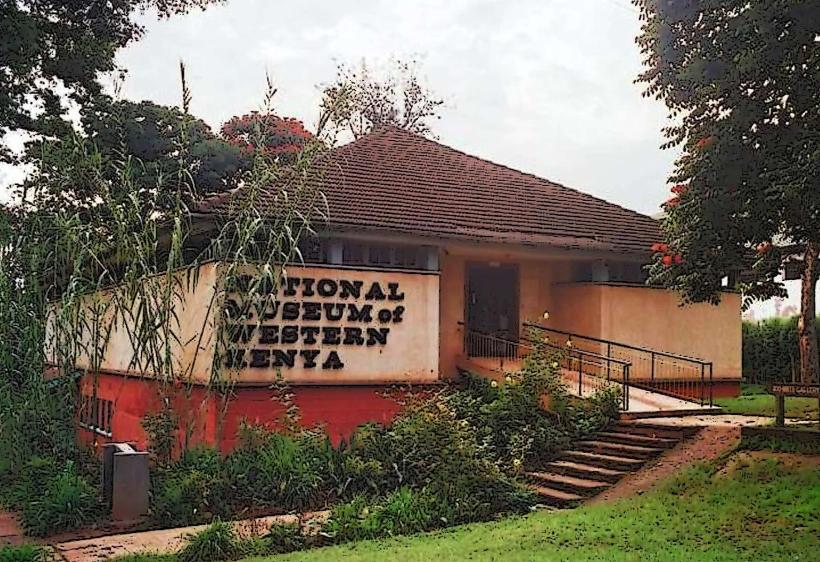
- Kitale Museum (3.0km East)
- Uhuru Gardens (3.2km East)