Information
Landmark: Mount Elgon National ParkCity: Kitale
Country: Kenya
Continent: Africa
Mount Elgon National Park, Kitale, Kenya, Africa
Mount Elgon National Park is a protected area located in western Kenya, bordering Uganda. It encompasses the caldera of the extinct volcano Mount Elgon.
Visual Characteristics
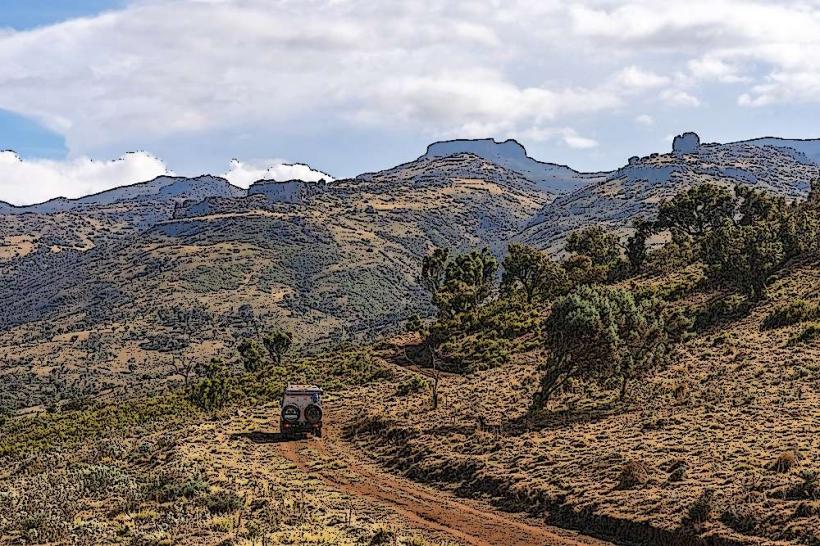
The park's landscape varies with elevation. Lower slopes feature montane forest, transitioning to bamboo zones, then to moorland and afro-alpine vegetation at higher altitudes. The summit area is characterized by volcanic rock formations and sparse vegetation. The park contains several caves, including Kitum Cave and Mbenda Cave, formed by lava tubes.
Location & Access Logistics
Mount Elgon National Park is situated approximately 100 kilometers northeast of Kitale. Access is primarily via the A1 road from Kitale towards Kapenguria, then turning onto the B20 towards Suam. The park entrance is located at the Suam Gate. Parking is available at park gates and designated visitor centers. Public transport to Kitale is available via bus services. From Kitale, local matatus (minibuses) can be hired to reach the park vicinity, though private transport is recommended for direct access to specific trailheads.
Historical & Ecological Origin
Mount Elgon is an extinct shield volcano, estimated to be over 24 million years old. Its formation is attributed to volcanic activity. The park was established to protect its unique montane ecosystem and biodiversity. The caldera is one of the largest in the world.
Key Highlights & Activities
Activities include hiking to the summit of Mount Elgon, exploring the lava tubes (Kitum Cave, Mbenda Cave), birdwatching, and wildlife viewing. Trails include the climb to Wagagai Peak (4,321m), the summit of Mount Elgon. Guided walks are available for exploring the lower forest and moorland zones.
Infrastructure & Amenities
Basic facilities are available at park gates and designated campsites, including pit latrines. Limited shade is provided by forest cover in lower areas. Cell phone signal is intermittent and generally poor within the park. No food vendors operate within the park boundaries; visitors must carry their own supplies.
Best Time to Visit
The dry seasons, from June to August and December to March, offer the most favorable conditions for hiking and wildlife viewing. The best time of day for photography is generally early morning and late afternoon, when light is softer. High altitude areas can experience frost and snow, particularly during the cooler months.
Facts & Legends
Kitum Cave is known for its salt deposits, which attract elephants and other wildlife that mine the salt. Local legends speak of the cave being a dwelling place for spirits. The park is a critical water catchment area for rivers in the region.
Nearby Landmarks
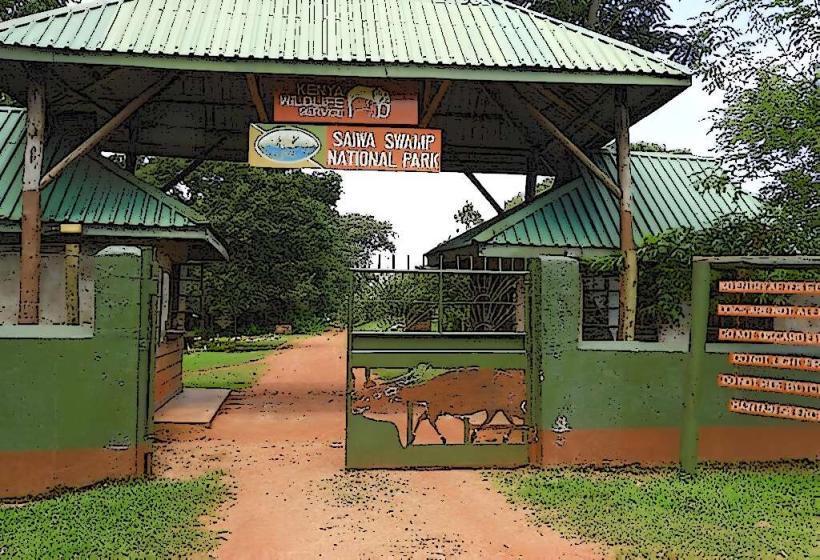
- Saiwa Swamp National Park (35km Southwest)
- Cherangani Hills Forest Reserve (40km Southeast)
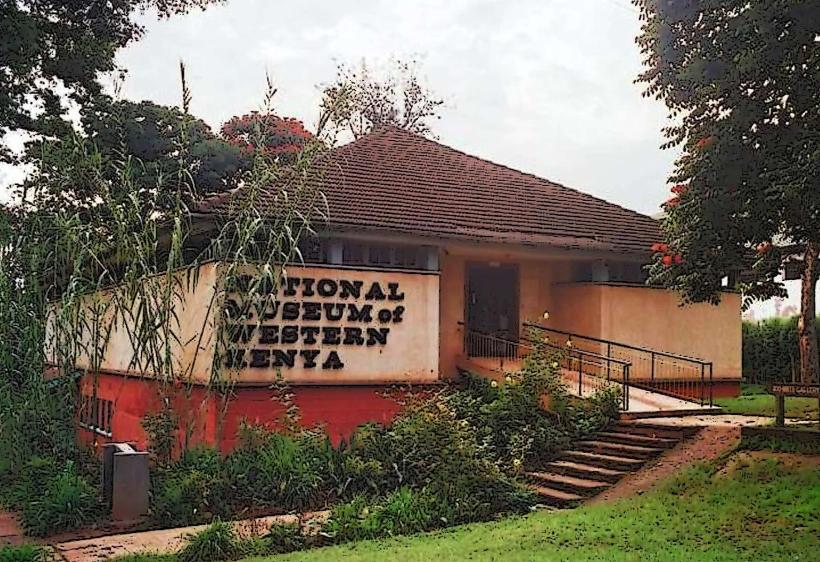
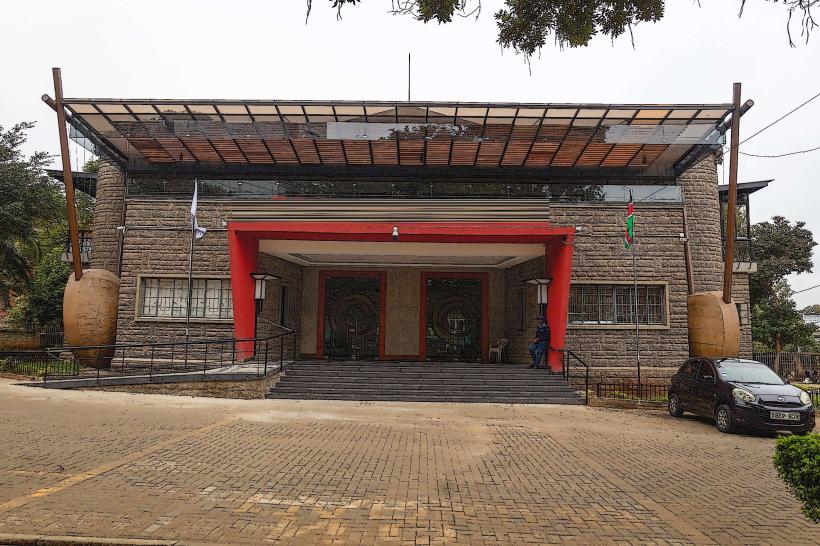
- Kitale Museum (100km Southwest)
- Kakamega Forest National Reserve (150km Southwest)