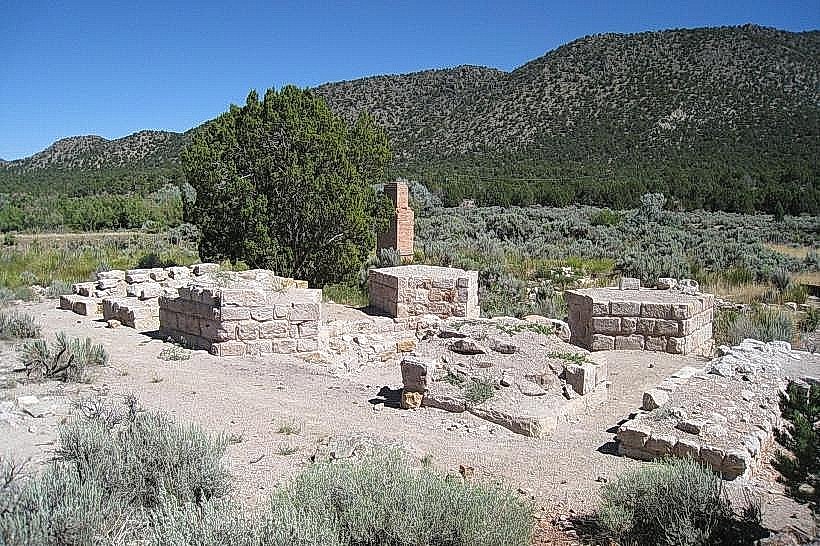
Landmark: Kolob Canyon
City: Cedar City
Country: USA Utah
Continent: North America
Kolob Canyon, Cedar City, USA Utah, North America
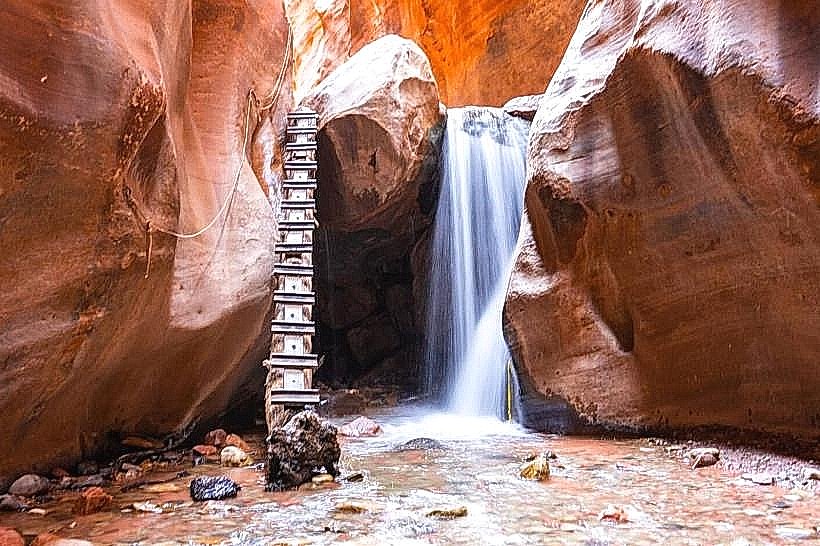
Kolob Canyon is a section of Zion National Park located in southwestern Utah, USA. It is known for its distinct Navajo Sandstone formations and remote wilderness.
Visual Characteristics
Kolob Canyon features towering cliffs of Navajo Sandstone, exhibiting shades of red, pink, and cream. The canyon walls are characterized by vertical striations and alcoves. Vegetation is sparse, consisting primarily of pinyon pine, juniper, and desert shrubs adapted to arid conditions. The elevation ranges from approximately 4,000 feet to over 8,000 feet.
Location & Access Logistics
Kolob Canyon is accessed via Kolob Canyons Road, which branches off Interstate 15 at Exit 40. This exit is approximately 40 miles north of St. George and 20 miles south of Cedar City. The road extends 5 miles into the canyon, terminating at a viewpoint. There is a designated parking area at the end of the road. Public transportation is not available to Kolob Canyon. The nearest services are in Cedar City or St. George.
Historical & Ecological Origin
The Navajo Sandstone formations in Kolob Canyon were deposited as vast desert dunes during the Jurassic period, approximately 180 million years ago. Subsequent uplift and erosion by water and wind sculpted the present-day canyon landscape. Kolob is part of the larger Colorado Plateau physiographic province.
Key Highlights & Activities
Hiking is the primary activity. The Timber Creek Trail is a 2.5-mile roundtrip hike to a viewpoint overlooking the main canyon. The Taylor Creek Trail is a 5-mile roundtrip hike that leads to Kolob Arch, one of the world's largest natural arches. Scenic driving along Kolob Canyons Road offers multiple pull-offs for observation.
Infrastructure & Amenities
Restrooms are available at the Kolob Canyons Visitor Center, located near the entrance to Kolob Canyons Road. There are no food vendors within Kolob Canyon. Cell phone signal is intermittent and generally unreliable. Shade is limited, primarily found in alcoves or beneath larger rock overhangs.
Best Time to Visit
For photography, early morning and late afternoon provide optimal lighting on the sandstone formations. Spring (April-May) and fall (September-October) offer the most comfortable temperatures for hiking, with daytime highs typically between 60-80°F. Summer temperatures can exceed 100°F, making midday hiking inadvisable. Winter can bring snow and ice, potentially closing roads.
Facts & Legends
The name "Kolob" originates from Mormon scripture, referring to a celestial body or place of God. The remote nature of Kolob Canyon means fewer visitors compared to the main Zion Canyon, offering a more solitary experience.
Nearby Landmarks
- Zion National Park Main Canyon (30km South)
- Cedar Breaks National Monument (45km Southwest)
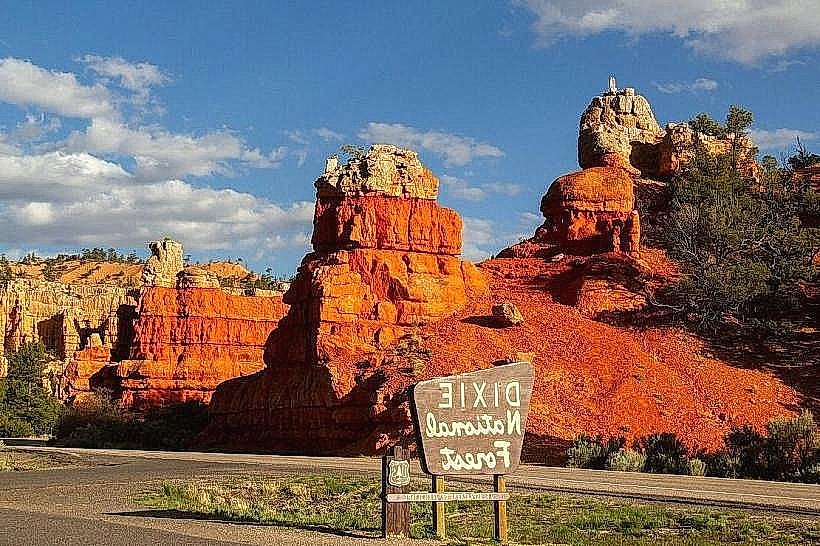
- Dixie National Forest (Adjacent)
- Snow Canyon State Park (55km Southwest)