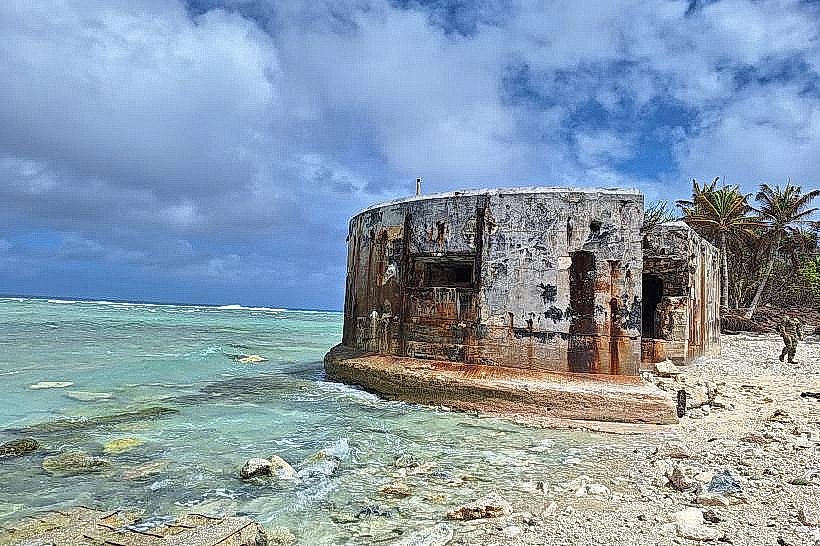
Landmark: Kwajalein WWII Battle Sites
City: Kwajalein
Country: Marshall Islands
Continent: Australia
Kwajalein WWII Battle Sites, Kwajalein, Marshall Islands, Australia
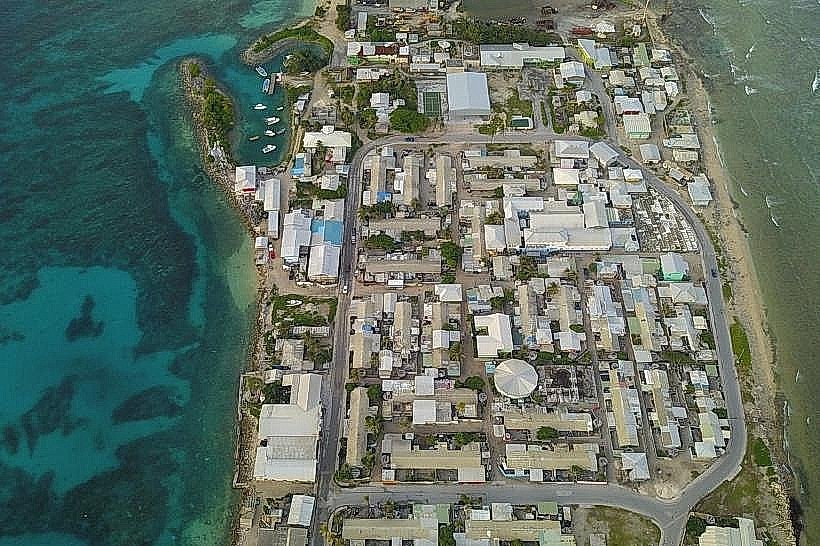
The Kwajalein WWII Battle Sites are a collection of historical locations on Kwajalein Atoll in the Marshall Islands, commemorating the 1944 Battle of Kwajalein.
Visual Characteristics
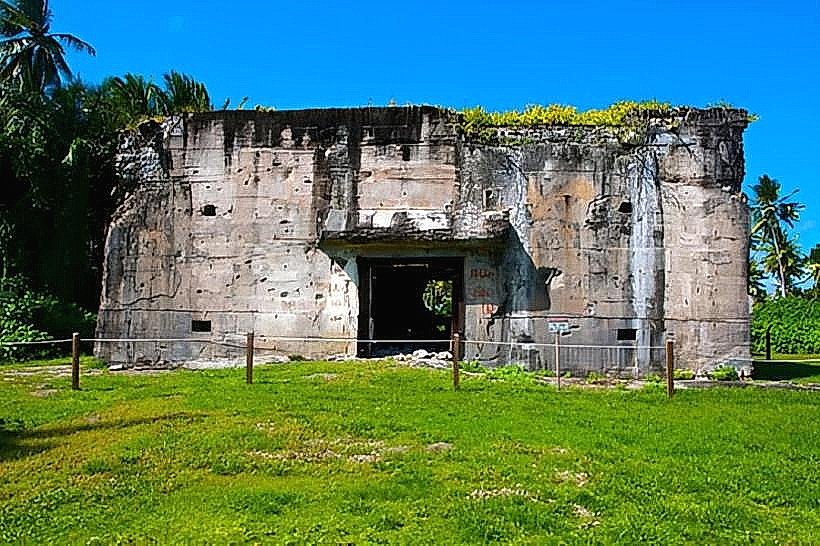
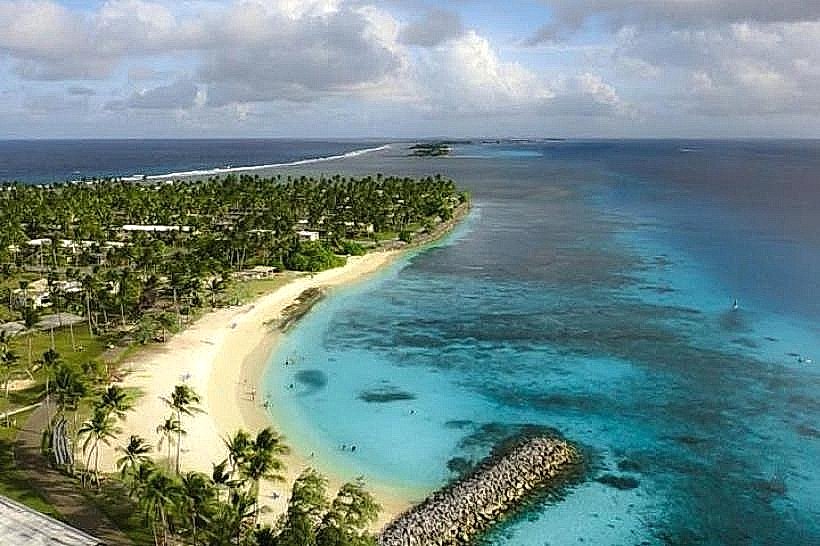
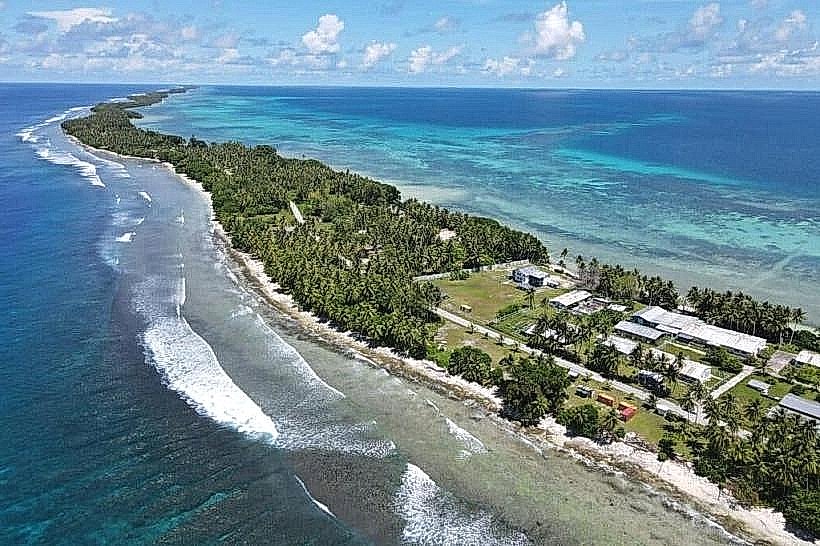
Remnants of the battle include concrete fortifications, rusted metal debris, and scattered artillery pieces. The atoll itself features coral sand beaches and shallow lagoon waters.
Location & Access Logistics
Kwajalein Atoll is accessible via flights to Kwajalein Army Airfield (KWA). Access to specific battle sites within the atoll requires local transportation, typically by boat or authorized vehicle, arranged through the U.S. Army Garrison Kwajalein Atoll (USAG-KA) or authorized tour operators. The main island of Kwajalein is approximately 4,000 km (2,500 miles) west of Honolulu, Hawaii.
Historical & Ecological Origin
These sites are remnants of the intense fighting during World War II, specifically the U.S. invasion to capture the Japanese-held atoll in January-February 1944. The atoll is a coral formation, a ring-shaped reef enclosing a lagoon.
Key Highlights & Activities
Site visits focus on observing preserved battle remnants. Specific locations include the Roi-Namur causeway, remnants of Japanese defenses on various islets, and the underwater wreckage of ships and aircraft in the lagoon. Photography of historical artifacts is permitted.
Infrastructure & Amenities
On Kwajalein Island, basic amenities such as restrooms and limited food services are available. Cell phone signal (4G/5G) is generally available on Kwajalein Island. Access to amenities on other islets is highly restricted and dependent on official arrangements.
Best Time to Visit
The dry season, from January to April, offers the most favorable weather conditions with lower humidity and less rainfall. Daytime temperatures are consistently around 30°C (86°F). Access to specific sites may be subject to tidal conditions and military operational schedules.
Facts & Legends
A notable artifact is the "Old Man" statue, a concrete Japanese bunker on Roi-Namur, which served as a prominent landmark during the battle. It is said that the statue was used as a target for artillery practice by U.S. forces.
Nearby Landmarks
- Roi-Namur Island (Battle Site) - 15km North
- Ebadon Island (Former Japanese Base) - 25km Northwest
- Enen-kio Island (Former Japanese Airfield) - 30km Southwest
- Gagan Island (Former Japanese Communications Site) - 10km West