Landmark: Lichtentaler Allee
City: Baden Baden
Country: Germany
Continent: Europe
Lichtentaler Allee, Baden Baden, Germany, Europe
Lichtentaler Allee is a historic 2.3-kilometer landscape park and arboretum extending along the west bank of the Oos River in Baden-Baden.
Visual Characteristics
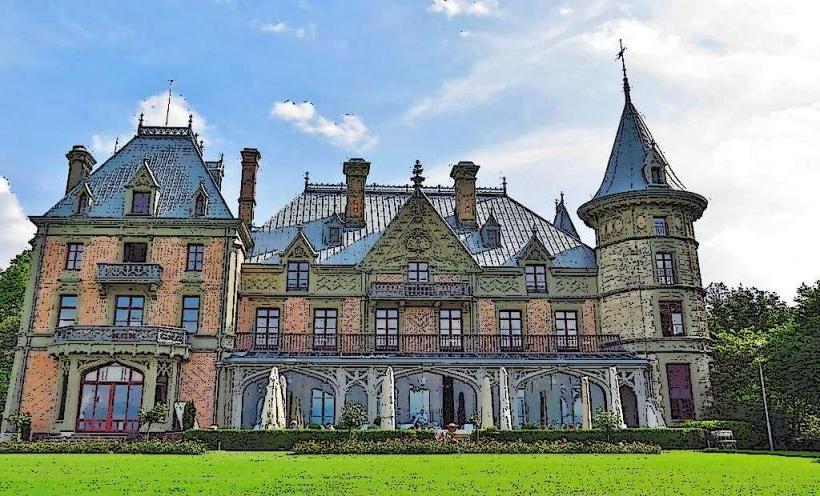
The park is designed as an English landscape garden, featuring wide lawns, winding paths, and over 300 species of native and exotic trees, including massive oaks, magnolias, and ginkgos. The Oos River, with its stone-lined banks and decorative wrought-iron bridges, runs parallel to the promenade. The Allee is bordered by grand 19th-century villas and several prominent cultural institutions.
Location & Access Logistics
Located along the Oos River, stretching from the Goetheplatz (near the Kurhaus) to the Lichtenthal Abbey.
Public Transit: Accessible via multiple bus lines to stops "Kurhaus," "Augustaplatz," or "Bertholdplatz."
Access: Public park; accessible 24/7.
Admission: Free.
Parking: Use "Parkhaus Kurhaus" or "Parkhaus Augustaplatz."
Historical Origin
Origins date to 1655 as a simple path between the town and the Cistercian abbey. It was transformed into a sophisticated promenade between 1850 and 1870 at the direction of the casino tenant Edouard Bénazet. It became the central social stage for the European nobility during the "Belle Époque," serving as the quintessential "summer capital of Europe."
Key Highlights & Activities
Gönneranlage: A specialized rose garden featuring over 400 varieties and numerous fountains and sculptures.
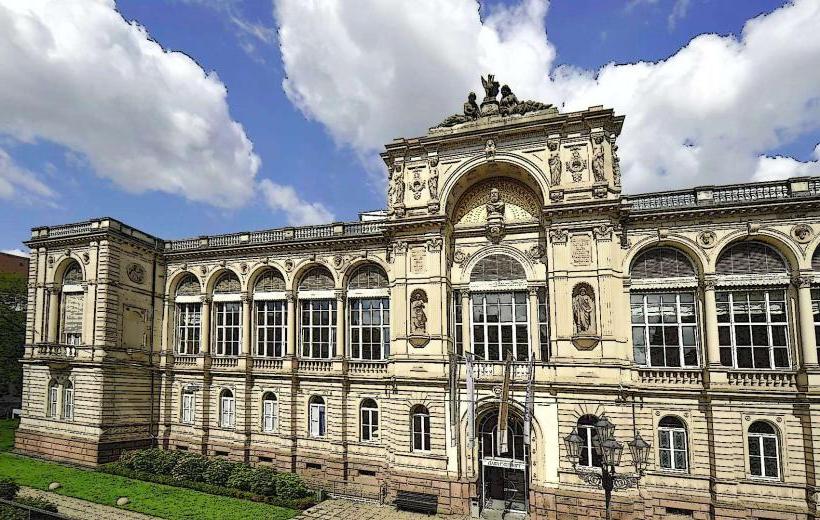
Museum Mile: The Allee connects the Staatliche Kunsthalle, the Museum Frieder Burda, and the Stadtmuseum.
Bénazet Pavilion: A historic wrought-iron music pavilion used for outdoor concerts.
Flora: Exceptional displays of rhododendrons and azaleas during the spring months.
Bellevue Mirror: A scenic section of the river that creates high-fidelity reflections of the surrounding architecture.
Infrastructure & Amenities
The pathways are wide, level, and paved with fine gravel, making the entire length fully wheelchair and stroller accessible. Benches are situated at regular intervals. Public restrooms are located near the museums and the Gönneranlage. 5G signal is consistent throughout the park.
Best Time to Visit
April to May: For the blooming of magnolias, rhododendrons, and azaleas.
June to July: For peak rose season in the Gönneranlage.
Autumn: For the intense foliage color of the diverse deciduous tree collection.
Facts & Legends
A technical oddity is the micro-climate created by the Oos River and the dense tree canopy, which keeps the Allee significantly cooler than the surrounding urban streets during summer. Legend states that Queen Augusta of Prussia was so fond of the promenade that she influenced its expansion to mirror the royal gardens in Berlin and Potsdam.
Nearby Landmarks
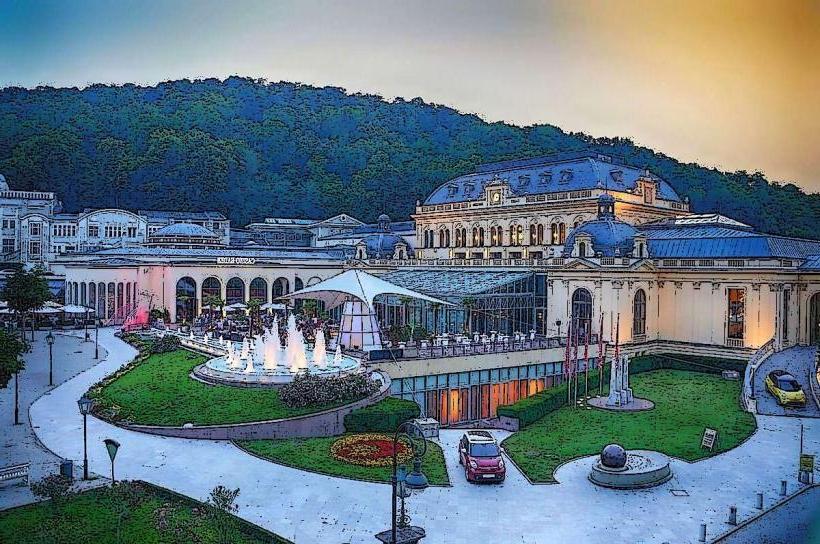
Kurhaus & Casino – Northern terminus
Frieder Burda Museum – 0.3km from northern start
Lichtenthal Abbey – Southern terminus
Mount Merkur Funicular – 2.0km East