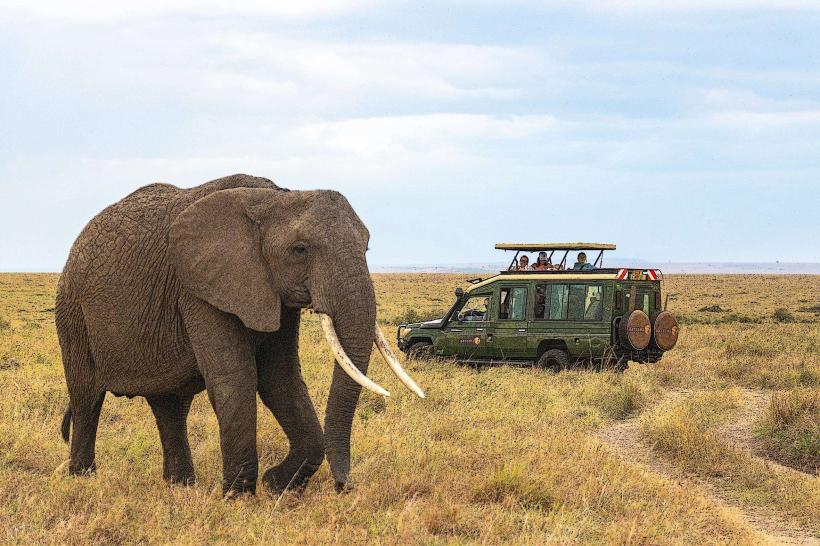
Landmark: Maasai Mara National Reserve
City: Narok
Country: Kenya
Continent: Africa
Maasai Mara National Reserve, Narok, Kenya, Africa
The Maasai Mara National Reserve is a large protected area in southwestern Kenya, bordering Tanzania.
It is renowned for its significant populations of wildlife and its role in the annual Great Migration.
Visual Characteristics
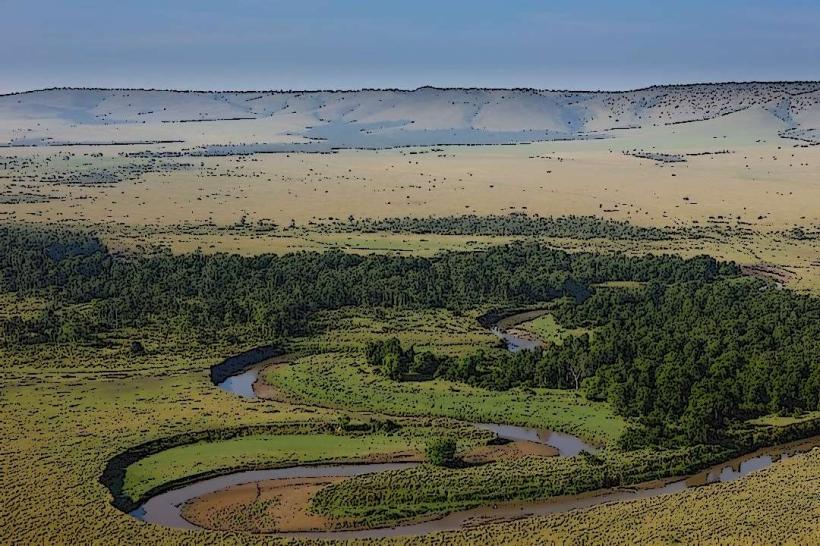
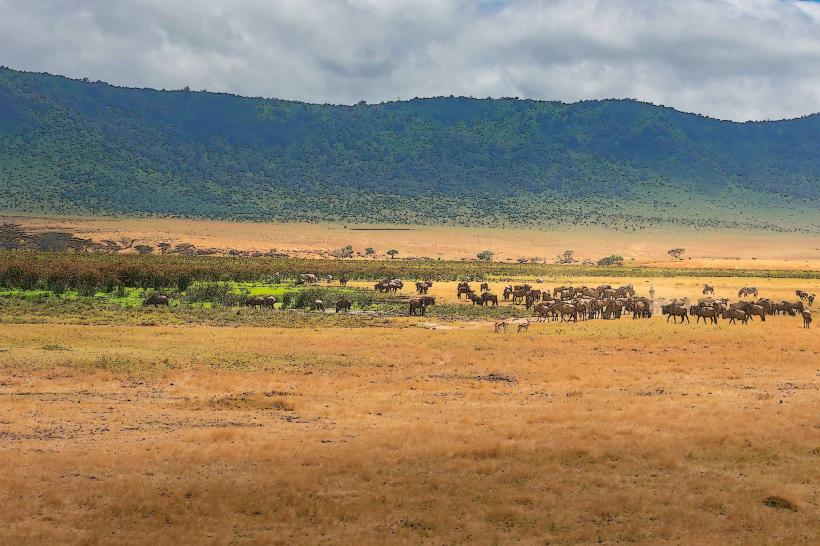
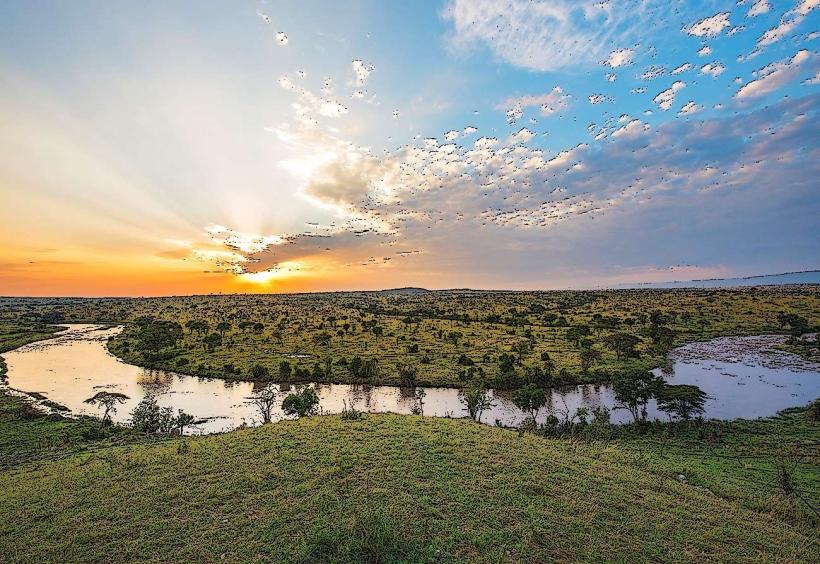
The reserve consists of rolling grasslands, acacia woodlands, and riverine forests. The dominant vegetation is savanna grass, interspersed with scattered acacia trees. The Mara River bisects the reserve, featuring a wider floodplain in the central and southern areas. Wildlife sightings are common across the open plains.
Location & Access Logistics
The Maasai Mara National Reserve is located approximately 250 kilometers west of Nairobi. Access is primarily via the A8 road towards Narok, then continuing on unpaved roads to the reserve entrances. Several airstrips are available for light aircraft transfers from Nairobi (Wilson Airport), including Mara Serena Airstrip, Keekorok Airstrip, and Musiara Airstrip. Driving time from Nairobi is typically 5-6 hours. Parking is available at designated lodges and campsites within and around the reserve.
Historical & Ecological Origin
The Maasai Mara was established as a wildlife sanctuary in 1961 and later became a National Reserve. Its ecological significance lies in its position within the Serengeti-Mara ecosystem, supporting a vast array of mammal species. The reserve is a critical component of the Great Migration, where millions of wildebeest, zebras, and gazelles move between the Serengeti and the Maasai Mara in search of grazing land.
Key Highlights & Activities
Game drives are the primary activity, with opportunities to observe the "Big Five" (lion, leopard, elephant, rhino, buffalo). Birdwatching is also a significant activity, with over 450 recorded species. Hot air balloon safaris offer aerial views of the landscape and wildlife. Walking safaris are permitted in specific areas with armed rangers. The Great Migration, typically occurring from July to October, is a major draw.
Infrastructure & Amenities
Lodges and tented camps within and bordering the reserve provide accommodation, dining, and guided safari services. Restrooms are available at lodges, camps, and some designated picnic sites. Shade is provided by acacia trees and lodge structures. Cell phone signal (4G/5G) is generally available in and around lodges and camps, but can be intermittent in remote areas. Food vendors are typically found at lodges and camps; external food services are limited within the reserve itself.
Best Time to Visit
The best time for wildlife viewing, particularly for the Great Migration, is from July to October. The dry season (June to October) offers clearer game viewing as animals congregate around water sources. For birdwatching, the period from November to April is optimal. Photography is best in the early morning and late afternoon for softer light and animal activity.
Facts & Legends
The Maasai Mara is home to the Maasai people, an indigenous ethnic group known for their pastoralist traditions and distinctive red clothing. A specific tip for visitors is to be aware of the seasonal movements of the wildebeest and zebra herds, as this dictates the best locations for viewing the migration river crossings.
Nearby Landmarks
- Oloololo Gate: 10km West (Reserve Entrance)
- Talek River: 5km North (River within the reserve)
- Olololo Escarpment: 15km Southwest (Geological feature)
- Muskwa River: 8km East (River within the reserve)
- Narok Town: 100km Northeast (Nearest major town)