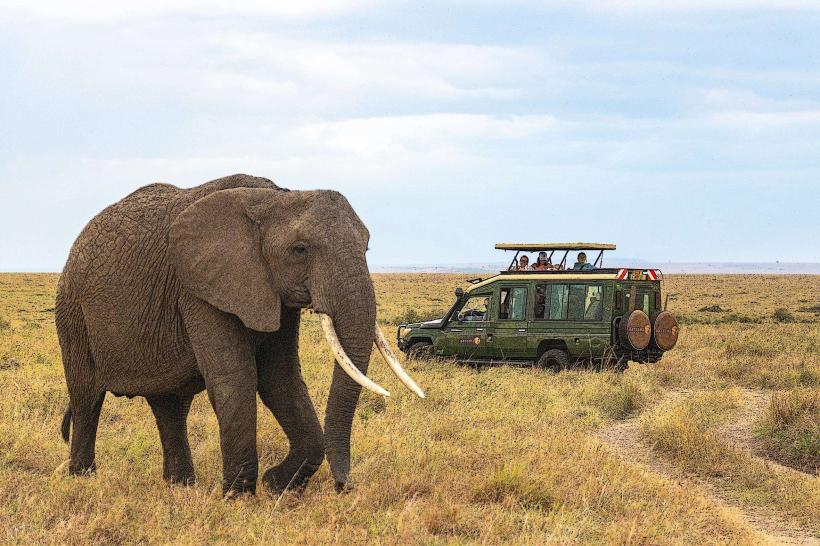
Landmark: Olare Orok Conservancy
City: Narok
Country: Kenya
Continent: Africa
Olare Orok Conservancy, Narok, Kenya, Africa
Olare Orok Conservancy is a protected wildlife area situated in the Maasai Mara ecosystem, approximately 250 kilometers west of Nairobi, Kenya.
Visual Characteristics
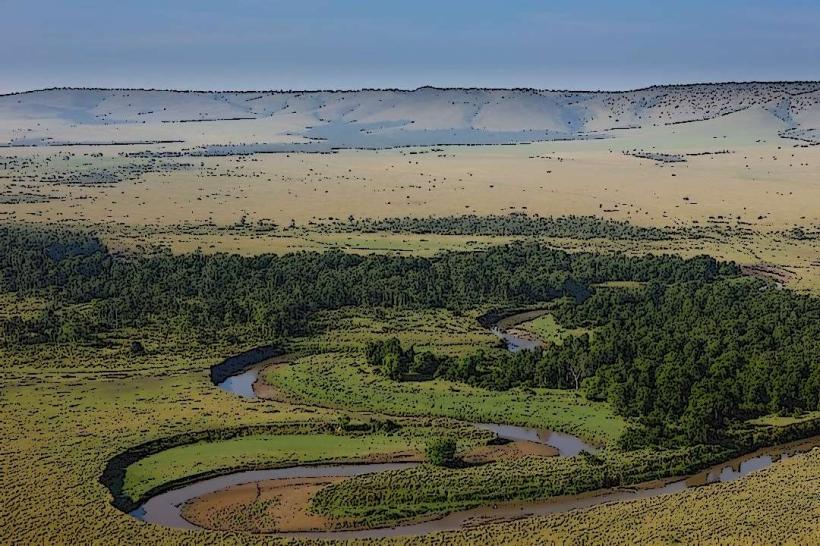
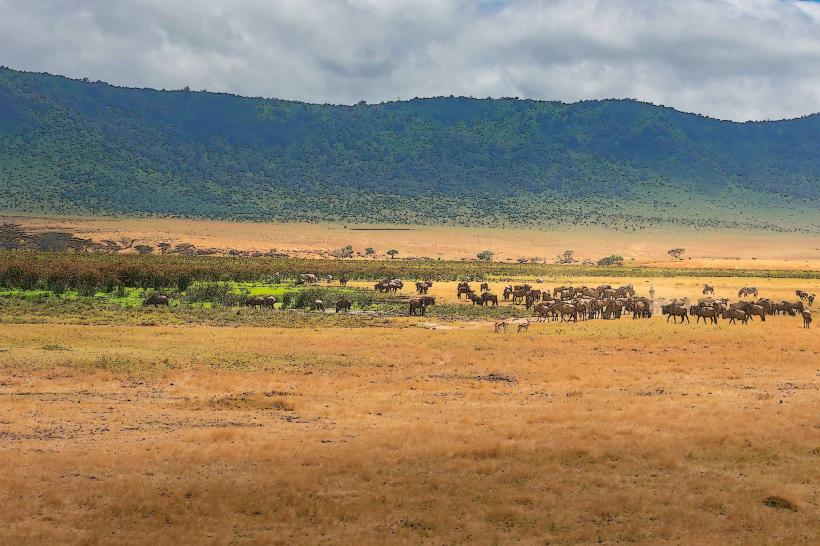
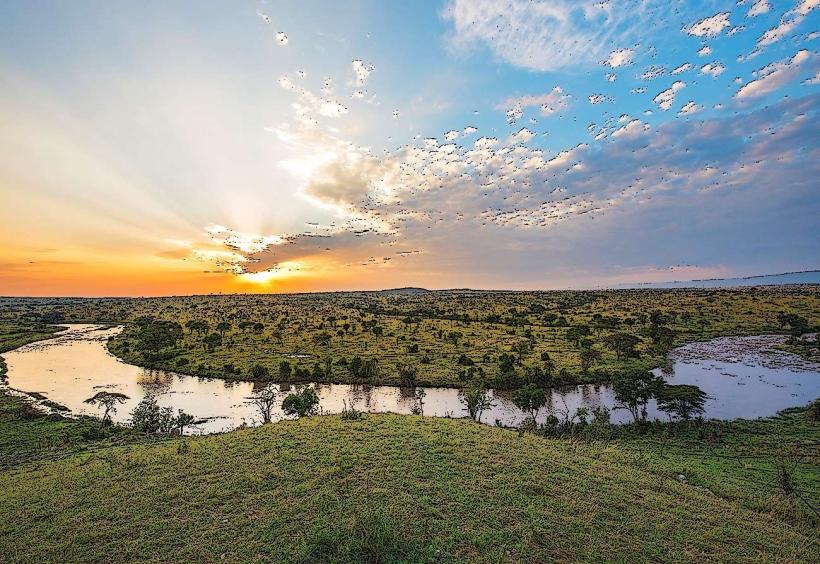
The conservancy features rolling grasslands interspersed with acacia woodlands and seasonal riverine forests. The terrain is generally flat to gently undulating, with the Olare Orok River forming a prominent watercourse. Vegetation density varies seasonally, becoming more sparse during the dry months and lush after rainfall.
Location & Access Logistics
Access is primarily via the A104 highway from Nairobi, transitioning to unpaved roads leading into the conservancy. The nearest major town is Narok, approximately 60 kilometers east. Private airstrips within or near the conservancy facilitate access via light aircraft from Wilson Airport (NBO) in Nairobi. Road access requires a 4x4 vehicle, especially during the rainy season. Parking is available at designated lodges and camps within the conservancy.
Historical & Ecological Origin
Olare Orok Conservancy was established as a community-owned conservancy, with land leased from local Maasai communities. Its ecological origin is part of the larger Maasai Mara ecosystem, a savanna grassland environment supporting a high density of wildlife, particularly during the Great Migration. The conservancy plays a crucial role in wildlife corridors and habitat protection.
Key Highlights & Activities
Activities include game drives (day and night), guided walking safaris, bird watching, and cultural visits to Maasai villages. Wildlife viewing focuses on the "Big Five" (lion, leopard, elephant, rhino, buffalo) and a wide array of other mammals and avian species. Photography is a primary activity due to the open landscapes and abundant wildlife.
Infrastructure & Amenities
Accommodation is provided by several eco-lodges and tented camps, which typically offer full board and guided activities. Restrooms and basic amenities are available at these lodges. Cell phone signal is generally weak to non-existent within the conservancy, with satellite phones used for communication by lodges. Food vendors are not present outside of the established camps.
Best Time to Visit
The best time for wildlife viewing is during the dry season, from June to October, when animals congregate around water sources and the Great Migration passes through. The period from December to March also offers good viewing opportunities. Photography is optimal during the early morning and late afternoon hours when the light is softer and animal activity is higher.
Facts & Legends
A specific management strategy in Olare Orok involves a low-density tourism model, with a maximum of six vehicles per wildlife sighting, aimed at minimizing disturbance to animals and enhancing the visitor experience. This contrasts with higher-density areas in the adjacent Maasai Mara National Reserve.
Nearby Landmarks
- Maasai Mara National Reserve (Adjacent, West)
- Talek River (10km South-West)
- Oloololo Escarpment (15km South)
- Mara River (20km East)
- Muskrat River (5km North-West)