Landmark: Marble Beach
City: Trincomalee
Country: Sri Lanka
Continent: Asia
Marble Beach, Trincomalee, Sri Lanka, Asia
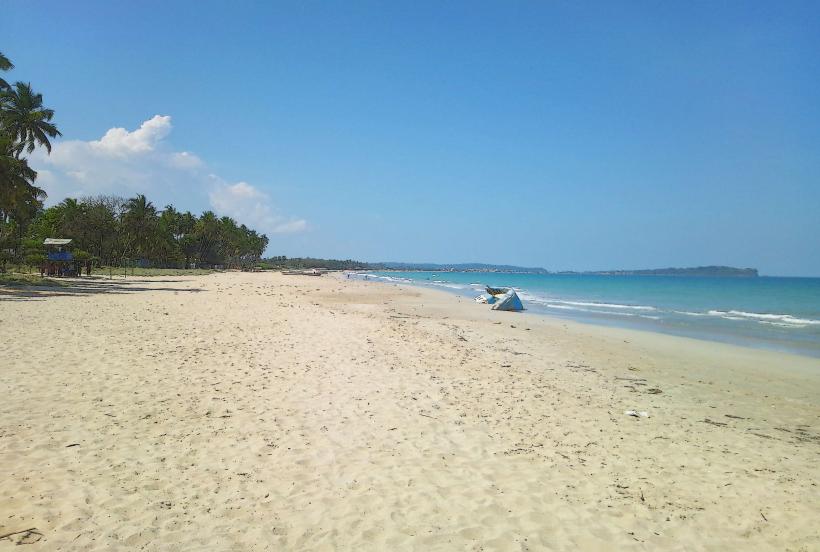
Marble Beach is a coastal area situated in Trincomalee, Sri Lanka. It is characterized by its distinct geological features and proximity to the Indian Ocean.
Visual Characteristics
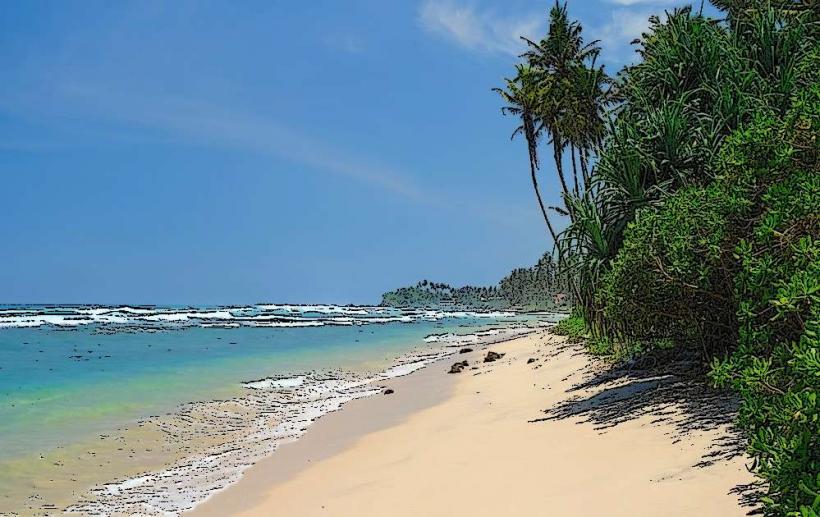
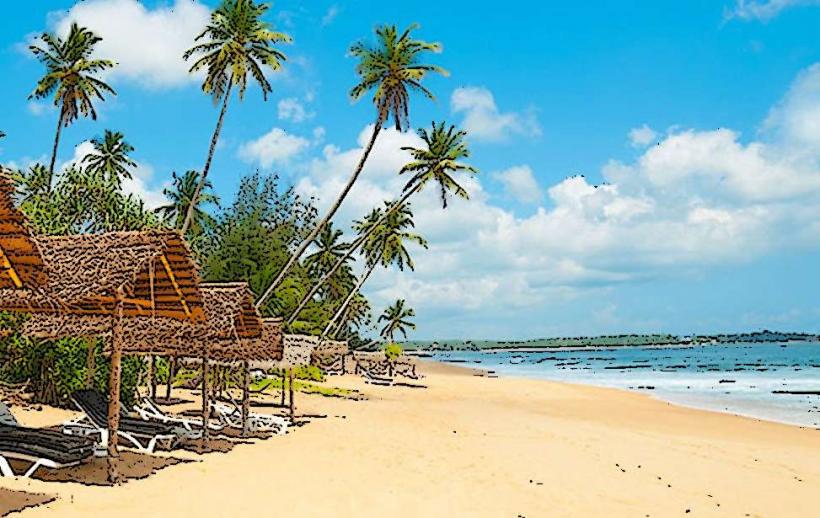
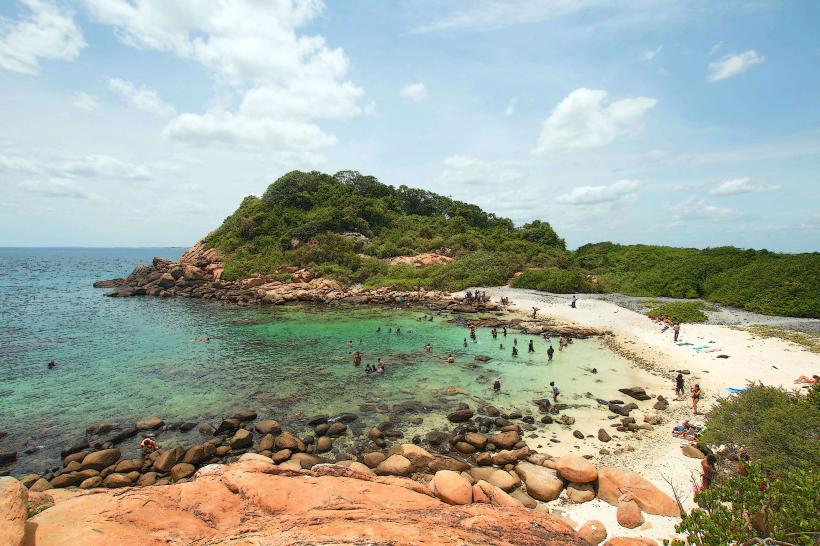
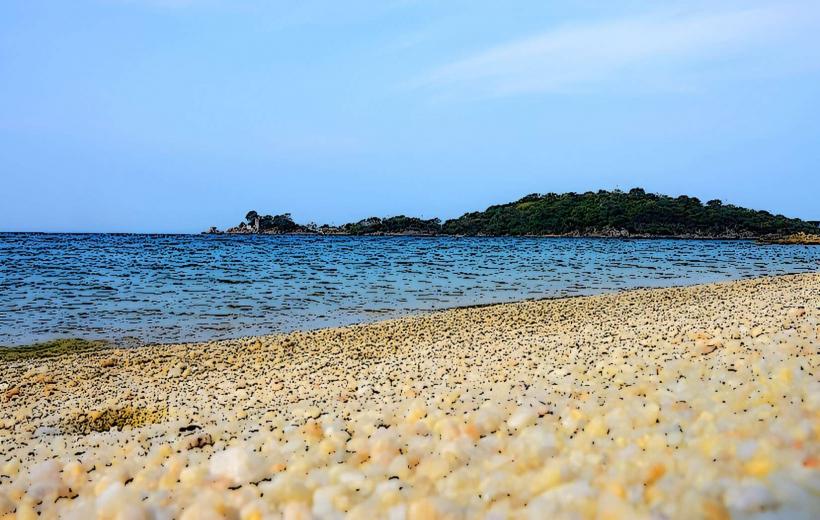
The beach features fine, white sand. The water exhibits a clear, light blue hue, transitioning to deeper blues further offshore. Rocky outcrops are present along the shoreline, composed of metamorphic rock, primarily gneiss. Vegetation, including palm trees and scrub, borders the sandy area.
Location & Access Logistics
Marble Beach is located approximately 10 kilometers southwest of Trincomalee town center. Access is via the Trincomalee-Kandy Road (A6), turning onto Marble Beach Road. Parking is available in designated areas adjacent to the beach. Public bus routes serving Trincomalee may stop near the turn-off for Marble Beach Road; local tuk-tuks provide onward transport.
Historical & Ecological Origin
The geological formations at Marble Beach are part of the Highland Group metamorphic rocks, dating back to the Precambrian era. These rocks were formed under high pressure and temperature conditions. The beach itself is a result of coastal erosion and sediment deposition.
Key Highlights & Activities
Swimming is permitted in designated areas. Observation of marine life from the shore is possible. Walking along the coastline is a primary activity. Photography of the rock formations and ocean views is common.
Infrastructure & Amenities
Restrooms are available at a small facility near the parking area. Limited shade is provided by natural vegetation. Cell phone signal (4G) is generally available. Small food stalls operated by local vendors are present during daylight hours.
Best Time to Visit
The best time for photography is during the early morning or late afternoon when the sun angle provides softer light on the rocks and water. The dry season, from December to March, offers the most favorable weather conditions with minimal rainfall. High tide can reduce the visible sandy area.
Facts & Legends
Local lore suggests that the smooth, white appearance of the rocks, resembling marble, is due to ancient sea spirits polishing them over centuries. Geologically, the "marble-like" appearance is due to the crystalline structure of the gneiss.
Nearby Landmarks
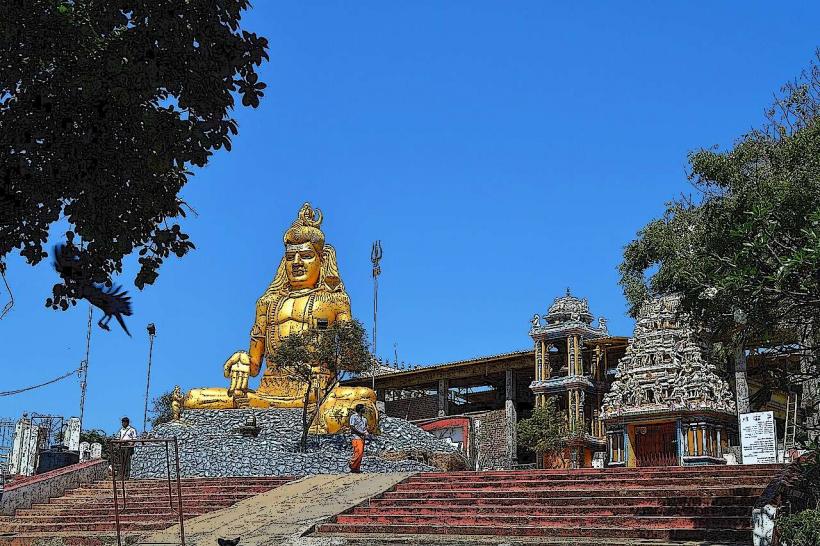
- Koneswaram Temple (4.5km Northeast)
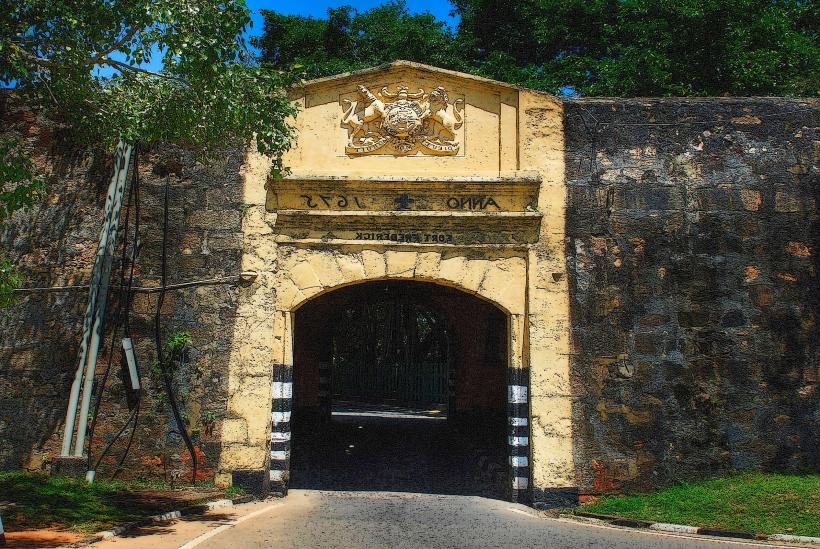
- Fort Frederick (5km Northeast)
- Trincomalee War Cemetery (6km Northeast)
- Nilaveli Beach (12km North)