Landmark: Seruwila Mangala Raja Maha Viharaya
City: Trincomalee
Country: Sri Lanka
Continent: Asia
Seruwila Mangala Raja Maha Viharaya, Trincomalee, Sri Lanka, Asia
Seruwila Mangala Raja Maha Viharaya is a Buddhist temple located in the Trincomalee District of Sri Lanka.
This religious site is situated approximately 30 kilometers south of Trincomalee town.
Visual Characteristics
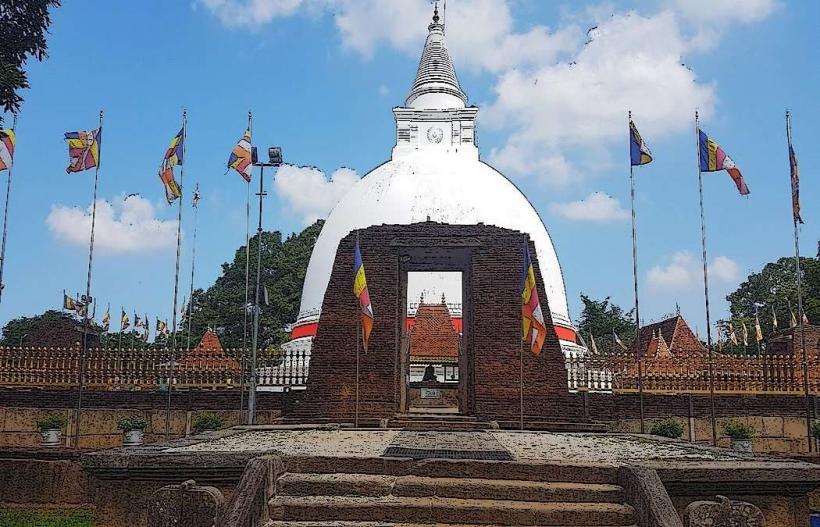
The central stupa is constructed from brick and is whitewashed. It is surrounded by a paved courtyard and smaller monastic buildings. The site is situated within a dense forest environment.
Location & Access Logistics
Access to Seruwila Mangala Raja Maha Viharaya is via the A15 (Trincomalee-Batticaloa) road. Turn off onto the local road signposted for Seruwila. The site is approximately 30 kilometers from Trincomalee city center. Parking is available on-site in a designated gravel area. Public transport options are limited; local buses operate along the A15, requiring a transfer to a tuk-tuk or taxi for the final approach to the temple.
Historical & Ecological Origin
The temple is believed to house the relic of the forehead bone of the Buddha, making it a significant pilgrimage site. Historical records suggest its origins date back to the 2nd century BCE, though it has undergone numerous reconstructions over centuries. The surrounding area is characterized by tropical dry forest ecosystems.
Key Highlights & Activities
Pilgrims and visitors can observe the main stupa and circumambulate the sacred relics. Meditation is practiced within the temple grounds. The site is primarily a place of religious observance.
Infrastructure & Amenities
Basic restroom facilities are available for visitors. Shade is provided by trees within the temple complex. Cell phone signal (4G) is generally available. No food vendors are located directly on-site; provisions should be made before arrival.
Best Time to Visit
The best time of day for visiting is in the cooler morning hours, between 7:00 AM and 10:00 AM, or in the late afternoon from 3:00 PM to 5:00 PM. The dry season, from May to September, offers the most favorable weather conditions. No specific tide requirements are applicable.
Facts & Legends
Legend states that King Kavantissa enshrined the Buddha's forehead relic here after the Buddha's passing. A unique tip for visitors is to observe the intricate carvings on the older sections of the temple, which offer insights into ancient Sri Lankan art and Buddhist iconography.
Nearby Landmarks
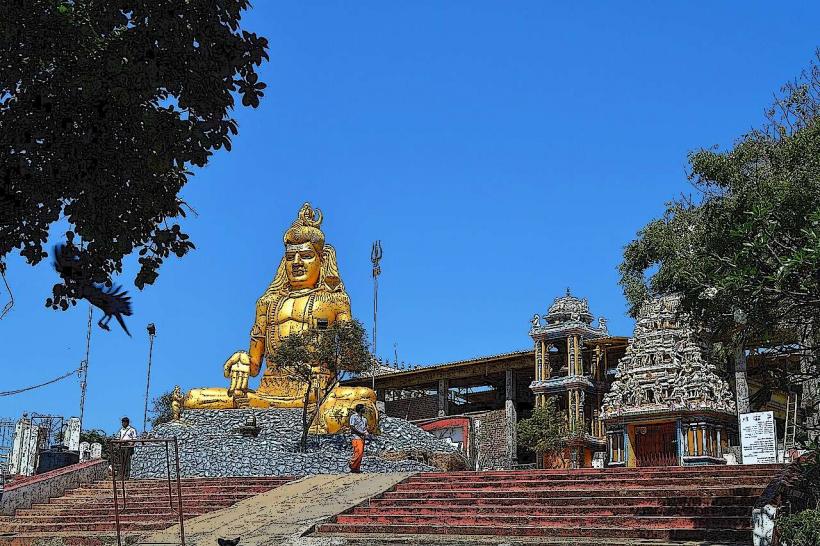
- Koneswaram Temple (28km North)
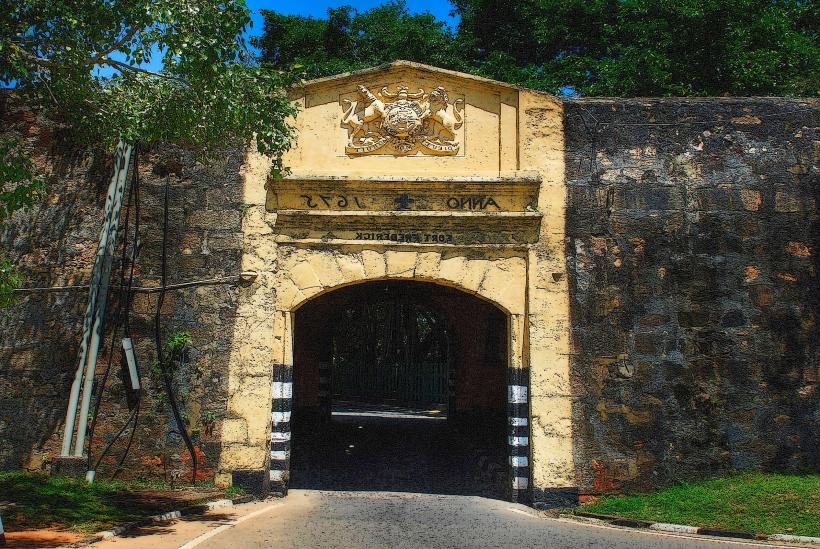
- Fort Frederick (29km North)
- Trincomalee War Cemetery (27km North)
- Kanniya Hot Springs (32km North)