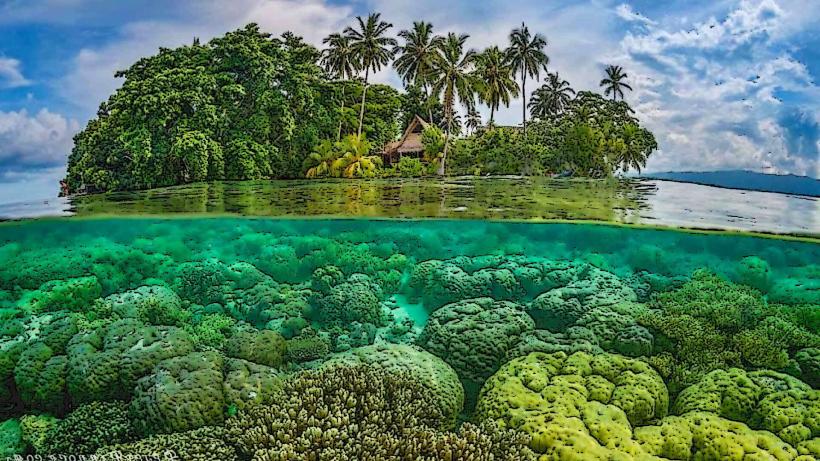
Landmark: Marovo Lagoon
City: Western Province
Country: Solomon Islands
Continent: Australia
Marovo Lagoon, Western Province, Solomon Islands, Australia
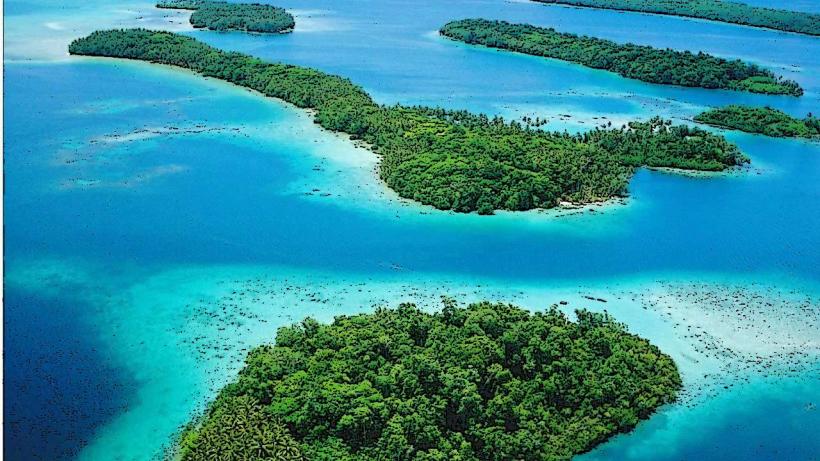
Marovo Lagoon is a large saltwater lagoon located in the Western Province of the Solomon Islands. It is recognized as the world's largest double-barrier lagoon.
Visual Characteristics
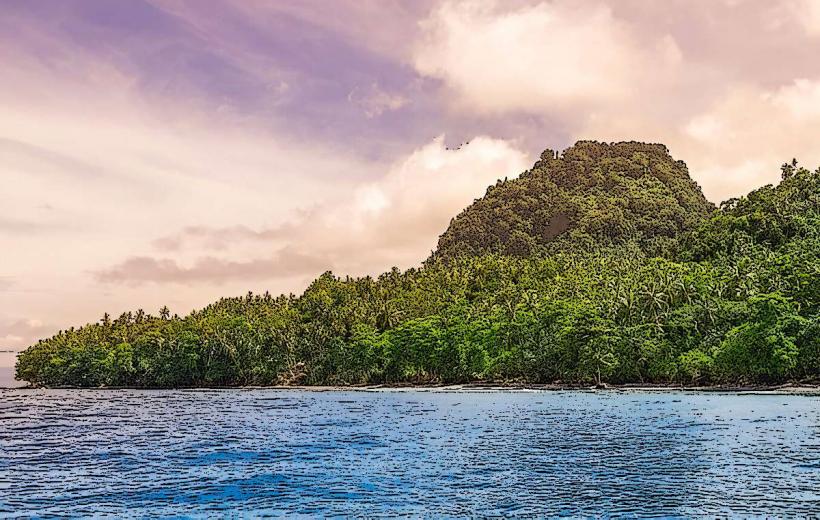
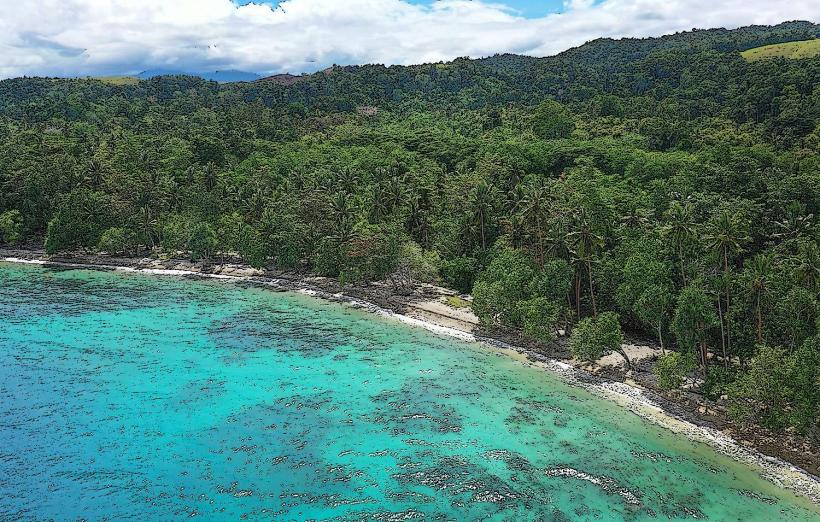
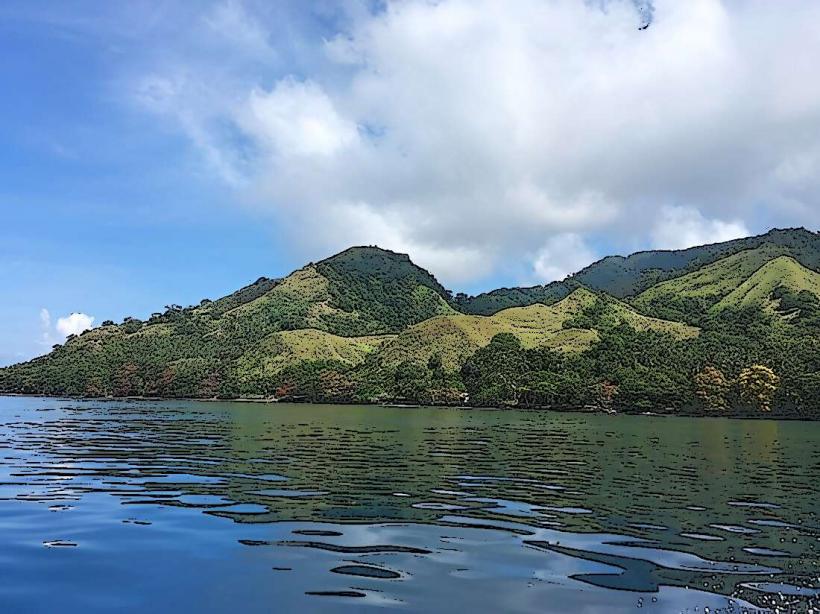
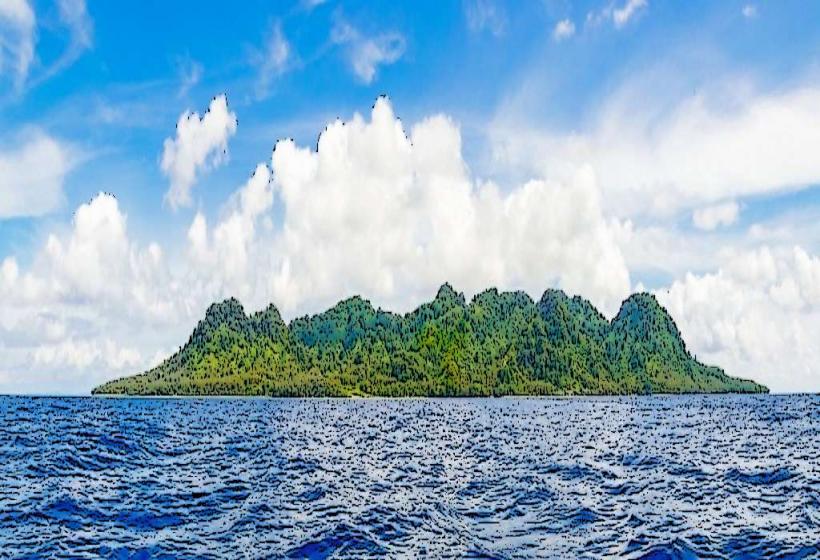
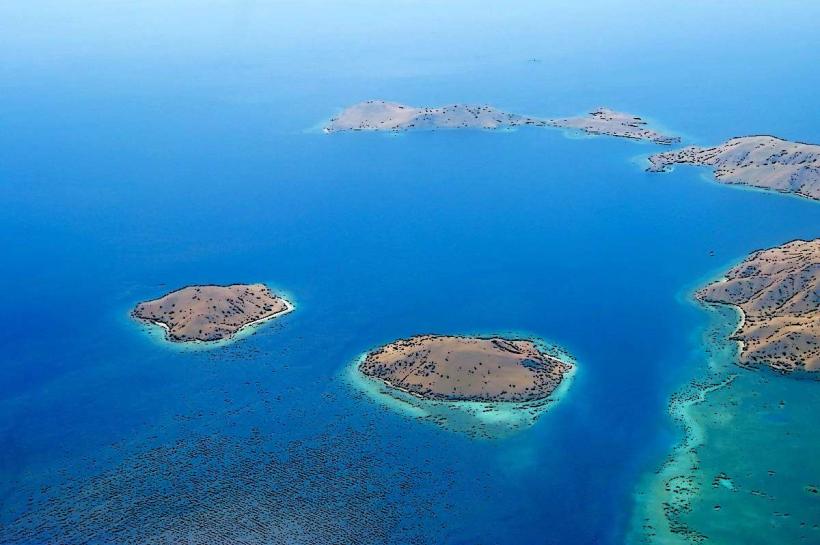
The lagoon's water exhibits varying shades of blue and green, influenced by depth and seabed composition. Its surface is dotted with numerous small islands, many covered in dense tropical rainforest vegetation. The lagoon is bordered by extensive coral reefs, forming a double barrier structure.
Location & Access Logistics
Marovo Lagoon is situated on the island of New Georgia. Access is primarily via Munda Airport (MUND) on New Georgia, followed by boat transfer. Direct boat transfers from Munda to villages within the lagoon can take between 1 to 3 hours, depending on the destination. There are no public roads directly accessing the lagoon's interior. Local boat operators provide transport services.
Historical & Ecological Origin
Marovo Lagoon is a geologically significant feature, formed by the subsidence of volcanic landmasses and the subsequent growth of extensive coral reef systems. Its double-barrier structure is a result of complex reef development over millennia. The lagoon supports a rich marine ecosystem, characteristic of Indo-Pacific coral reef environments.
Key Highlights & Activities
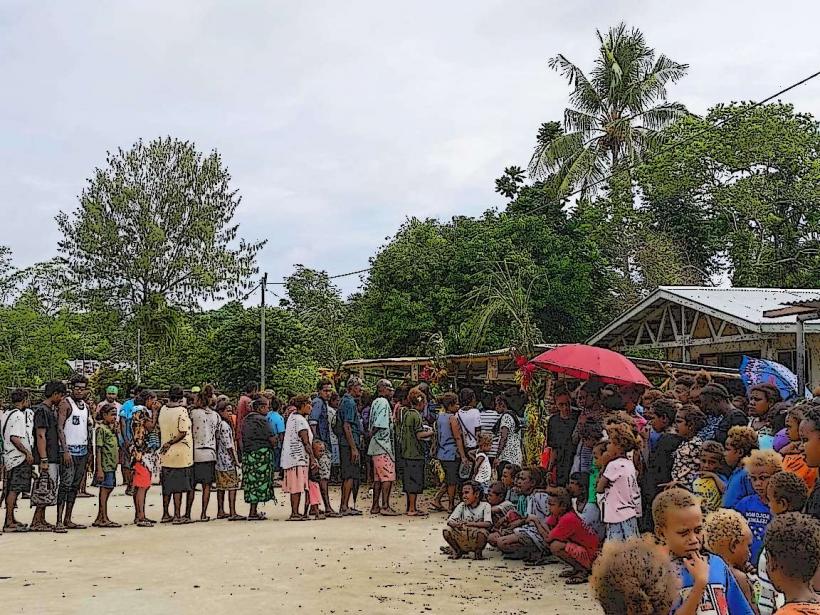
Activities include snorkeling and diving within the reef systems, observing marine life. Kayaking and paddleboarding are possible in calmer areas of the lagoon. Village visits to local communities offer insight into traditional Solomon Islands culture. Birdwatching is also a notable activity due to the diverse avian population in the surrounding rainforests.
Infrastructure & Amenities
Basic infrastructure exists in the form of small villages and eco-lodges scattered around the lagoon. Restrooms are typically available at accommodation sites. Shade is provided by natural tree cover and structures at lodges. Cell phone signal is intermittent and generally weak, with 4G/5G coverage being rare. Food vendors are limited to local villages and lodges, often requiring pre-arrangement.
Best Time to Visit
The dry season, from May to October, offers the most favorable weather conditions with reduced rainfall. The best time of day for underwater visibility is generally between 10:00 AM and 3:00 PM, when sunlight penetration is optimal. High tide is often preferred for accessing certain reef areas for snorkeling.
Facts & Legends
Local folklore speaks of ancient spirits residing within the lagoon's depths, influencing the tides and marine life. A specific point of interest is the "Blue Hole," a deep underwater sinkhole within the lagoon, rumored to have no bottom.
Nearby Landmarks
- Munda Airport (MUND) - 1.5km West
- Vonavona Lagoon - 8km Southwest
- Tetepare Island - 15km South
- Gizo Island - 30km Northwest