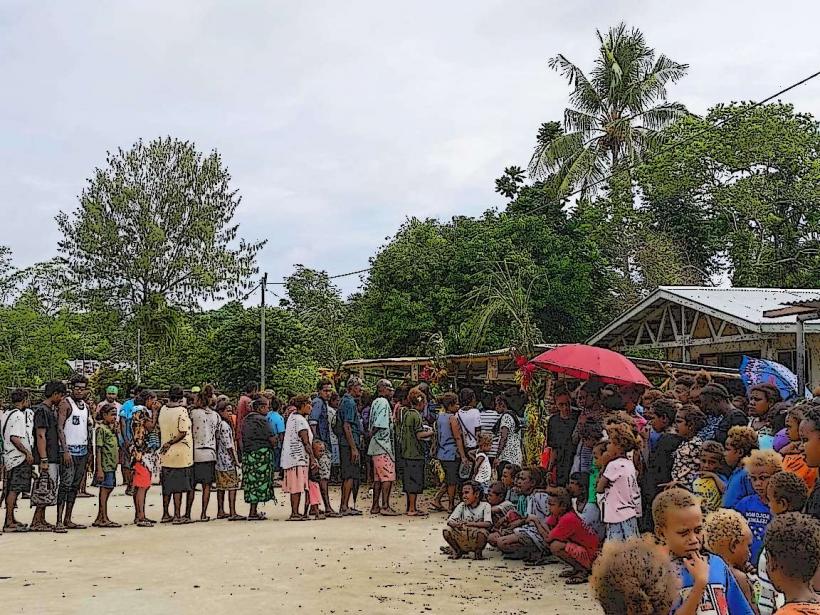
Landmark: Santa Ana Island
City: Western Province
Country: Solomon Islands
Continent: Australia
Santa Ana Island, Western Province, Solomon Islands, Australia
Santa Ana Island is a landmass situated in the Western Province of the Solomon Islands. It is geographically part of the larger Santa Cruz Islands archipelago.
Visual Characteristics
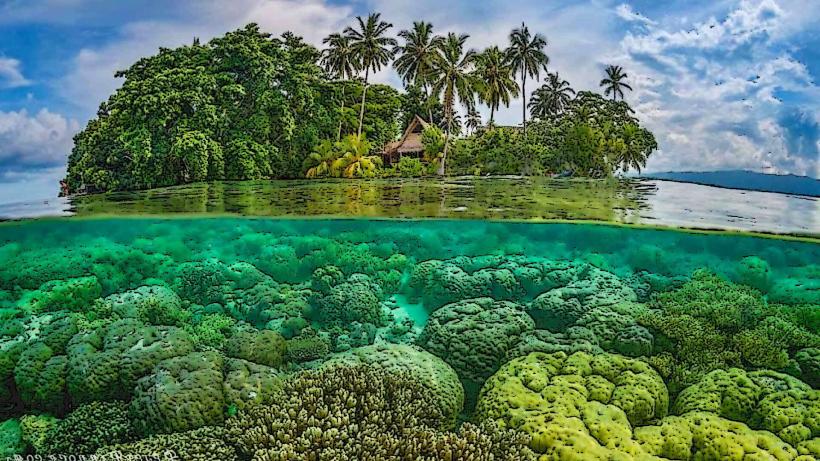
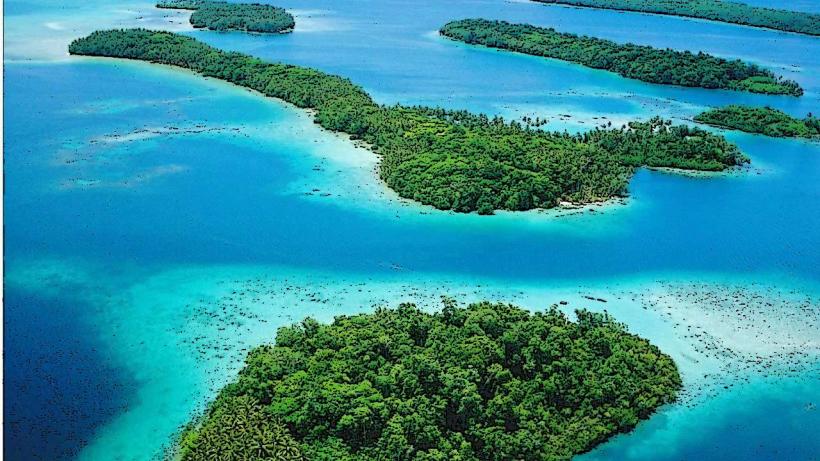
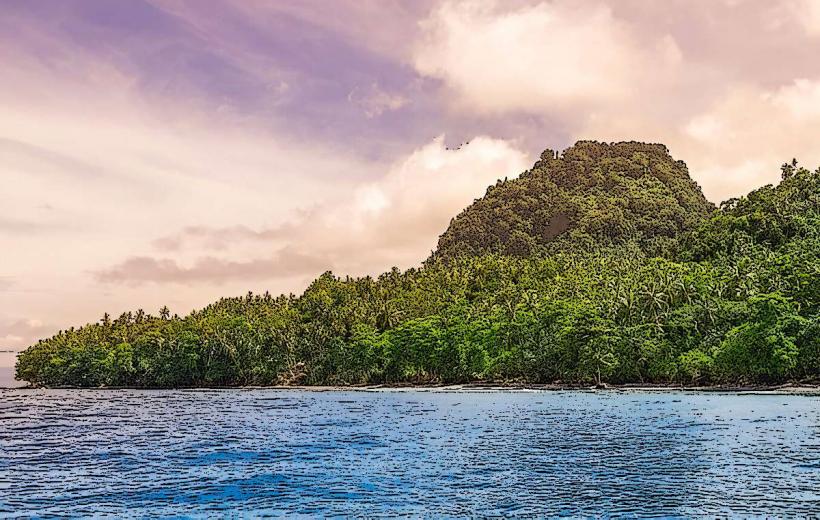
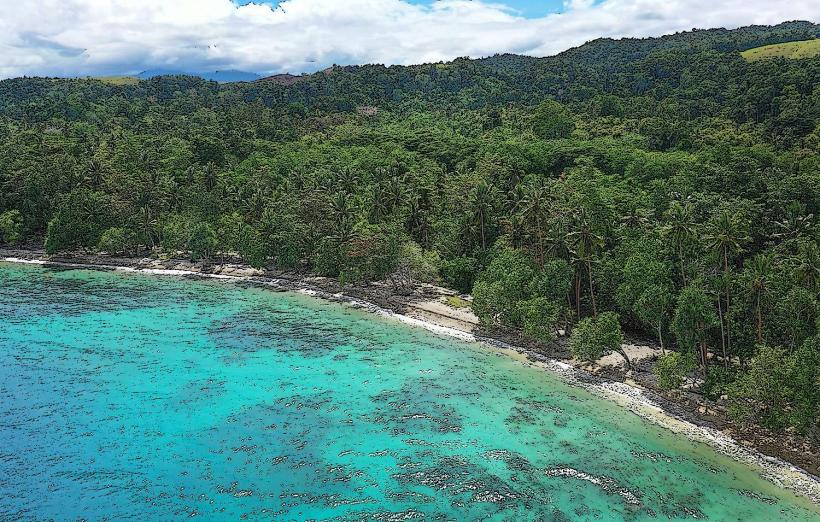
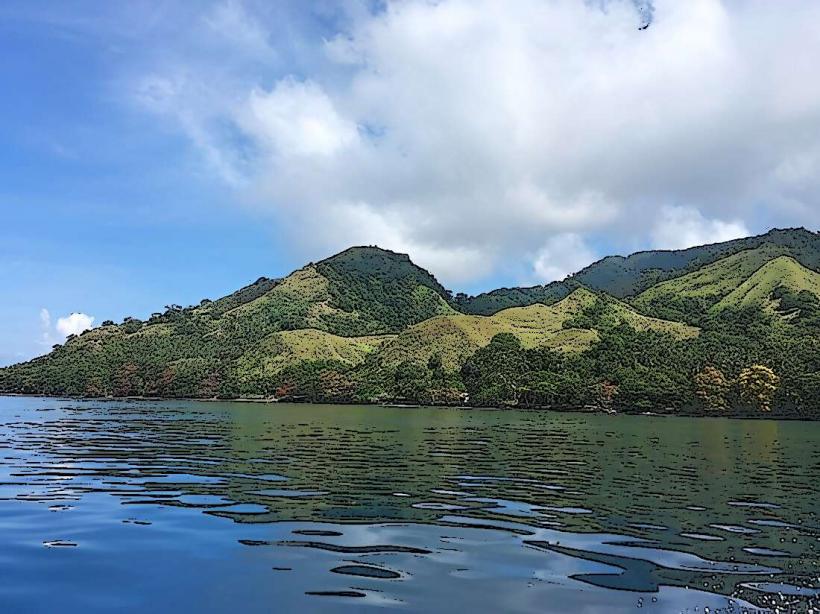
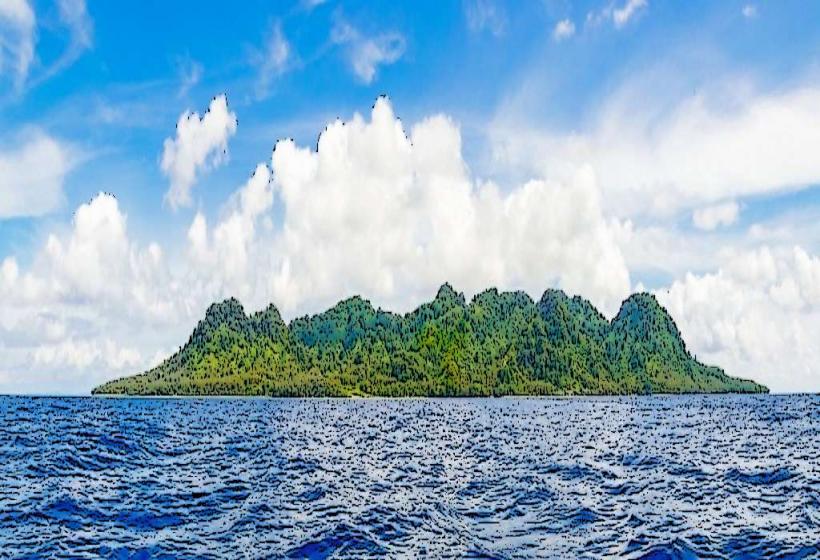
The island features a coastline composed of coral reefs and sandy beaches. Inland, the terrain rises to form volcanic hills covered in dense tropical rainforest. The water surrounding the island is typically clear, with varying shades of blue and green depending on depth and seabed composition.
Location & Access Logistics
Santa Ana Island is located approximately 20 kilometers east of the main island of Santa Cruz (Nendo). Access is primarily via boat from the provincial capital, Lata, on Nendo. This journey typically takes 1.5 to 2 hours depending on sea conditions. There are no established roads or vehicle access points on Santa Ana Island itself. Local boat operators can be hired in Lata for transfers. There is no dedicated parking facility; boats anchor offshore or at small jetties.
Historical & Ecological Origin
Santa Ana Island is of volcanic origin, formed by ancient lava flows and subsequent coral reef growth. The island's ecosystem is a tropical rainforest environment, supporting a diverse range of flora and fauna characteristic of Melanesian islands. Historically, the island has been inhabited by indigenous peoples for centuries, with evidence of early settlement patterns.
Key Highlights & Activities
Activities include snorkeling and diving around the coral reefs, particularly in the lagoon areas. Hiking trails exist through the rainforest, leading to higher elevations for panoramic views. Cultural interactions with the local communities are possible, often involving traditional village visits. Fishing is a common local activity.
Infrastructure & Amenities
Basic amenities are limited. There are no public restrooms or designated shade structures outside of the villages. Cell phone signal is generally unreliable and sparse. Food vendors are not present; visitors should arrange for their own provisions or inquire about local food availability in the villages.
Best Time to Visit
The dry season, from June to September, offers the most favorable weather conditions with reduced rainfall and calmer seas. The best time of day for underwater visibility is typically mid-morning to early afternoon when sunlight penetration is optimal. High tide is generally preferred for accessing certain reef areas.
Facts & Legends
Local folklore speaks of the island being guarded by ancestral spirits. A specific point of interest is the presence of ancient stone monoliths, the origins and purpose of which are subjects of ongoing archaeological study and local oral history.
Nearby Landmarks
- Santa Cruz Islands (Nendo) - 20km West
- Utupua Island - 40km Northwest
- Vanikoro Island - 60km Southwest