Information
Landmark: MkwajaCity: Tanga
Country: Tanzania
Continent: Africa
Mkwaja, Tanga, Tanzania, Africa
Mkwaja is a coastal village located in the Tanga Region of Tanzania. It is situated approximately 100 kilometers south of Tanga city.
Visual Characteristics
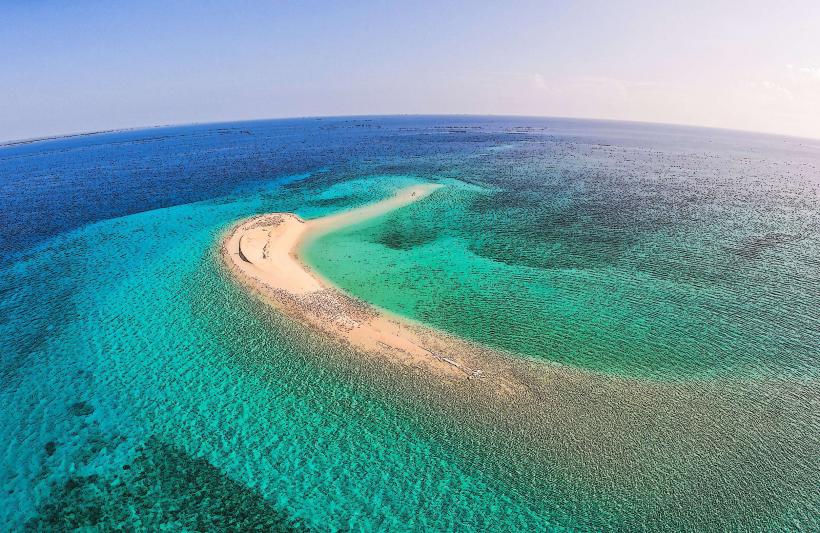
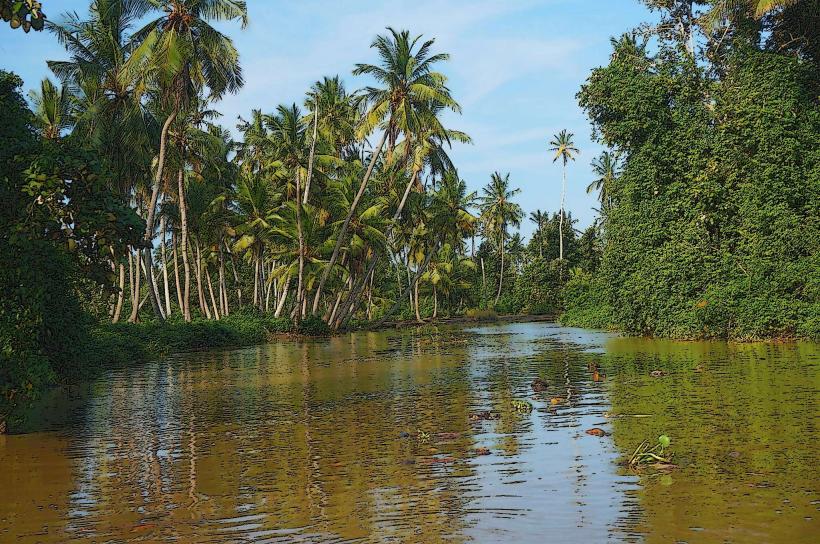
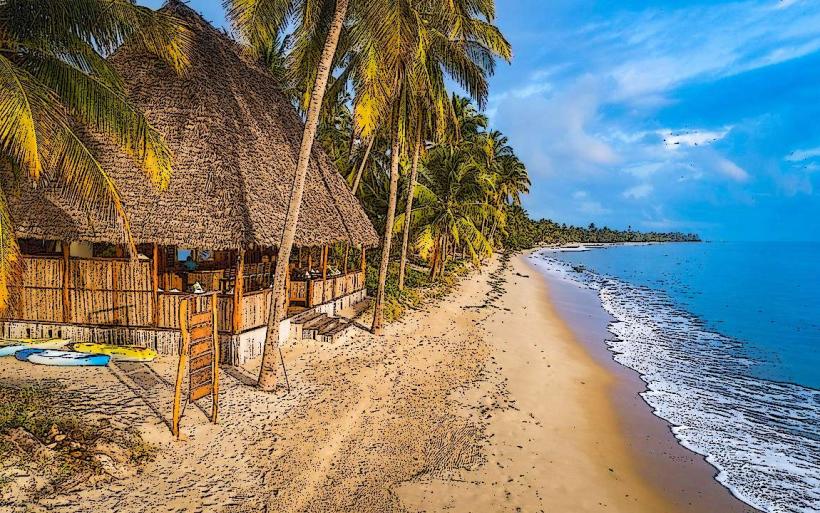
The coastline at Mkwaja is characterized by sandy beaches with a moderate gradient into the Indian Ocean. The water color varies from turquoise in shallow areas to deep blue further offshore. Coastal vegetation consists primarily of palm trees and scrub brush. The village itself comprises low-rise structures, predominantly built from concrete and corrugated iron roofing.
Location & Access Logistics
Access to Mkwaja is primarily via the Tanga-Pangani road. The turnoff for Mkwaja is approximately 90 kilometers south of Tanga city. From the main road, a dirt track of about 10 kilometers leads to the village. Vehicle access is possible for 2WD vehicles during the dry season, but 4WD is recommended, especially after rainfall. Public transport options are limited; local dala-dalas (minibuses) operate between Tanga and Pangani, with infrequent stops near the Mkwaja turnoff. There is no designated parking area; vehicles are typically parked on the sand near the village.
Historical & Ecological Origin
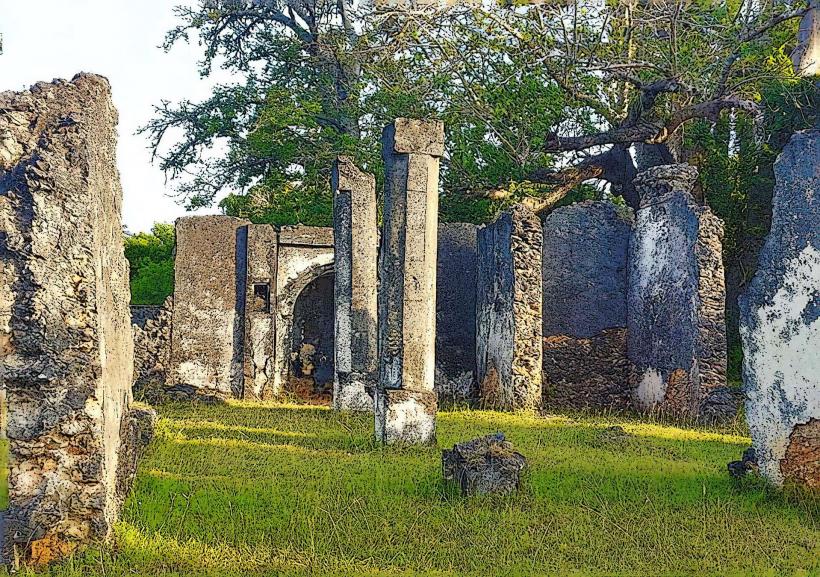
Mkwaja's historical significance is linked to its past as a small fishing and trading post. Archaeological evidence suggests intermittent human settlement in the area for centuries, likely tied to coastal trade routes. Ecologically, the area is part of the East African coral coast, with fringing reefs offshore contributing to marine biodiversity. The coastal environment is susceptible to erosion and changes in sea level.
Key Highlights & Activities
Activities at Mkwaja include swimming in the ocean, beachcombing, and observing local fishing practices. Boat trips for snorkeling or fishing can be arranged with local fishermen. Walking along the coastline provides views of the ocean and local life. The area is suitable for birdwatching, particularly shorebirds.
Infrastructure & Amenities
Basic amenities are available in Mkwaja village. There are a few small shops selling essential goods and local food stalls. Restrooms are not publicly available; visitors typically rely on facilities at guesthouses or arrange with locals. Shade is provided by natural vegetation and simple structures. Cell phone signal (2G/3G) is intermittent and can be unreliable.
Best Time to Visit
The best time to visit Mkwaja for favorable weather is during the dry seasons, from June to October and December to February. During these periods, rainfall is minimal. The sea is generally calmer during these months, making water activities more accessible. For photography, early morning and late afternoon offer softer light conditions.
Facts & Legends
A local legend speaks of a large, ancient baobab tree located inland from the village, said to be a resting place for spirits. While not officially documented, local elders sometimes share stories of its significance. The area is also known for its historical connection to dhow trade routes, with occasional remnants of old shipwrecks reported offshore.
Nearby Landmarks
- Pangani Town (15km Northwest)
- Mwera (25km South)
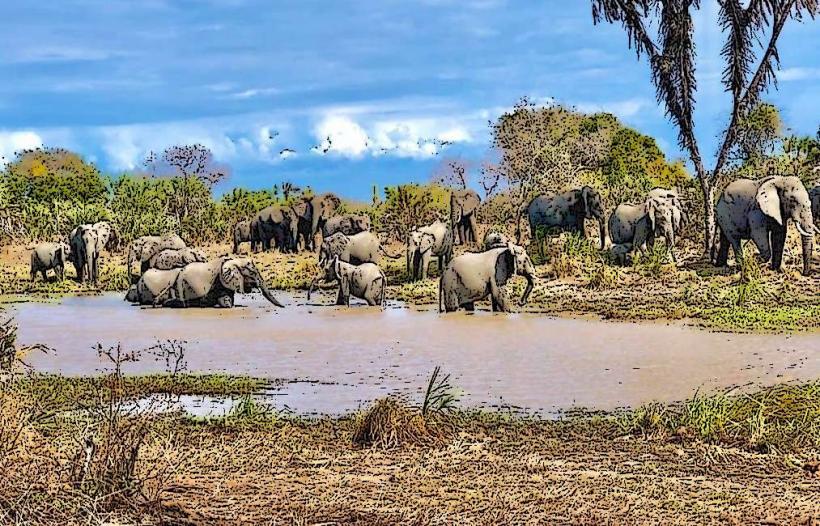
- Saadani National Park (40km Southwest)
- Tanga City (100km North)