Landmark: Mlawula Nature Reserve
City: Siteki
Country: Eswatini
Continent: Africa
Mlawula Nature Reserve, Siteki, Eswatini, Africa
The Mlawula Nature Reserve is a protected wilderness area and ecological conservancy situated along the western slopes of the Lebombo Mountains in the Lubombo region of eastern Eswatini. Covering roughly 16,500 hectares of diverse terrain, the reserve functions as a critical sanctuary for biodiversity, spanning a transitional ecozone between the dry lowveld plains and the high-altitude Lebombo plateau.
Visual Characteristics
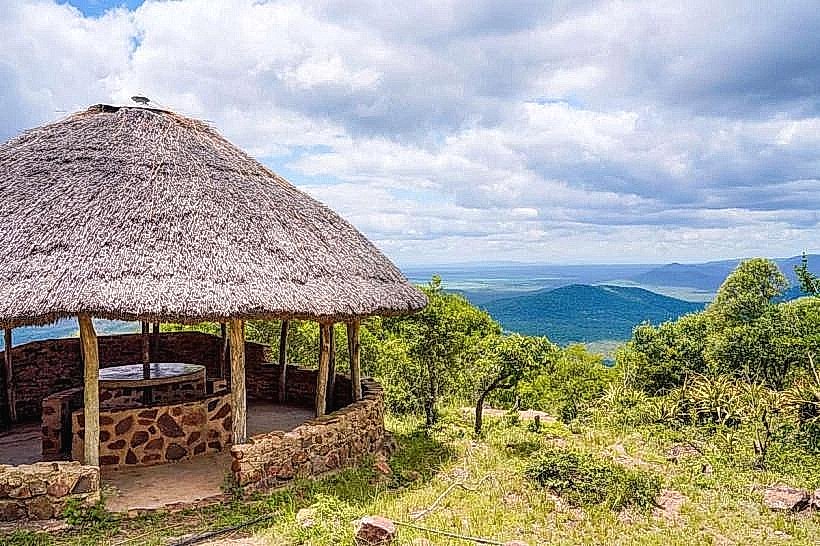
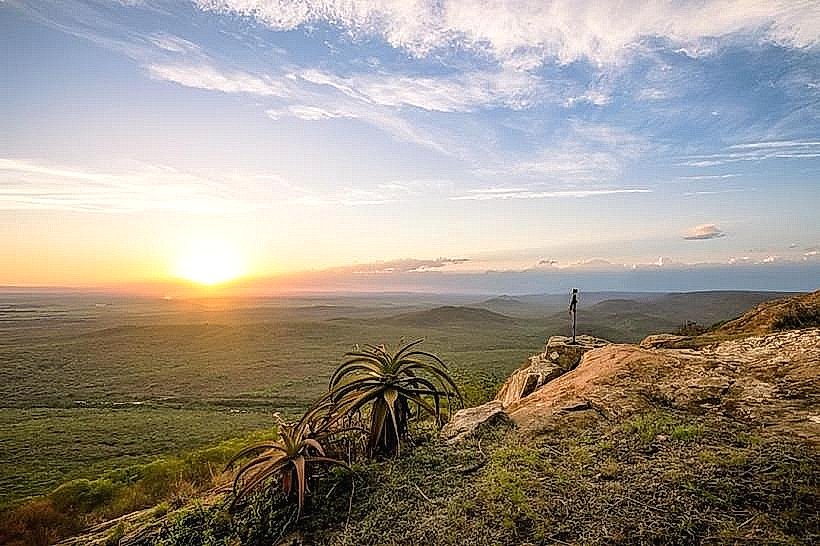
The reserve exhibits a stark, contrasting landscape that transitions from flat, dry acacia savannahs and clay plains in the west to steep basalt and rhyolite ridges in the east. The broad Mlawula and Black Mbuluzi rivers carve through deep rocky gorges, creating permanent pools surrounded by dense riverine thickets and weeping fig trees. Vegetation ranges from open ironwood woodlands and dense euphorbia forests to ironstone outcrops dotted with prehistoric cycads. The soil varies from rich black basaltic clays on the lowlands to weathered, dark-red gravel along the mountain ridges.
Location & Access Logistics
The reserve entrance is located off the paved MR3 highway, approximately 10 kilometers north of the Simunye intersection and roughly 35 kilometers north of Siteki. Drivers can easily reach the main gate via standard asphalt roads, though traversing the internal road network requires a high-clearance or four-wheel-drive vehicle due to unpaved, rutted dirt tracks and dry river crossings. Public transport passengers can take a northbound kombi or bus from Siteki or Manzini heading toward Simunye or Lomahasha, disembarking at the main Mlawula turn-off on the MR3, from which the remaining distance to the gate must be covered on foot or via local private transport. Secure unpaved parking is available at the main reception area and the Sara Camp administrative center.
Historical & Ecological Origin
Mlawula was established as a protected area in 1978 under the stewardship of the Eswatini National Trust Commission (ENTC) to preserve the unique transition zone between the Lowveld and the Lebombo ecosystems. The area contains an exceptionally long human history, with stone tool deposits along the Siphiso and Mlawula riverbeds indicating continuous hominid occupation extending back over 100,000 years from the Early Stone Age to the Iron Age. Ecologically, it sits within a recognized plant diversity hotspot, protecting endemic flora like the Encephalartos umbeluziensis cycad and over 350 species of regional birds.
Key Highlights & Activities
Self-guided wilderness hiking along managed trails, such as the Khabanyane and Siphiso routes, is a primary activity, allowing visitors to explore the Lebombo ridges on foot. Self-drive game viewing along the unpaved road network provides opportunities to spot leopards, hyaenas, wildebeest, zebras, kudus, and nyala. Bird-watching is exceptionally productive, particularly near the Siphiso Tower hide and along the riverine forests. Primitive camping and fishing for tigerfish or bream in designated stretches of the Black Mbuluzi River are also permitted.
Infrastructure & Amenities
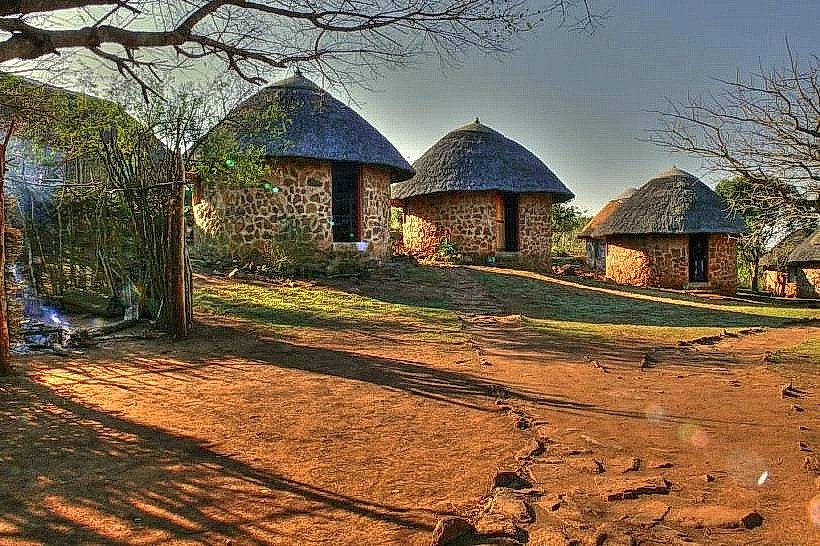
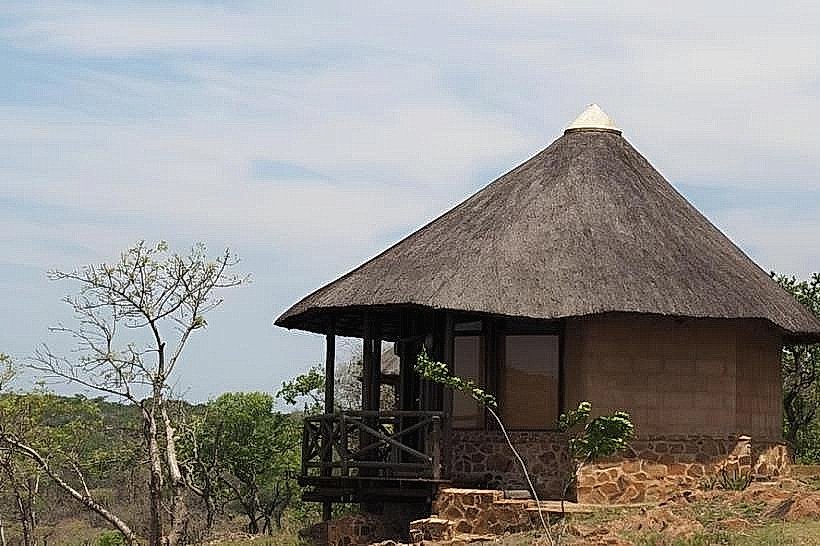
The reserve features basic eco-tourism infrastructure, including the Sara Camp and Siphiso Campsite, which provide public restrooms, hot showers, and shaded braai (barbecue) sites. Structural shade is limited along the wilderness trails, though thatched bird hides and natural tree canopies offer respite in key viewing zones. Cellular network reception is erratic, showing weak 3G or 4G signals on high ridges but dropping completely within the river gorges and lowveld valleys. A small visitor center provides basic educational maps, but there are no commercial food vendors or fuel stations inside the reserve, requiring visitors to supply their own provisions from nearby Simunye.
Best Time to Visit
The reserve is open daily from 06:00 to 18:00. The optimal window for game viewing and wilderness walking is during the dry winter season from May to September, when temperatures are mild, vegetation thins out, and animals regularly congregate around the remaining water sources. For bird-watching, the summer months from November to March are ideal due to the arrival of migratory species, though visitors must prepare for intense Lowveld heat exceeding 40°C and heavy rainstorms that can render unpaved internal roads impassable.
Facts & Legends
A verified archaeological oddity of Mlawula is the sheer density of ancient hand axes and Stone Age flakes scattered openly across the gravel beds of the Siphiso Valley, proving the area served as a primary tool-manufacturing site for prehistoric humans for tens of thousands of years. Local oral tradition speaks of the Lebombo caves hidden within the reserve's deepest river gorges, which were historically used as covert strongholds and sacred burial sites by local clan chiefs during 19th-century regional territorial conflicts.
Nearby Landmarks
Simunye Country Club: 12.0km Northwest
Hlane Royal National Park: 22.0km West
Mbuluzi Game Reserve: 15.0km Northwest
Lomahasha Border Post: 25.0km Northeast
Siteki Town Center: 35.0km South