Landmark: Shewula Village
City: Siteki
Country: Eswatini
Continent: Africa
Shewula Village, Siteki, Eswatini, Africa
Shewula Village is a rural community situated atop the northern ridge of the Lubombo Plateau in northeastern Eswatini. Operating under a traditional feudal administrative structure governed by a local chief, the village serves as the operational base for one of Southern Africa's most successful community-based eco-tourism initiatives.
Visual Characteristics
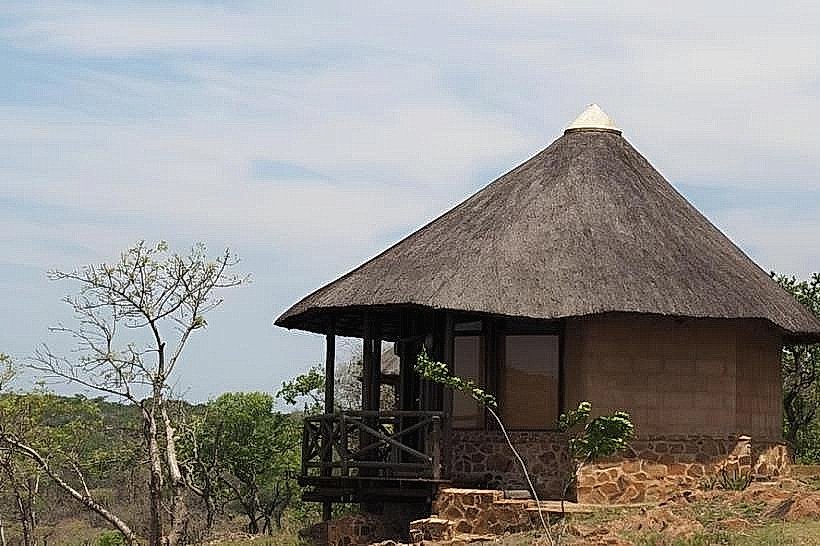
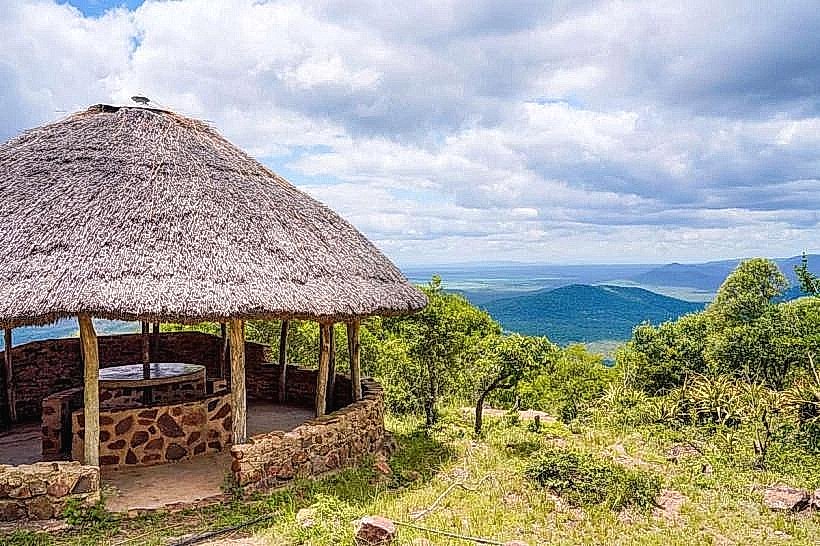
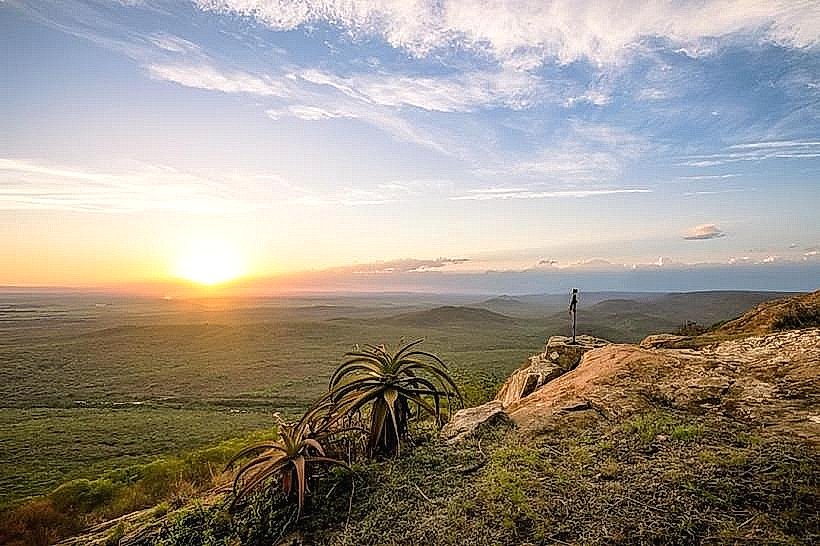
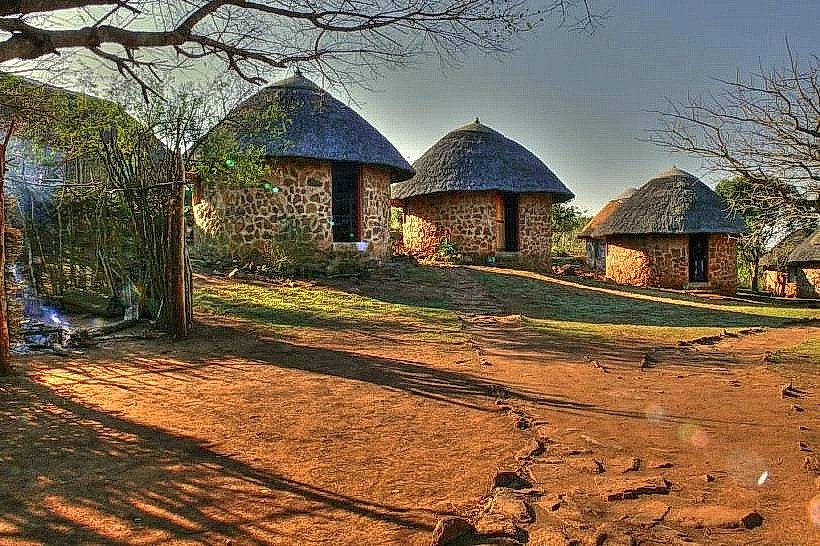
The village presents a classic Swazi rural landscape characterized by traditional stone and thatch-roofed rondavels interspersed with contemporary tin-roofed brick homes. Homesteads are spread across the mountain plateau, separated by fenced agricultural plots of maize, cotton, and local vegetables. The red-clay dirt roads wind along the edge of the Lubombo escarpment, where the terrain drops steeply down into deep river gorges lined with dense ironwood forest canopy.
Location & Access Logistics
Shewula is located approximately 20 kilometers southwest of the Lomahasha border post with Mozambique and roughly 45 kilometers northeast of Siteki. Access requires driving along the paved MR3 highway toward Lomahasha, turning off onto an unpaved, gravel community road that ascends the mountain escarpment. While accessible in standard two-wheel-drive vehicles during dry conditions, high-clearance or four-wheel-drive vehicles are recommended to navigate the rough stone surfaces and rutted dirt tracks. Public transport commuters can catch a local kombi from Simunye or Lomahasha, disembarking at the Shewula junction on the MR3.
Historical & Ecological Origin
The Shewula community possesses a distinct regional history that predates the modern state of Eswatini. In 1999, under the leadership of Chief Mbandzamane Sifundza, the community set aside 2,650 hectares of ancestral land to create the Shewula Nature Reserve. The primary purpose was to prevent agricultural clearing of the ecologically sensitive ironwood forests and establish a protected biodiversity corridor. The resulting eco-tourism framework operates under the Shewula Trust, which funnels all project revenue into local social development projects, including clean water infrastructure, schools, and orphan care.
Key Highlights & Activities
Guided cultural walks through the village offer direct interaction with residents, allowing visitors to tour traditional homesteads, learn about subsistence farming practices, and observe local craft-making. Visits to local sangomas (traditional healers) provide insight into indigenous herbal medicine and ancestral spiritual customs. Guided hikes lead down the escarpment into the Shewula Nature Reserve to explore the ancient Nswayi sacred forest, swim in the Mbuluzi River pools, and view diverse bird species inhabiting the gorge.
Infrastructure & Amenities
The village operates with basic rural infrastructure. While some parts of the plateau have electricity, the central Shewula Mountain Camp relies primarily on solar power and gas appliances, using candles and paraffin lanterns for ambient lighting. Shared ablution facilities with flush toilets and gas-heated hot showers are available at the camp. Mobile network coverage is available along the ridge line, though data connection strength varies depending on altitude and weather. Basic provisions can be purchased at small local tuck shops, with catered traditional meals provided by community cooks at the camp.
Best Time to Visit
The village is accessible year-round, but the dry winter months from May to September offer the most favorable travel conditions, featuring mild daytime temperatures, clear skies, and low humidity. Morning hours between 07:00 and 10:00 provide optimal lighting for village photography and viewing across the Lowveld plains. Visiting during the summer rainy season (November to March) brings a lush green agricultural landscape, though high heat and heavy convective rainstorms can make the unpaved access roads slippery and challenging to navigate.
Facts & Legends
The Shewula community holds a long-standing cultural reputation as a spiritual stronghold for traditional rainmaking rituals and herbal medicine practitioners, with local oral traditions noting that early Swazi monarchs consulted the area's spiritual elders during periods of severe drought. A verified economic milestone of the village's eco-tourism model is its formal recognition as a fair-trade, community-owned enterprise where 100% of operational profits are re-invested directly into public infrastructure and social welfare programs for the local residents.
Nearby Landmarks
Shewula Mountain Camp: 0.5km West
Mbuluzi Game Reserve: 8.5km Southwest
Simunye Country Club: 14.0km West
Mlawula Nature Reserve: 15.0km South
Lomahasha Border Post: 20.0km Northeast