Landmark: Mognori Eco-Village
City: Damongo
Country: Ghana
Continent: Africa
Mognori Eco-Village, Damongo, Ghana, Africa
Mognori Eco-Village is a traditional community-based tourism site located on the eastern border of Mole National Park in the Savannah Region. It functions as an organic farming village that provides cultural immersion experiences centered around the lifestyle of the indigenous Gonja people.
Visual Characteristics
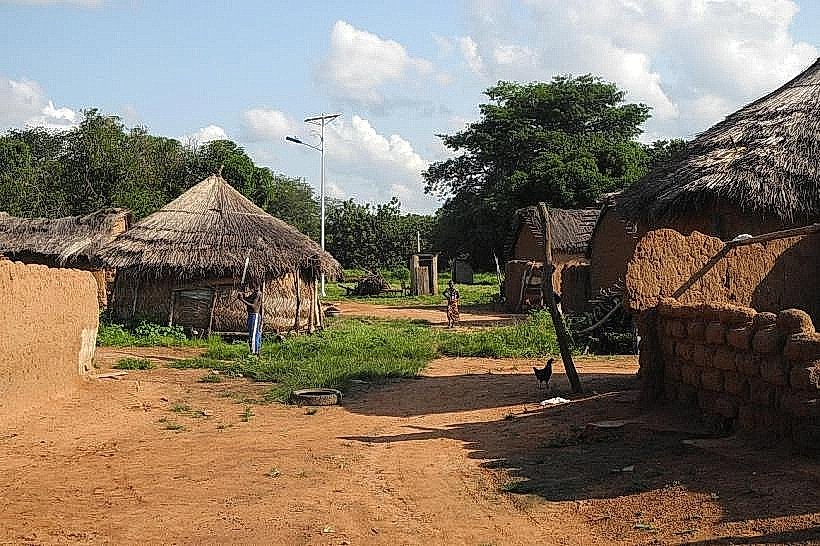
The village is composed of clusters of traditional round mud-brick huts with conical thatched roofs made of dry savanna grass. The surrounding landscape consists of Guinea savanna woodland and fertile riverine soil used for shea tree cultivation and small-scale farming. A prominent feature is the nearby Mole River, which is flanked by dense riparian vegetation and massive mahogany trees.
Location & Access Logistics
The village is situated approximately 15km east of the main entrance to Mole National Park. It is accessed via a dirt feeder road that branches off the main park access road near Larabanga. While accessible by sturdy 4x4 vehicles and motorbikes, the road can become muddy and difficult to navigate during the peak of the rainy season. Most visitors arrange transport through the Mole National Park visitor center or hire a local taxi from Damongo.
Historical & Ecological Origin
Mognori, which translates to "river bank" in the local dialect, was established by hunters and farmers who settled along the Mole River for its reliable water source. The community transitioned toward eco-tourism in the early 2000s to provide sustainable livelihoods that discourage poaching within the neighboring national park. The village operates on a community-resource management model, ensuring that tourism revenue supports local education and healthcare.
Key Highlights & Activities
Canoe safaris on the Mole River are a primary attraction, offering opportunities to observe crocodiles and water birds. Guided village walks include demonstrations of traditional shea butter processing and visits to the local medicine man. Cultural performances involving drumming and dancing are organized for visiting groups. Visitors can also participate in "home-stay" experiences to observe daily agricultural and domestic routines.
Infrastructure & Amenities
Infrastructure is basic and reflects the village's traditional character. There is no grid electricity; lighting is provided by solar lamps or flashlights. Water is sourced from local boreholes. Public latrines are available for visitors, and a small community pavilion serves as a central meeting and dining area. Cell phone signal (4G) is weak and inconsistent within the village center but may be accessed on higher ground nearby.
Best Time to Visit
The best time for a visit is during the dry season (November to April), when the feeder road is easily motorable and the Mole River is calm for canoe safaris. Early morning (07:00–09:00) is the optimal time for bird watching along the river and for observing the start of daily village activities. During the rainy season, the village is lush and green, though transport logistics are more challenging.
Facts & Legends
The village is renowned for its specific variety of shea butter, which is handcrafted using techniques passed down through generations. A local point of pride is the "community pact" where residents act as unofficial guardians of the national park’s wildlife, reporting sightings and preventing illegal encroachment. A unique tip for visitors is to bring small denominations of local currency (GHS) for purchasing artisanal shea products directly from the women's cooperative.
Nearby Landmarks
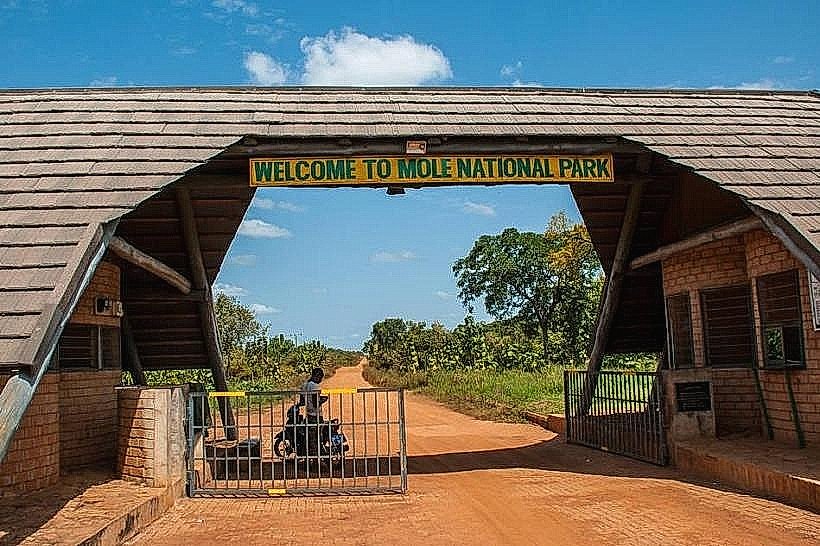
Mole National Park Entrance: 15.2km West
Mole River: 0.5km South
Larabanga Ancient Mosque: 18.5km Southwest
Larabanga Mystic Stone: 18.6km Southwest
Damongo Town Center: 26km Southwest