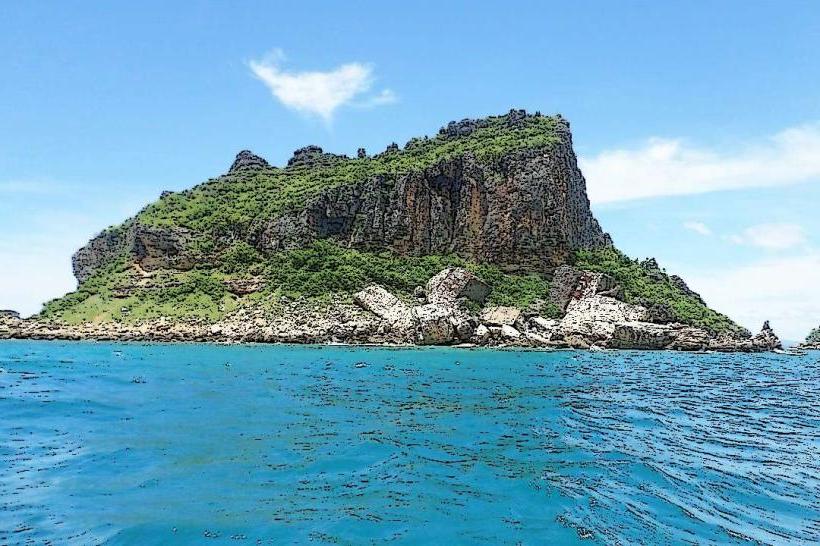
Landmark: Nosy Hara
City: Antsiranana
Country: Madagascar
Continent: Africa
Nosy Hara, Antsiranana, Madagascar, Africa
Nosy Hara is a marine national park comprising a cluster of twelve limestone islands and islets located off the northwest coast of Madagascar, approximately 40 kilometers north of Antsiranana.
Visual Characteristics
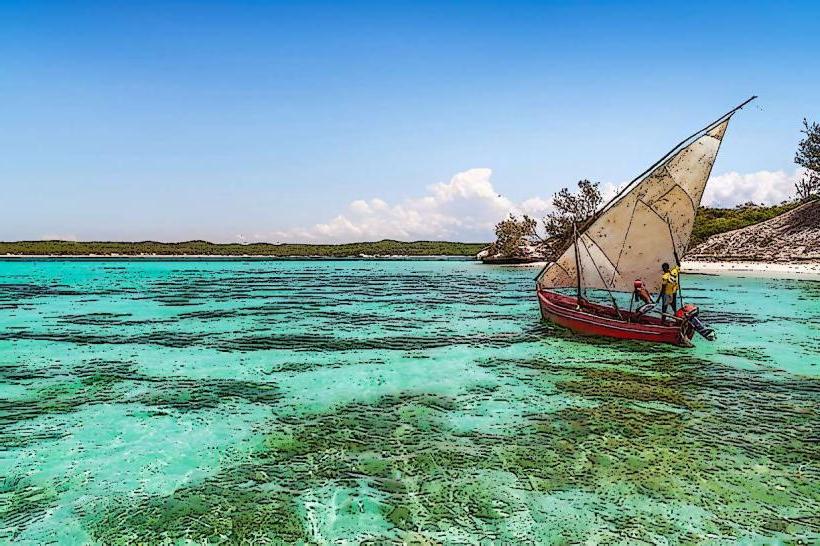
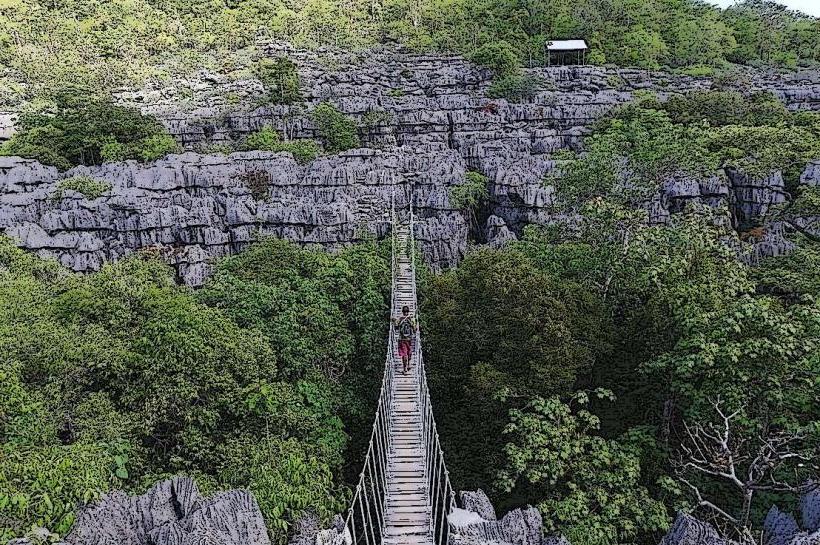
The islands of Nosy Hara are characterized by eroded limestone karsts, displaying sharp, grey-white formations. The surrounding waters exhibit clear turquoise to deep blue hues, indicative of healthy coral ecosystems. Vegetation is sparse on the exposed rock faces, consisting primarily of drought-resistant shrubs and baobab trees on larger islets.
Location & Access Logistics
Access to Nosy Hara is primarily by boat from the port of Ramena, located 18 kilometers east of Antsiranana. The boat journey typically takes 1.5 to 2 hours, depending on sea conditions. There are no roads or designated parking facilities on the islands themselves. Private boat charters are the main transport option; no public transport directly serves the marine park.
Historical & Ecological Origin
Nosy Hara was designated Madagascar's first marine national park in 2012. Its geological origin is characterized by ancient limestone formations, part of the Mahajanga Basin, which have undergone significant erosion over millennia. Ecologically, it is a critical habitat for diverse marine life, including extensive coral reefs and various fish species, and is known for its unique terrestrial flora and fauna, such as the world's smallest chameleon, Brookesia micra.
Key Highlights & Activities
Snorkeling and scuba diving are primary activities, offering views of coral reefs and marine biodiversity. Kayaking around the islets is possible, allowing exploration of hidden coves and smaller beaches. Bird watching is conducted on specific islets, observing seabirds. Hiking on the larger islands provides elevated views of the archipelago.
Infrastructure & Amenities
There are no permanent restrooms or designated shade structures on the islands of Nosy Hara. Cell phone signal (4G) is intermittent and unreliable. No food vendors or permanent facilities are present; visitors must bring all supplies, including water and food. Waste disposal is strictly 'pack it in, pack it out'.
Best Time to Visit
The dry season, from May to November, offers the most favorable weather conditions with calmer seas for boat travel and water activities. Visibility for snorkeling and diving is generally best during these months. Morning hours are optimal for photography due to softer light and fewer shadows on the limestone formations.
Facts & Legends
Nosy Hara is the only known habitat for the chameleon species Brookesia micra, which measures approximately 29 millimeters from snout to tail, making it one of the smallest reptiles globally. A local belief suggests that the unique, eroded rock formations on some islets are petrified ancient spirits guarding the marine park.
Nearby Landmarks
- Ramena Beach: 18km East
- Montagne des Français: 35km South-Southeast
- Diego Suarez Bay (Antsiranana Bay): 40km South
- Amber Mountain National Park: 60km South