Landmark: Nyamata Genocide Memorial
City: Bugesera
Country: Rwanda
Continent: Africa
Nyamata Genocide Memorial, Bugesera, Rwanda, Africa
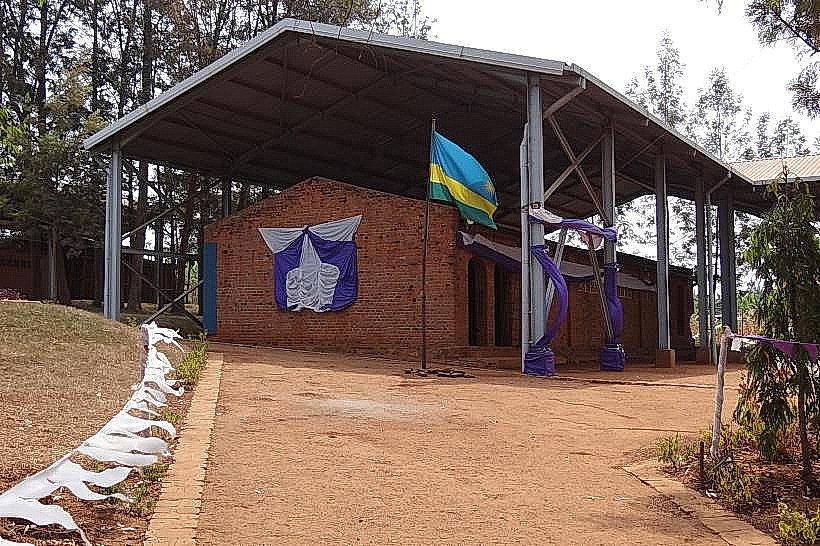
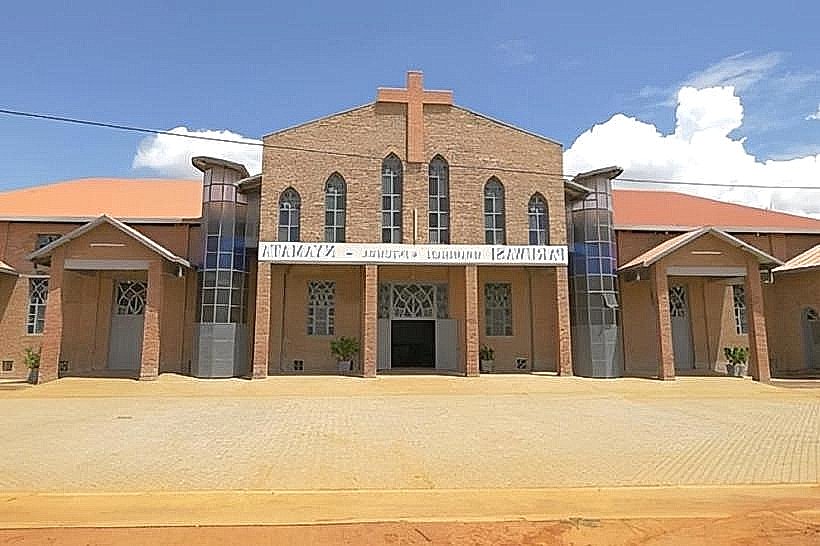
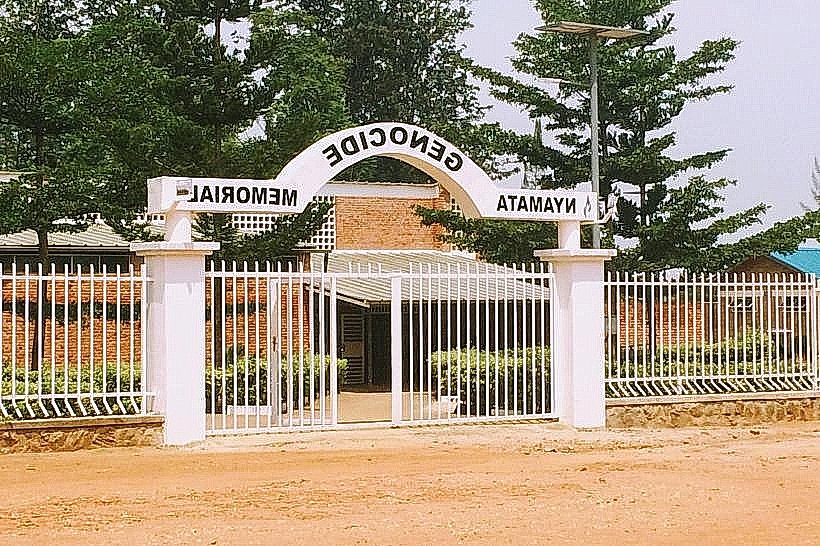
Nyamata Genocide Memorial is a historic church and UNESCO World Heritage site located in the Bugesera District, approximately 35km south of Kigali. It serves as a "witness site," preserving the evidence of the 1994 Genocide against the Tutsi, where approximately 10,000 people were killed within the building itself.
Visual Characteristics
The memorial is characterized by its raw, unrestored state. The interior of the brick church contains rows of pews piled high with the clothing and personal effects of the victims. The walls and metal roofing are riddled with holes from bullets and shrapnel from grenades used to breach the church doors. The original altar remains, draped in a blood-stained cloth.
Location & Access Logistics
Access is via the paved highway from Kigali toward the Burundi border (Route 23). The site is reachable by all vehicle types, and the drive from the capital takes approximately 45 to 60 minutes. Frequent minibus services run from central Kigali to Nyamata town, followed by a short walk or motorcycle taxi to the memorial entrance.
Historical & Ecological Origin
Built as a Catholic parish in 1980, the church became a primary refuge for Tutsis during the 1994 genocide due to the traditional belief that churches were sanctuaries. Geologically, the site sits on the flat, humid plains of the Bugesera region. Historically, it is noted for the murder of Tonia Locatelli, an Italian volunteer killed in 1992 after attempting to warn the international community about the escalating violence in the area.
Key Highlights & Activities
The Main Church: A silent walk-through of the sanctuary where victims' belongings are displayed as they were found.
Mass Graves: Two large underground crypts behind the church house the remains of over 45,000 people recovered from the surrounding area.
The Memorial Garden: A quiet perimeter used for reflection and official commemoration ceremonies.
Survivor Accounts: Guided tours are often led by survivors who provide first-hand context of the events in Nyamata.
Infrastructure & Amenities
Infrastructure is minimal to maintain the solemnity of the site. A small visitor center provides basic information, and public restrooms are available on the grounds. 5G/4G cellular signal is strong throughout Nyamata. There are no dining facilities on-site, but several local cafes are located in the nearby town center.
Best Time to Visit
The memorial is open daily from 09:00 to 16:00. It is most frequently visited during the Kwibuka (commemoration) period from April to July. Visitors should arrive early in the morning to avoid the midday heat, as much of the site exploration involves outdoor walkways and unconditioned structures.
Facts & Legends
A verified historical fact is that the church doors were not forced open but were blasted apart with explosives, as the attackers encountered resistance from those inside. Photography of human remains in the crypts is strictly prohibited to maintain the dignity of the deceased.
Nearby Landmarks
Ntarama Genocide Memorial (5km North)
Kigali Genocide Memorial (35km North)
Bugesera International Airport Site (15km East)
Akagera River Crossing (20km South)