Landmark: Parque Nacional Lanín
City: Neuquen
Country: Argentina
Continent: South America
Parque Nacional Lanín, Neuquen, Argentina, South America
Parque Nacional Lanín is a protected area located in the Argentine Patagonia, within the Neuquén Province.
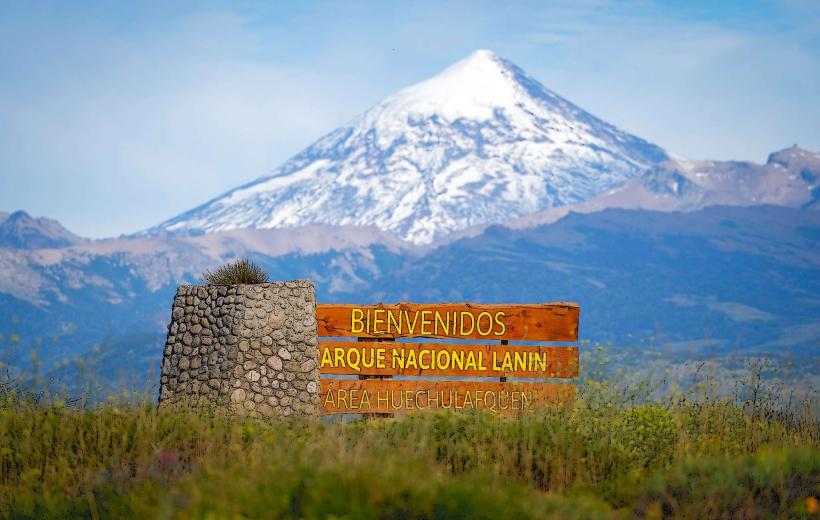
This national park encompasses a significant portion of the Andes mountain range and features the prominent Lanín Volcano.
Visual Characteristics
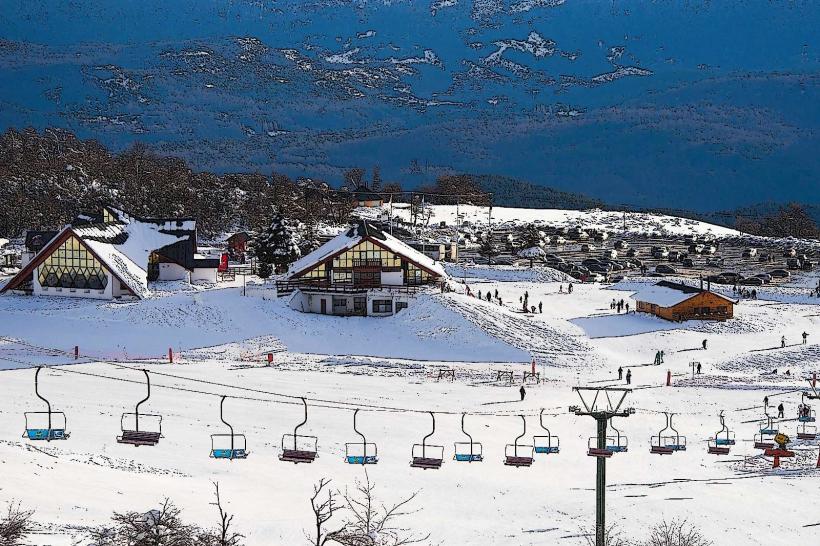
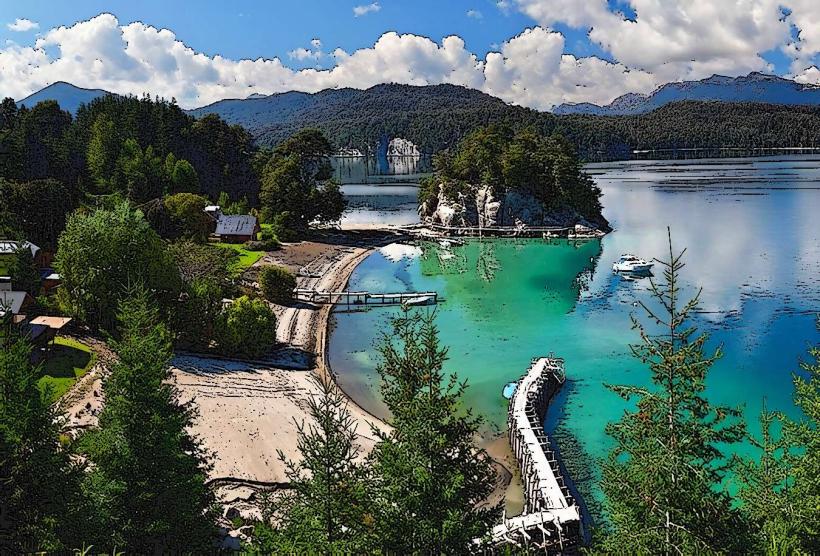
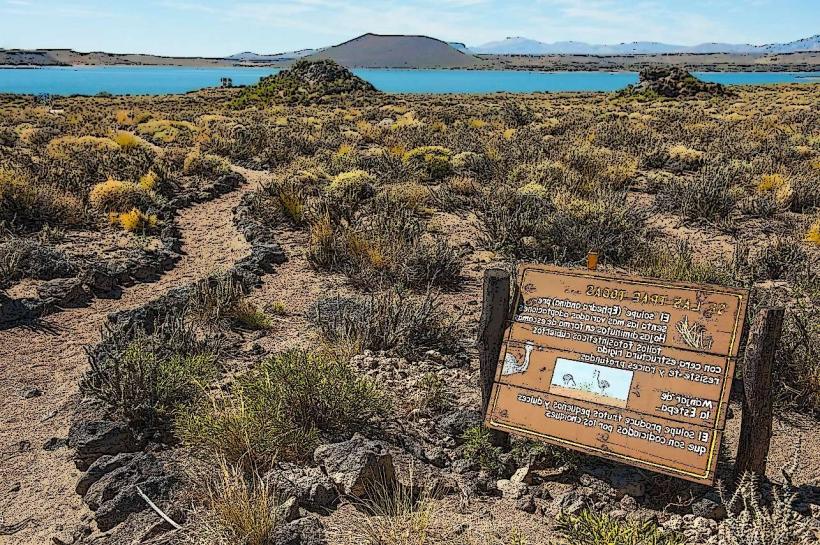
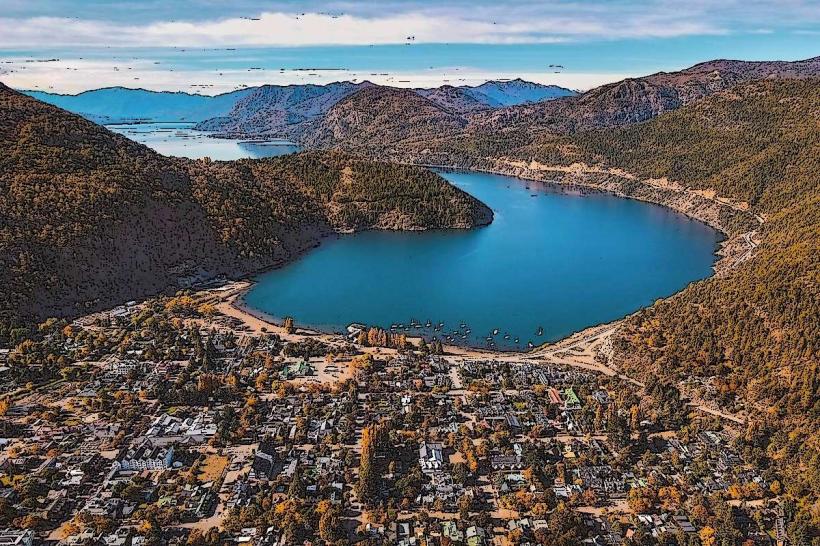
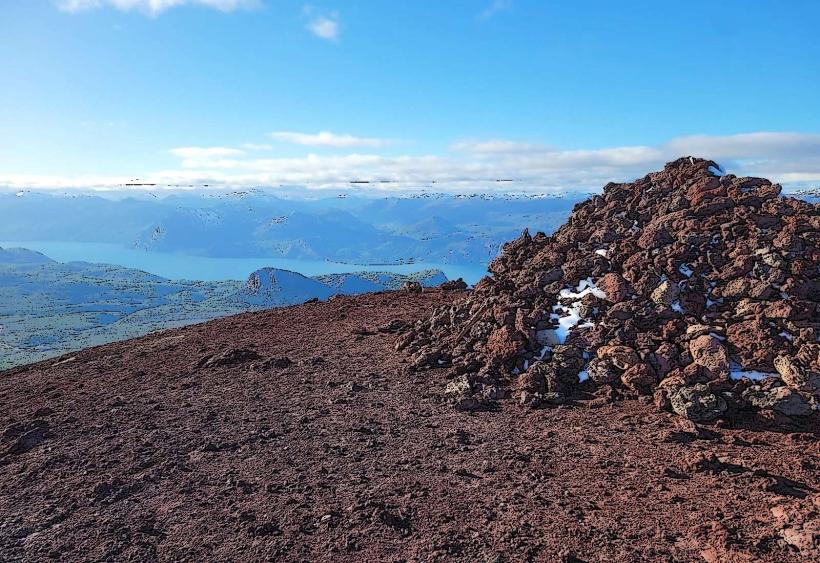
The park's landscape is characterized by dense native forests, primarily lenga and coihue trees, interspersed with glacial lakes and rivers. The Lanín Volcano, an active stratovolcano, dominates the skyline, its summit often snow-capped. Lake Lácar, a large glacial lake, exhibits deep blue to turquoise water colors depending on light conditions. Rock formations are predominantly volcanic in origin, with evidence of past glacial activity shaping the terrain.
Location & Access Logistics
Parque Nacional Lanín is situated in the western part of Neuquén Province, bordering Chile. The primary access point is via National Route 40, which traverses the park. San Martín de los Andes, a town located on the shores of Lake Lácar, serves as a major gateway. From San Martín de los Andes, Provincial Route 62 provides access to various park areas, including the route to the Lanín Volcano base. The nearest major airport is Chapelco Airport (CPC), located approximately 25 kilometers from San Martín de los Andes. Parking is available at designated visitor centers and trailheads, though capacity can be limited during peak seasons.
Historical & Ecological Origin
The park was established in 1937 to protect the native forests, wildlife, and the geological formations, including the Lanín Volcano. The volcano itself is a stratovolcano formed by volcanic activity over thousands of years. The park's ecological classification is Andean-Patagonian forest, characterized by its unique flora and fauna adapted to the high-altitude, temperate climate.
Key Highlights & Activities
Hiking trails are available, including the route to the Lanín Volcano base camp and trails around Lake Lácar. Kayaking and boat tours operate on Lake Lácar and other accessible lakes. Fishing is permitted in designated areas with the appropriate license. Wildlife observation, particularly of native bird species and guanacos, is a common activity. Camping is available at designated campgrounds.
Infrastructure & Amenities
Visitor centers are located at key access points, offering information and maps. Restrooms are available at visitor centers and some campgrounds. Shade is provided by the dense forest canopy in many areas. Cell phone signal (4G/5G) is intermittent and generally unavailable in remote sections of the park. Food vendors are typically found in the gateway towns of San Martín de los Andes and Junín de los Andes, rather than within the park itself.
Best Time to Visit
The best months for visiting are from December to March, during the Southern Hemisphere's summer, offering the most favorable weather for outdoor activities. For photography, early morning and late afternoon provide optimal lighting conditions for the volcano and lakes. High tide is not a significant factor for park access, but water levels in rivers and lakes can fluctuate seasonally.
Facts & Legends
A local legend states that the Lanín Volcano is a sleeping giant, and its occasional rumblings are signs of its awakening. Geologically, the volcano is considered active, with its last significant eruption occurring approximately 10,000 years ago. A specific tip for visitors is to carry sufficient water and snacks, as services within the park are minimal.
Nearby Landmarks
- San Martín de los Andes (15km Southwest)
- Quila Quina (10km West)
- Arrayanes Forest (20km Northwest)
- Villa La Angostura (70km North)