Landmark: Quiriguá Archaeological Park
City: Quirigua
Country: Guatemala
Continent: North America
Quiriguá Archaeological Park, Quirigua, Guatemala, North America
Quiriguá Archaeological Park is a pre-Columbian Maya site located in the Izabal department of southeastern Guatemala.
The park preserves a significant collection of Maya stelae and structures from the Classic Period.
Visual Characteristics
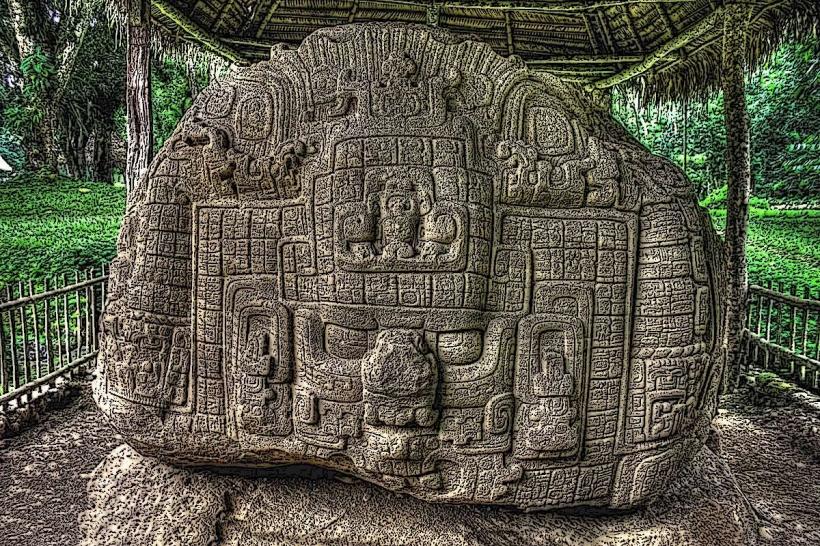
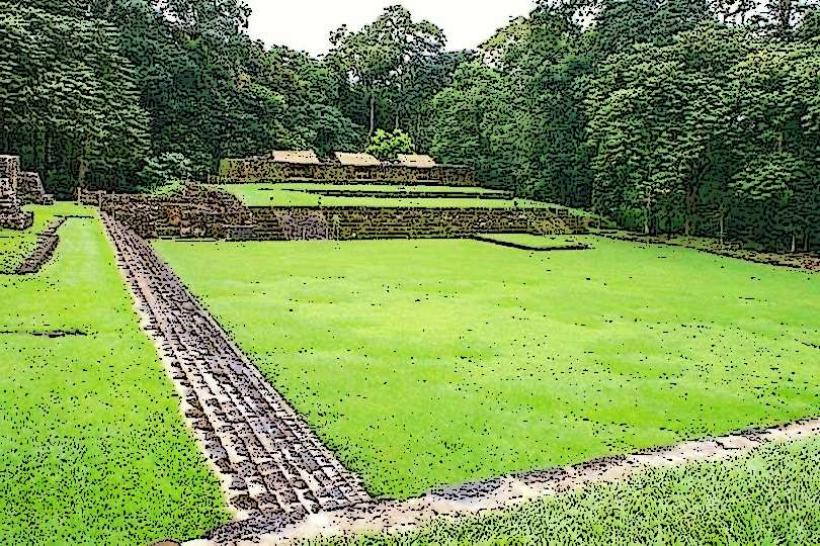
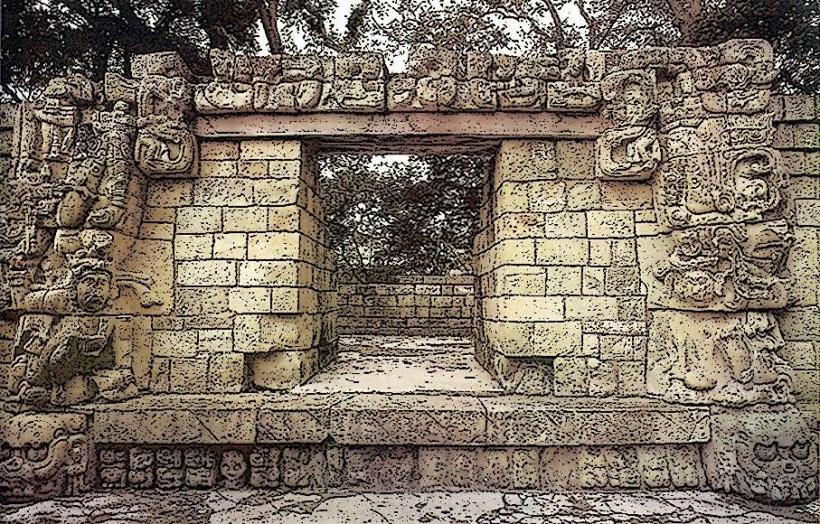
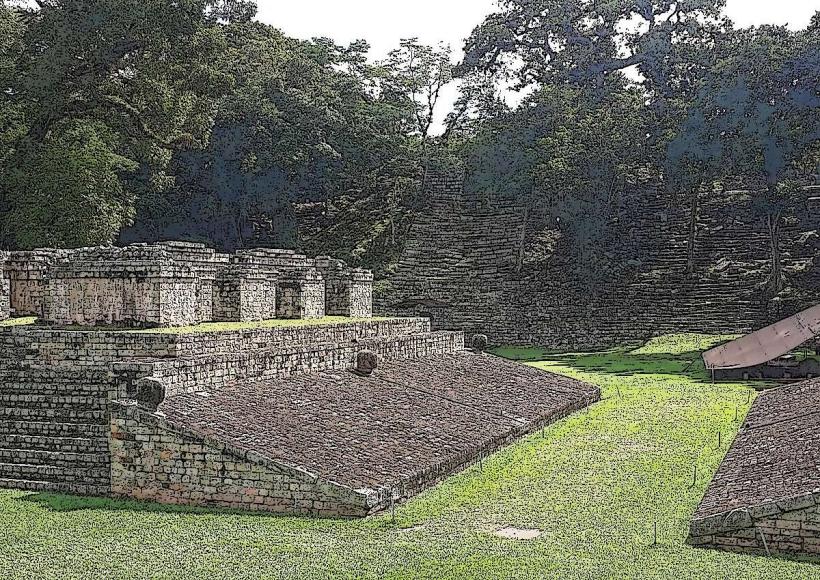
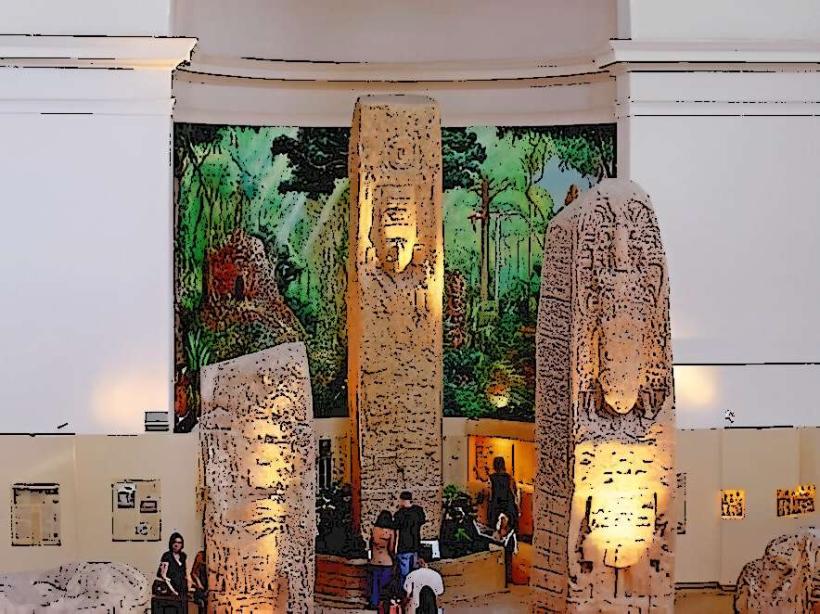
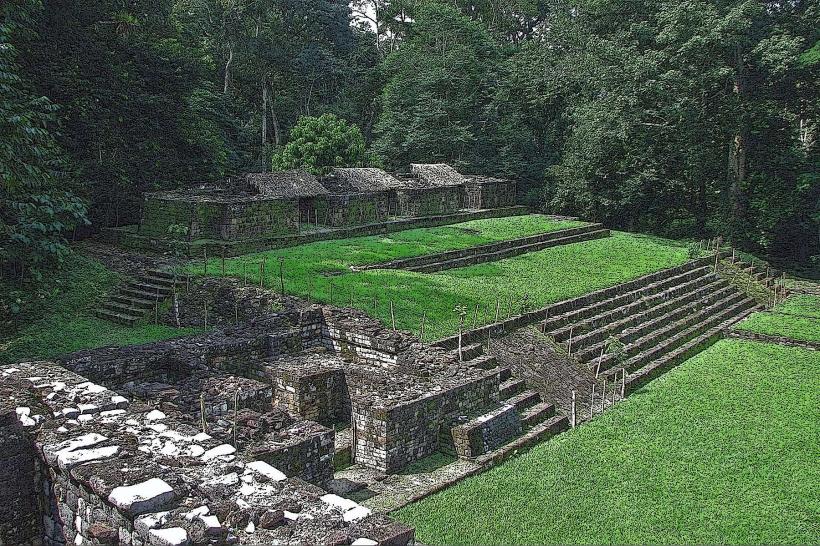
The site features large, intricately carved sandstone stelae, some reaching heights of over 10 meters. The central plaza is surrounded by earth mounds and the remains of stone buildings. The surrounding vegetation is dense tropical rainforest, with a variety of tree species and undergrowth.
Location & Access Logistics
Quiriguá is situated approximately 200 kilometers east of Guatemala City. Access is via CA-9 Highway (Carretera al Atlántico). The turnoff for Quiriguá is well-marked. Parking is available on-site. The nearest major town is Los Amates, about 5 kilometers to the west. Public transport options are limited; bus services operate along CA-9, with a stop near the park entrance, but require onward travel by taxi or walking.
Historical & Ecological Origin
Quiriguá flourished as an independent Maya city-state during the Classic Period, with its peak between 700 and 850 AD. It is particularly known for its monumental stelae, which record historical events and dynastic lineages. The site is located within a tropical rainforest ecosystem, characterized by high humidity and rainfall.
Key Highlights & Activities
Visitors can observe and photograph the detailed carvings on the stelae, including Stela E, one of the largest known. Walking tours of the main plaza and ceremonial center are possible. The site is suitable for observation of local flora and fauna within the rainforest environment.
Infrastructure & Amenities
Restrooms are available at the visitor center. Limited shade is provided by the rainforest canopy. Cell phone signal is generally unreliable within the park. Food vendors are typically not present directly at the site; options are available in Los Amates.
Best Time to Visit
The best time of day for photography is generally in the morning, between 9:00 AM and 11:00 AM, when the light is softer and less direct. The dry season, from November to April, offers more comfortable weather conditions with less rainfall. The site is accessible year-round.
Facts & Legends
Quiriguá's stelae are notable for their exceptional preservation and the quality of their hieroglyphic inscriptions, which provide crucial data on Maya history and calendrics. A unique feature is the "Zoomorphs," large carved altars that resemble mythical creatures.
Nearby Landmarks
- Semuc Champey (approx. 150km Southwest)
- Río Dulce National Park (approx. 60km Northeast)
- Livingston (approx. 75km Northeast)
- Copán Ruinas (Honduras) (approx. 120km Southeast)