Landmark: Stelae and Zoomorphs
City: Quirigua
Country: Guatemala
Continent: North America
Stelae and Zoomorphs, Quirigua, Guatemala, North America
The Stelae and Zoomorphs of Quiriguá are a collection of carved stone monuments located in the Izabal Department of Guatemala. These artifacts represent a significant archaeological site from the Maya civilization.
Visual Characteristics
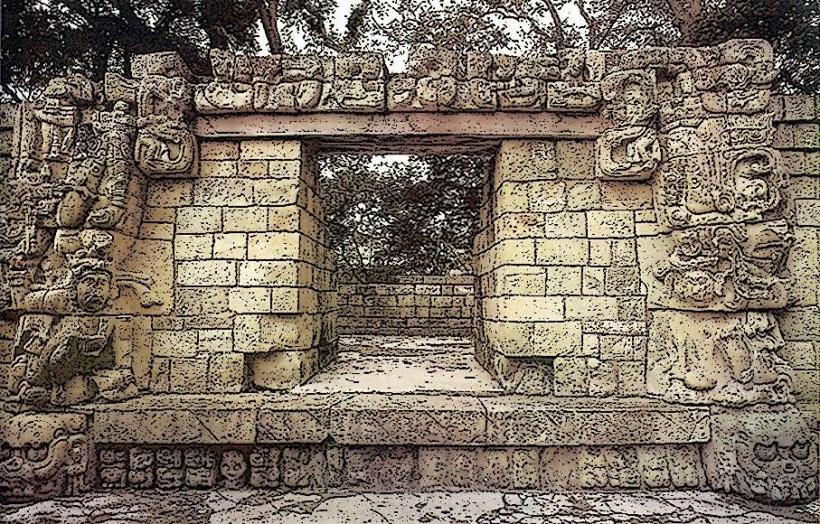
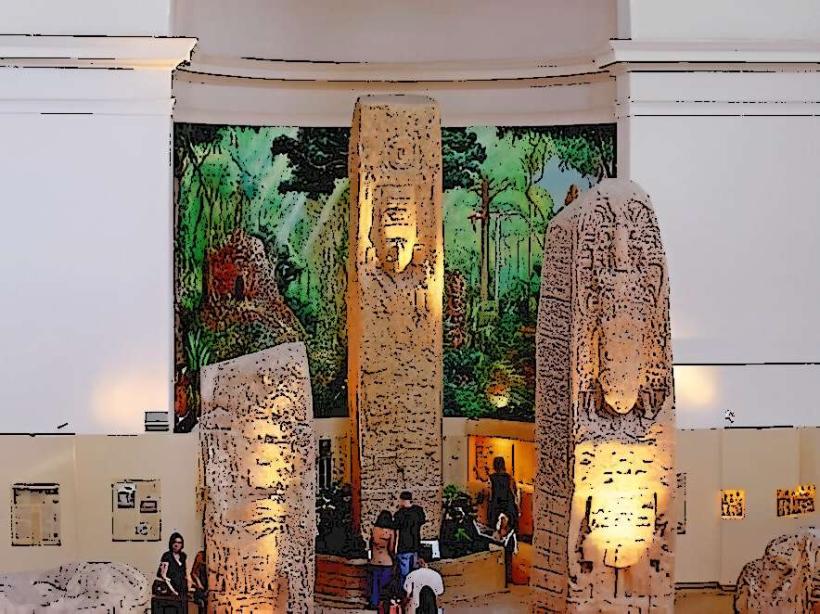
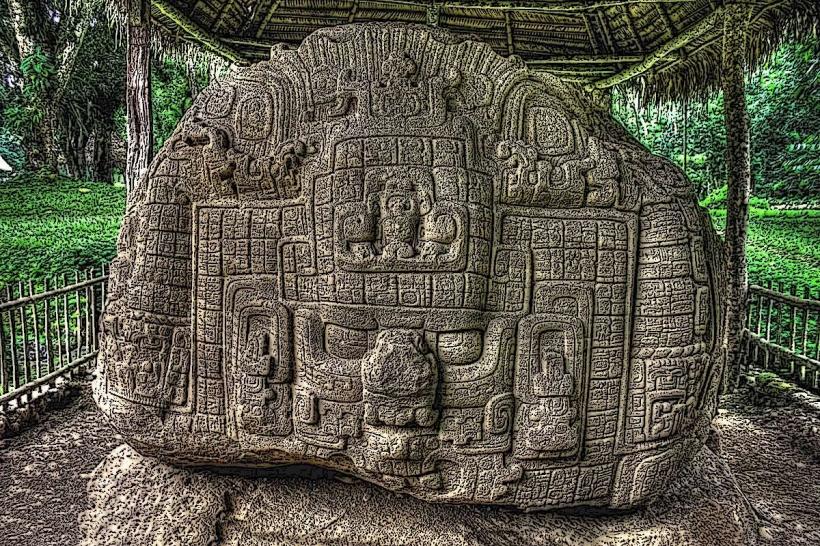
The site features numerous large, upright stone slabs (stelae) and intricately carved stone sculptures in the form of animals (zoomorphs). The stelae are typically rectangular and reach heights of up to 7 meters. They are carved from local red sandstone and display detailed hieroglyphic inscriptions and figurative representations of Maya rulers and deities. The zoomorphs are massive, rounded stone blocks, also carved from sandstone, depicting mythical creatures and complex patterns.
Location & Access Logistics
Quiriguá is situated approximately 200 kilometers east of Guatemala City. Access is via CA-9 Highway (Carretera al Atlántico). The site is located about 1 kilometer north of the town of Quiriguá. Parking is available on-site. Public transport options include intercity buses traveling from Guatemala City to Puerto Barrios, which stop in Quiriguá. The archaeological park entrance is a short walk from the bus stop.
Historical & Ecological Origin
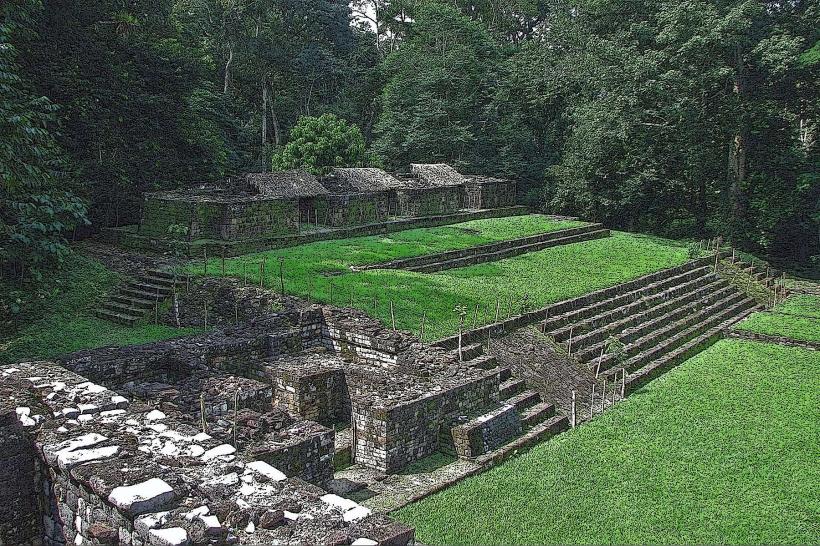
The Stelae and Zoomorphs were erected by the Maya civilization during the Late Classic period, primarily between 700 and 850 AD. The site served as a ceremonial center and a place to record historical events and dynastic lineages. The stone used for the carvings is a type of sandstone found in the immediate vicinity, indicating local quarrying and transport methods. The surrounding area is characterized by tropical rainforest vegetation.
Key Highlights & Activities
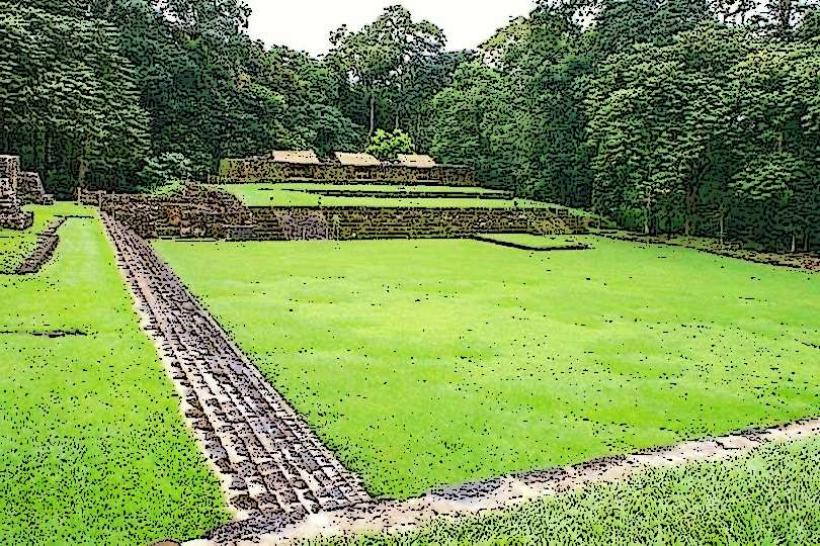
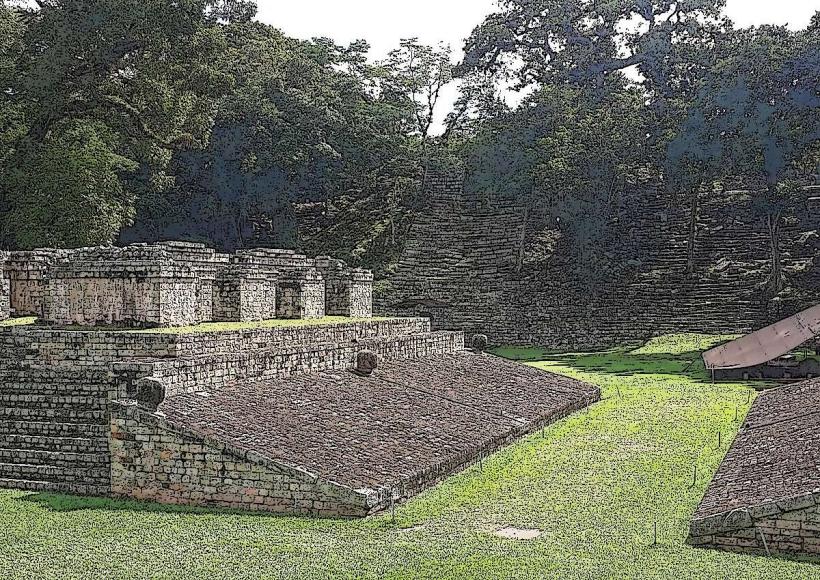
Visitors can observe the Stela E, one of the tallest Maya stelae discovered. The Zoomorphs, particularly Zoomorph P, are notable for their detailed carvings. Walking the main plaza allows for viewing of multiple stelae and zoomorphs in their original context. Interpretive panels provide information on the inscriptions and iconography. No specific activities like guided tours are scheduled, but self-guided exploration is the primary mode of engagement.
Infrastructure & Amenities
Restrooms are available at the visitor center. Limited shade is provided by trees within the archaeological park. Cell phone signal (4G/5G) is generally weak or unavailable within the park. No food vendors are present directly at the site; visitors should plan to bring their own provisions or purchase them in the nearby town of Quiriguá.
Best Time to Visit
The best time of day for photography is generally in the morning or late afternoon when the sun's angle creates more defined shadows on the carvings. The dry season, from November to April, offers the most pleasant weather conditions with less rainfall. There are no tidal considerations for visiting this inland site.
Facts & Legends
A unique aspect of Quiriguá is the exceptionally well-preserved condition of its stelae and zoomorphs, attributed to the soft sandstone's ability to capture fine detail and the site's relative isolation. Local lore suggests that the intricate carvings were created by master artisans who possessed a deep understanding of the natural world and the cosmos.
Nearby Landmarks
- Copán Ruins (Honduras) - 65km Southeast
- Río Dulce National Park - 50km Northeast
- Livingston - 60km Northeast
- Tikal National Park - 150km Northwest