Landmark: Ravana Falls
City: Ella
Country: Sri Lanka
Continent: Asia
Ravana Falls, Ella, Sri Lanka, Asia
Ravana Falls is a waterfall located in Ella, Uva Province, Sri Lanka. It is a significant natural attraction in the region.
Visual Characteristics
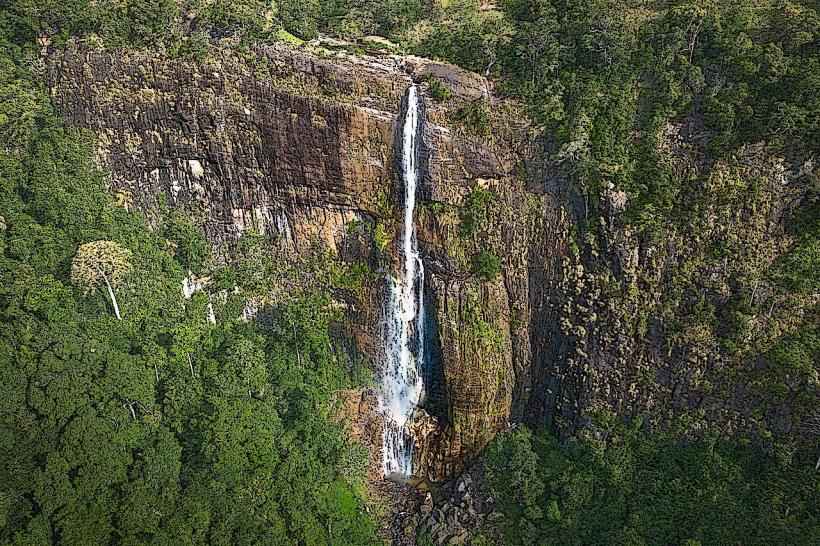
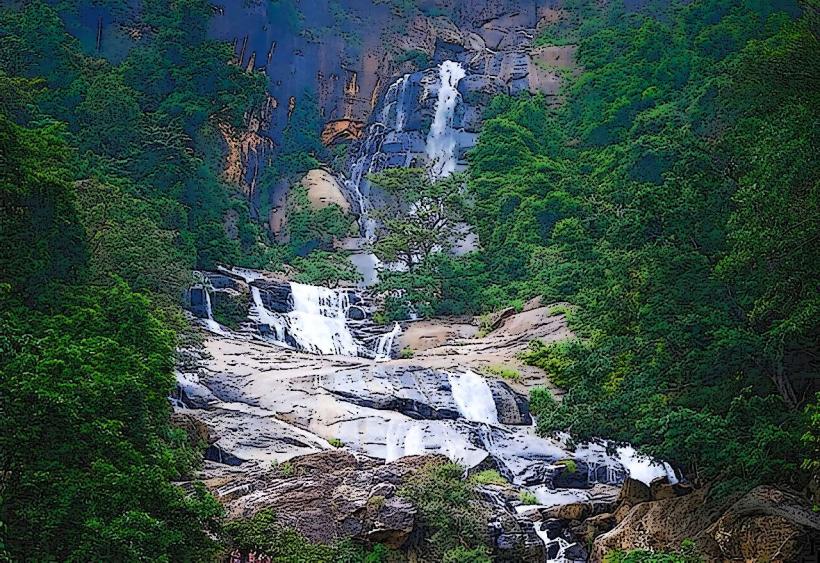
The waterfall cascades down multiple tiers of rock. The water is typically clear, with a white foam at the base. The surrounding vegetation is dense, consisting of tropical trees and foliage. The rock formations are primarily metamorphic, with visible strata.
Location & Access Logistics
Ravana Falls is situated approximately 5 kilometers south of Ella town center along the A2 highway. Access is directly from the A2. Parking is available roadside, often managed by local attendants. Public transport options include local buses traveling on the A2 route towards Wellawaya; the falls are a common stop. No specific bus line number is consistently designated for this stop.
Historical & Ecological Origin
The waterfall is a natural formation, carved by the Ravana Ella River over millennia. Its geological origin is linked to the erosion of the surrounding Precambrian metamorphic rocks. Local folklore associates the falls with the ancient Indian epic, the Ramayana, suggesting it was a bathing place for the princess Sita.
Key Highlights & Activities
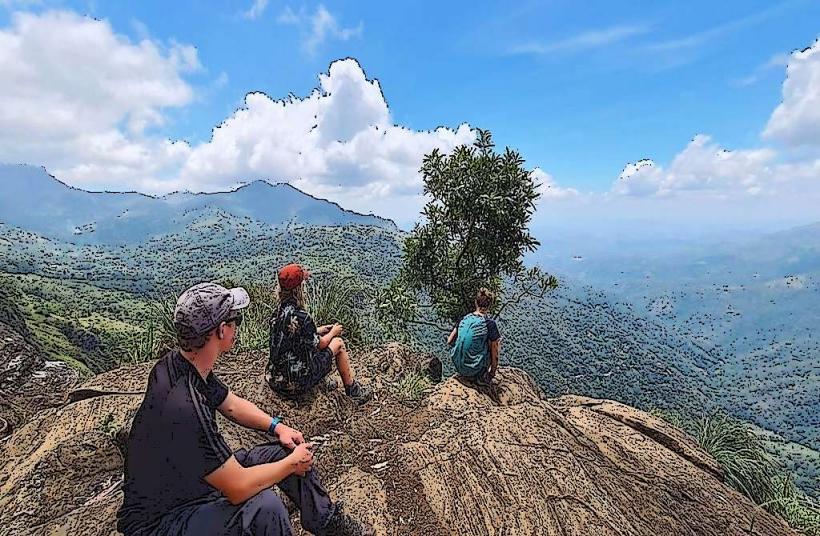
Visitors can observe the waterfall from the roadside viewing area. Swimming is possible in designated pools at the base during periods of low flow. Hiking trails are present on the slopes adjacent to the falls, offering different vantage points. Photography is a common activity.
Infrastructure & Amenities
Basic amenities include roadside stalls selling refreshments and souvenirs. Restrooms are generally not available at the immediate falls site; visitors typically use facilities in Ella town. Shade is limited to areas beneath the surrounding trees. Cell phone signal (4G/5G) is generally available.
Best Time to Visit
The best time of day for photography is typically mid-morning or late afternoon when sunlight angles can highlight the water flow and surrounding greenery. The months of December to March generally offer drier weather. Water flow is highest during the monsoon season (October-November and May-June), which can impact swimming accessibility.
Facts & Legends
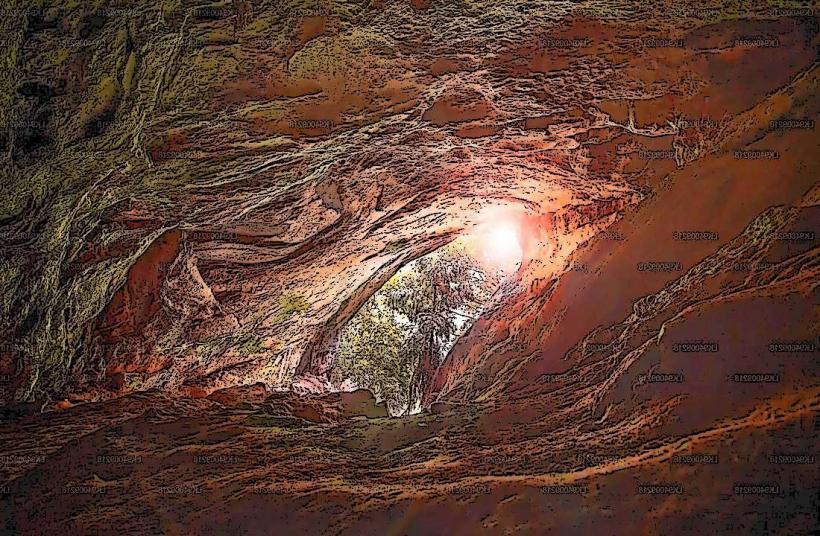
A local legend states that King Ravana of Sri Lanka used to bathe in a pool behind the waterfall. It is also said that the cave behind the falls, Ravana Ella Cave, was used by King Ravana as a hideout. The water is believed by some locals to have medicinal properties.
Nearby Landmarks
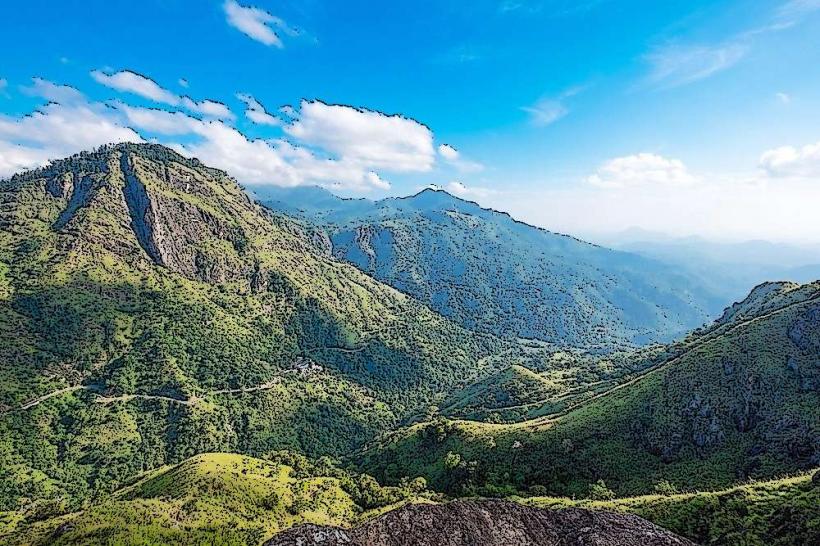
- Little Adam's Peak (1.5km Northwest)
- Ella Rock (3.0km West)
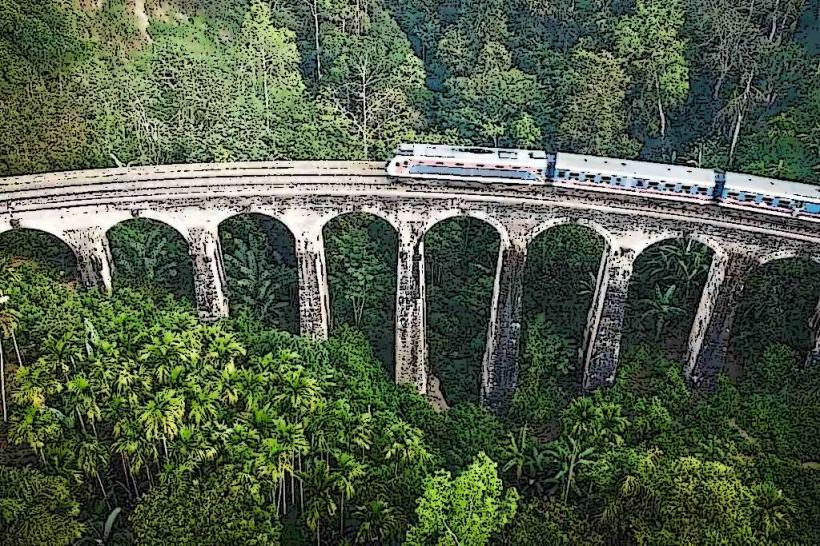
- Nine Arch Bridge (2.5km North)
- Dowa Temple (4.0km South)