Landmark: Rocky Mountain National Park
City: Estes Park
Country: USA Colorado
Continent: North America
Rocky Mountain National Park, Estes Park, USA Colorado, North America
Rocky Mountain National Park is a protected area in the Front Range of the Rocky Mountains, located west of Estes Park, Colorado, USA.
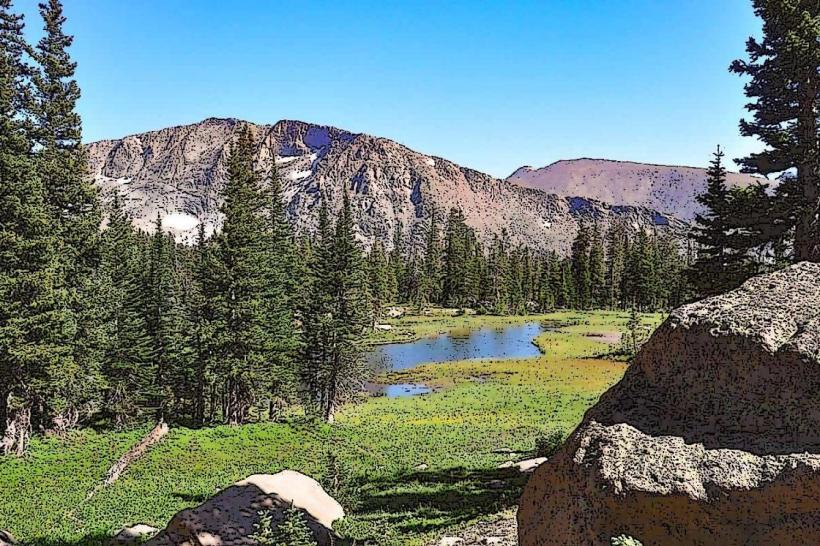
It encompasses a significant portion of the Rocky Mountains, featuring alpine tundra, montane forests, and numerous lakes.
Visual Characteristics
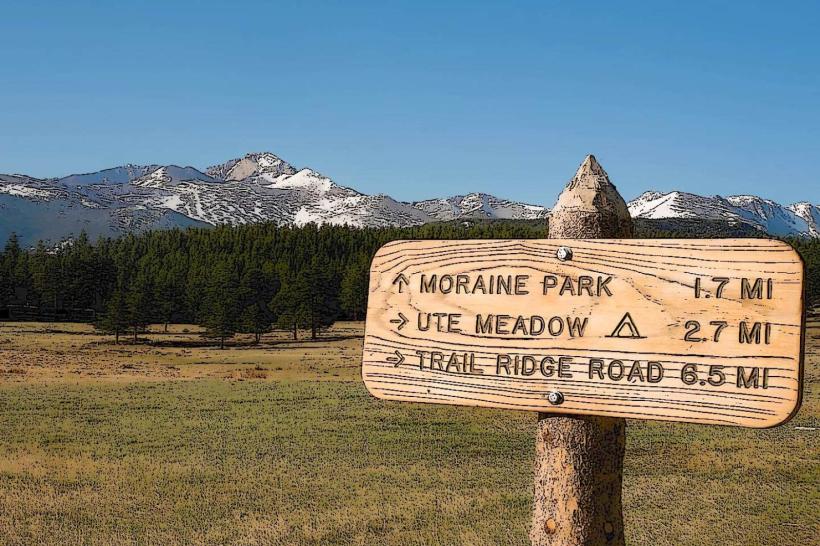
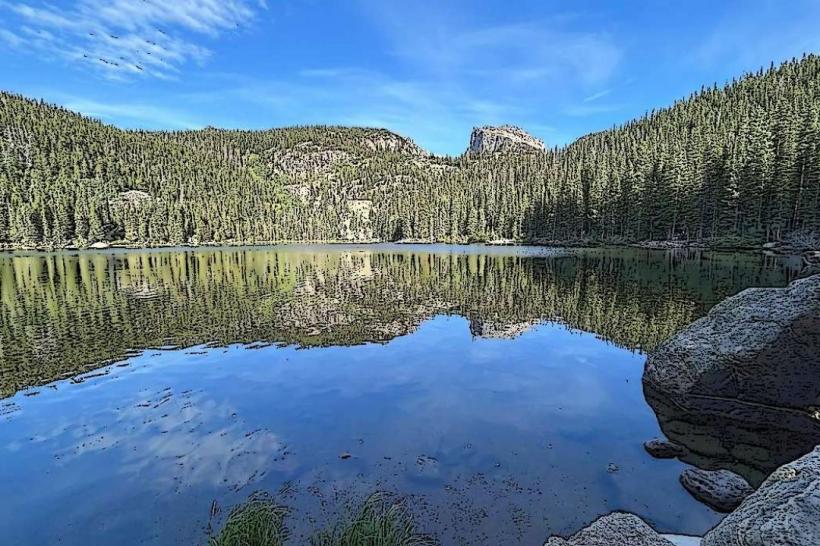
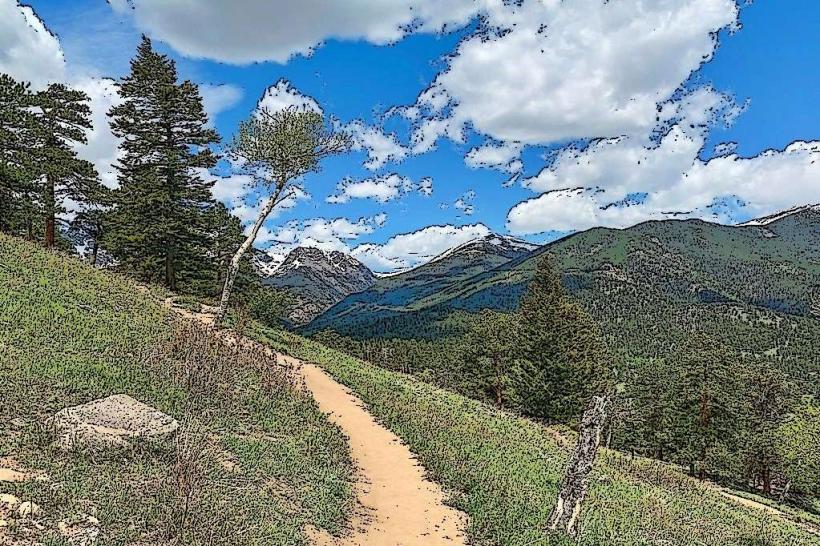
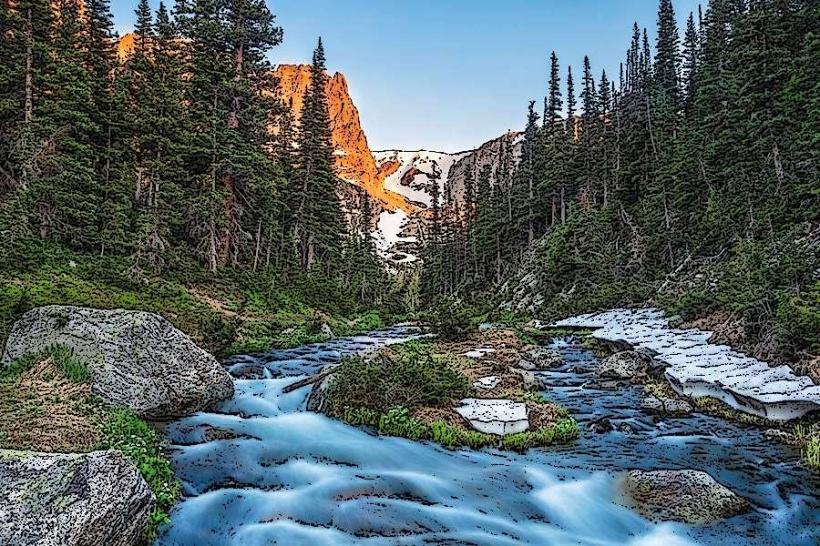
The park's landscape is characterized by granite peaks, some exceeding 14,000 feet in elevation. Vegetation varies from dense evergreen forests (lodgepole pine, spruce) at lower elevations to sparse alpine tundra with low-lying shrubs and wildflowers at higher altitudes. Numerous glacial lakes, such as Bear Lake and Sprague Lake, are present, reflecting the surrounding mountain formations. Trail Ridge Road, the park's main thoroughfare, reaches elevations over 12,000 feet, offering expansive views of the continental divide.
Location & Access Logistics
The primary eastern entrance is located at Estes Park, Colorado. From Denver International Airport (DEN), it is approximately a 1.5 to 2-hour drive (65 miles) via US-36 West. The western entrance is near Grand Lake, Colorado. Parking is available at various trailheads and visitor centers, with limited capacity during peak seasons. Public transportation options are minimal; shuttle services operate within the park during summer months, connecting major points of interest and parking areas.
Historical & Ecological Origin
Rocky Mountain National Park was established on January 26, 1915. The area's geological history is dominated by Precambrian metamorphic and igneous rocks, sculpted by Pleistocene glaciation. The resulting U-shaped valleys, cirques, and moraines are prominent features. The park protects a diverse range of ecosystems, from montane grasslands to alpine tundra, supporting a variety of wildlife.
Key Highlights & Activities
Hiking is a primary activity, with over 350 miles of trails. Specific trails include the Emerald Lake Trail (3.2 miles roundtrip), Sky Pond Trail (9.4 miles roundtrip), and the Bear Lake Nature Trail (0.6 miles loop). Wildlife viewing opportunities include elk, bighorn sheep, and mule deer. Scenic driving along Trail Ridge Road (open seasonally, typically late May to mid-October) provides access to numerous overlooks. Fishing is permitted in designated waters with a Colorado fishing license.
Infrastructure & Amenities
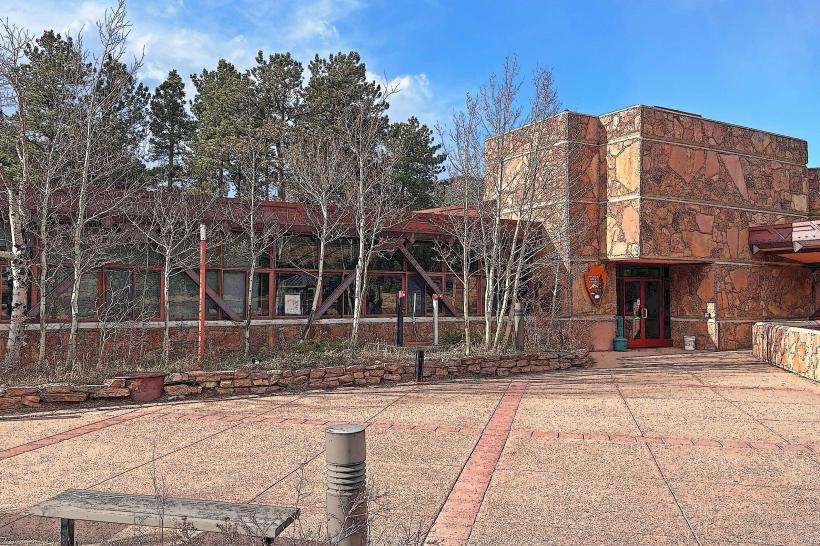
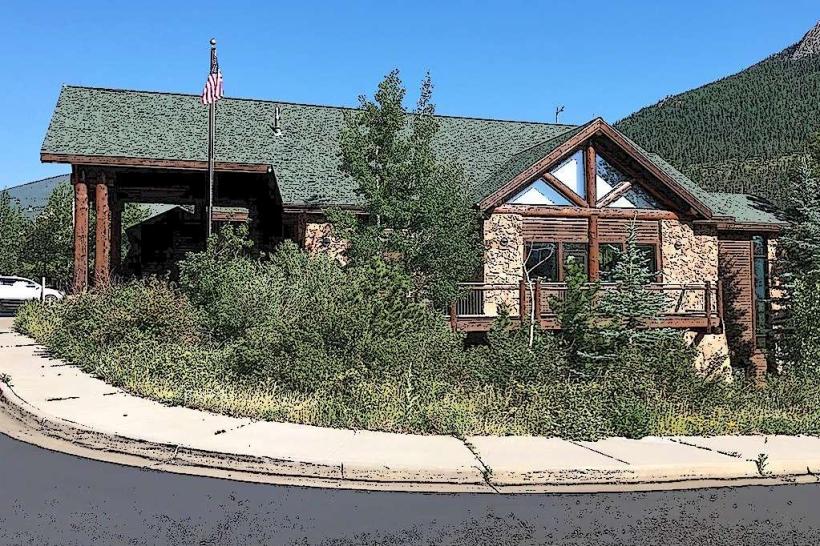
Four visitor centers are located within the park: Beaver Meadows, Fall River, Alpine, and Kawuneeche. Restrooms are available at visitor centers and many popular trailheads. Shade is abundant in forested areas; alpine tundra offers little natural shade. Cell phone signal is intermittent and generally unavailable in remote areas; 4G/5G service is limited to developed areas near entrances and visitor centers. Food vendors and restaurants are located in Estes Park and Grand Lake, outside the park boundaries. Limited concessions may be available at some visitor centers during peak season.
Best Time to Visit
For optimal weather and access to all park roads, including Trail Ridge Road, the months of July and August are recommended. For wildlife viewing, early morning and late evening hours are most productive. Wildflowers bloom from late June through August. High tide is not a relevant factor for this inland mountain park.
Facts & Legends
The park is home to Longs Peak, a fourteener (peak over 14,000 feet) with a challenging summit route known as the Keyhole Route. A local legend speaks of the "Ghost of the Peaks," a spectral figure said to wander the higher elevations, though this is unsubstantiated.
Nearby Landmarks
- Estes Park (0.5km East)
- Roosevelt National Forest (Adjacent, borders park to the East)
- Grand Lake (25km West)
- Indian Peaks Wilderness (30km South)
- Poudre River Canyon (40km North)