Landmark: Roman Amphitheatre
City: Trier
Country: Germany
Continent: Europe
Roman Amphitheatre, Trier, Germany, Europe
Trier Amphitheater is a UNESCO World Heritage site and one of the largest preserved Roman arenas. Built around 100 AD, it was integrated into the city's defensive walls and could accommodate approximately 20,000 spectators.
Visual Characteristics
The structure is defined by an elliptical arena floor carved into a natural hillside, which originally supported the stone seating tiers. It features high perimeter walls and massive arched entrance portals. The most distinct visual element is the preservation of the substructure-a network of underground chambers and tunnels beneath the arena floor.
Location & Access Logistics
Located at Olewiger Straße 25, 54295 Trier.
Public Transit: 15-minute walk from the Basilica of Constantine or via city bus lines (Stop: Amphitheater).
Access: Paid admission required.
Hours: Daily 9:00 AM – 4:00 PM (Winter); hours extend until 6:00 PM in summer.
Admission: Single tickets or "Antique Card" (combined Roman sites) available.
Parking: Small lot at the entrance; larger capacity at nearby city parking structures.
Historical Origin
Constructed to serve as a venue for gladiator contests and animal hunts (venationes). Unlike many Roman amphitheaters built entirely above ground, this site utilized the slope of the Petrisberg hill to minimize masonry requirements. In the 5th century, it served as a refuge during Germanic incursions. During the Middle Ages, it was used as a quarry, with much of its stone repurposed for city buildings.
Key Highlights & Activities
The Arena Floor: Visitors can walk the main elliptical stage where combat occurred.
Underground Cellars: Accessible tunnels and rooms located beneath the floor, used for storing animals, scenery, and the mechanical lifts that raised gladiators into the arena.
The Ramparts: The remaining earth walls provide vantage points over the entire complex and the surrounding vineyards.
Antique Festival: Occasionally hosts "Brot & Spiele" (Bread and Circuses), a historical reenactment festival featuring gladiator displays.
Infrastructure & Amenities
The site is partially accessible. The arena floor is relatively flat, but navigating the ramparts and underground areas involves steep stairs and uneven terrain. Restrooms and a small gift shop are available at the entrance. 5G signal is stable.
Best Time to Visit
Mornings: To avoid tour groups and experience better light for photographing the arena.
Summer: For extended opening hours and the full impact of the Petrisberg greenery.
Facts & Legends
A technical oddity is the drainage system; the Romans engineered complex stone channels to keep the arena floor dry despite the natural runoff from the adjacent hill. Legend states that the site was also used for the execution of early Christian martyrs, though historical records primarily emphasize its role as a state-sanctioned entertainment venue.
Nearby Landmarks
Imperial Baths (Kaiserthermen) – 0.5km West
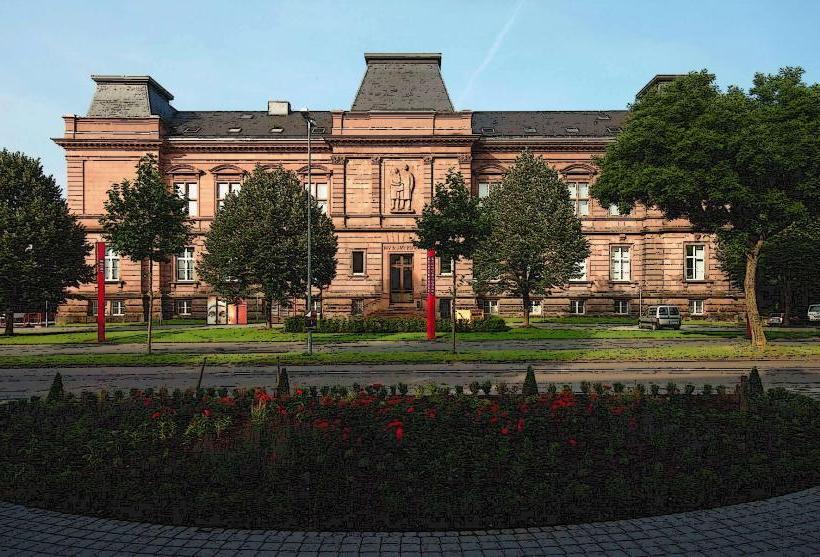
Rheinisches Landesmuseum – 0.7km West
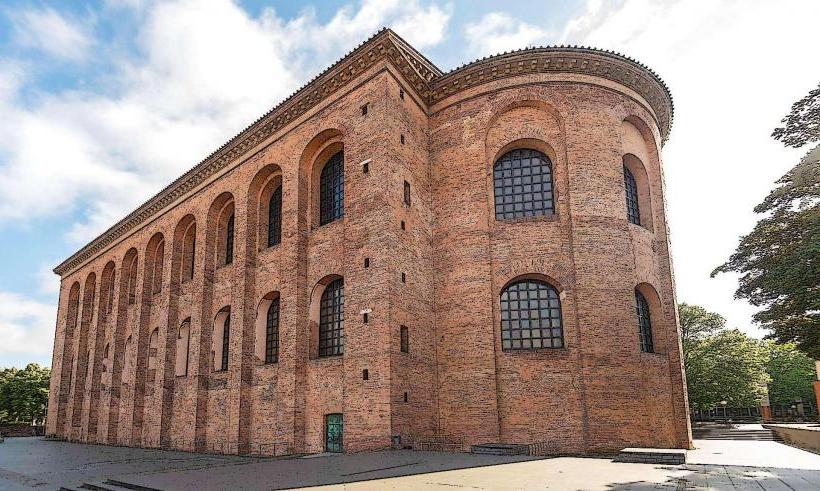
Basilica of Constantine – 0.9km Northwest
Petrisberg Viewpoint – 1.2km East (uphill)