Landmark: Royal Enclosure
City: Hampi
Country: India
Continent: Asia
Royal Enclosure, Hampi, India, Asia
The Royal Enclosure is a collection of ruins situated in the central part of Hampi, Karnataka, India. It served as the administrative and ceremonial heart of the Vijayanagara Empire.
Visual Characteristics
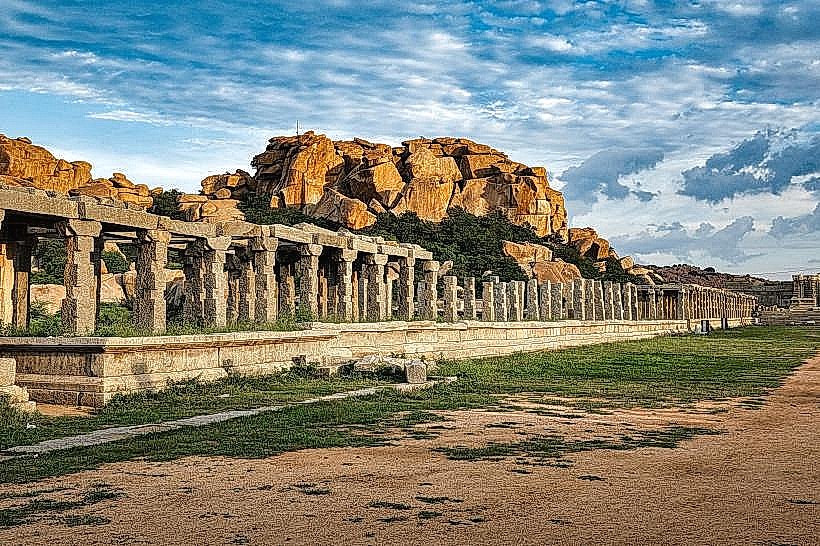
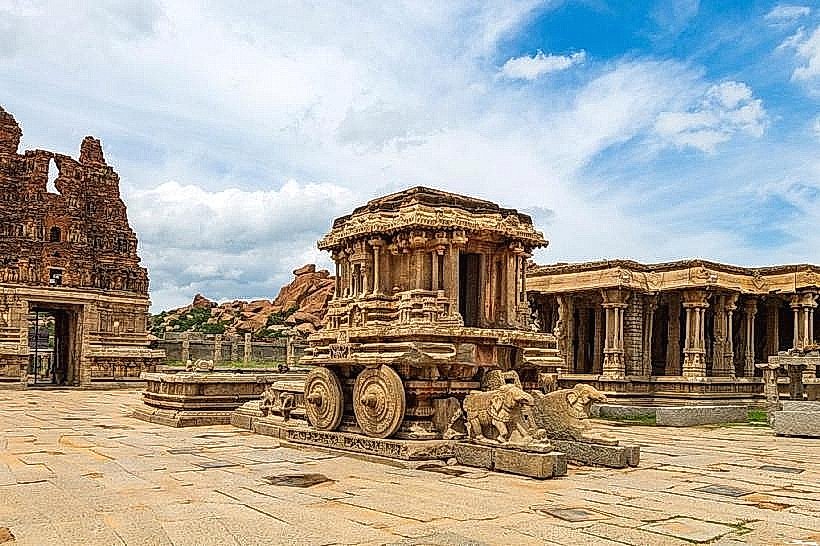
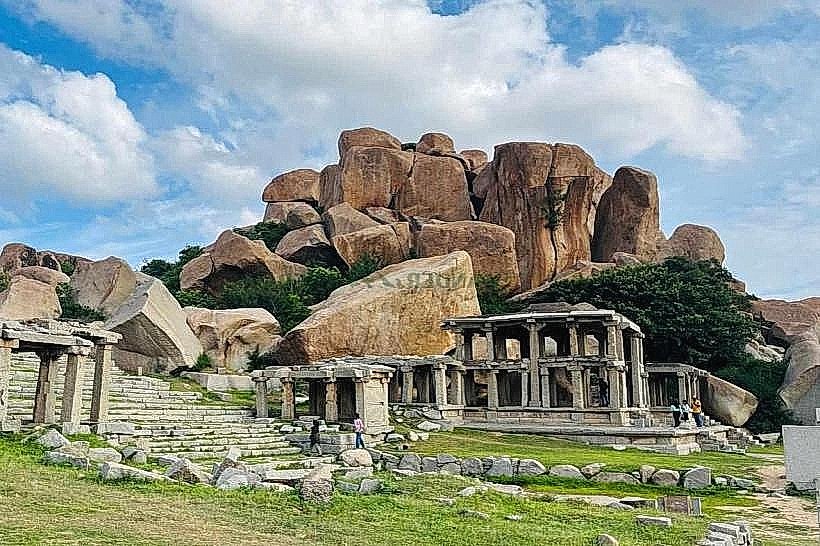
The enclosure is characterized by its extensive stone structures, including foundations, walls, and platforms constructed from granite. Notable features include the Mahanavami Dibba, a multi-tiered platform, and the stepped tank, both built with precisely cut stone blocks. The overall impression is one of weathered, grey stone against the surrounding landscape.
Location & Access Logistics
The Royal Enclosure is located approximately 1.5km west of the Hampi Bazaar. Access is via local roads within Hampi. Parking is available in designated areas near the main Hampi sites. Auto-rickshaws and bicycles are common modes of transport within the area.
Historical & Ecological Origin
Construction of the Royal Enclosure began in the 14th century and continued through the 16th century, during the height of the Vijayanagara Empire. It was the primary seat of power for the empire's rulers. The site is situated on the banks of the Tungabhadra River, within a landscape dominated by granite boulders and dry deciduous vegetation.
Key Highlights & Activities
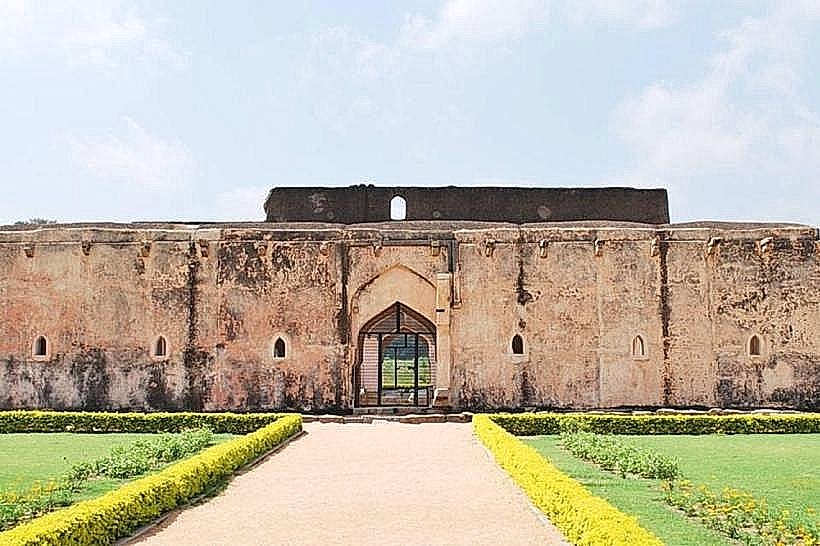
Visitors can explore the foundations of palaces, audience halls, and administrative buildings. Specific points of interest include the Mahanavami Dibba, the Stepped Tank, and the Queen's Bath. Walking through the grounds allows for examination of the architectural remnants and layout of the former royal complex.
Infrastructure & Amenities
Restrooms are available at designated points within the Hampi archaeological complex. Shade is limited, primarily provided by natural rock formations and some trees. Cell phone signal (4G) is generally available. Food vendors and small eateries are located in the nearby Hampi Bazaar.
Best Time to Visit
The best time of day for photography is during the early morning or late afternoon when the sunlight is less direct, casting longer shadows on the stone structures. The optimal months for visiting are from October to March, when temperatures are moderate. No specific tide requirements apply to this inland site.
Facts & Legends
The Mahanavami Dibba, a large pyramidal platform within the enclosure, is believed to have been used for royal ceremonies and performances, including the nine-day Navaratri festival. Its height and intricate carvings suggest its significant ceremonial role.
Nearby Landmarks
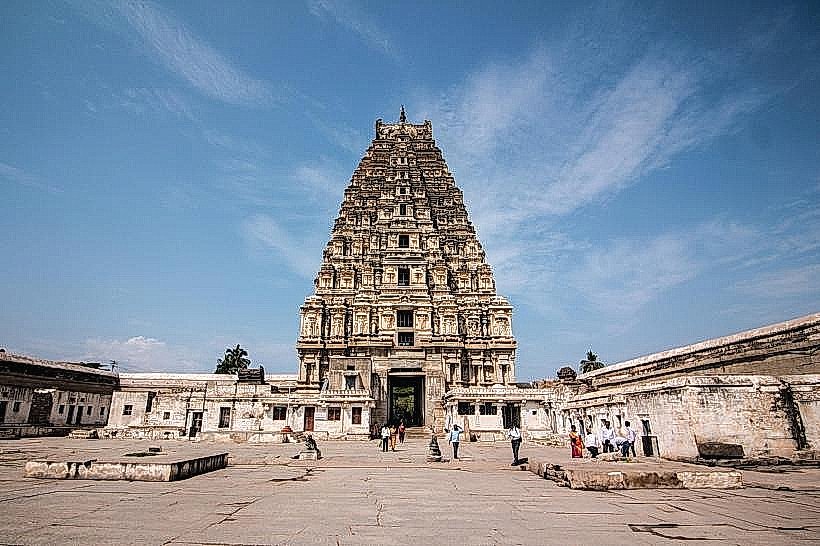
- Virupaksha Temple (0.8km Northeast)
- Hampi Bazaar (1.5km East)
- Vijaya Vittala Temple (2.5km Northeast)
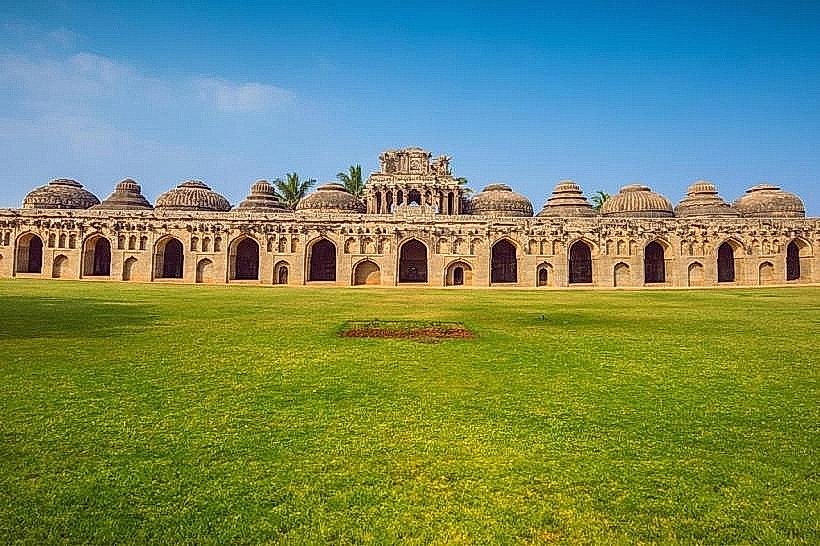
- Elephant Stables (1.8km West)
- Lotus Mahal (1.7km West)