Landmark: Sand Island Petroglyphs
City: Bluff
Country: USA Utah
Continent: North America
Sand Island Petroglyphs, Bluff, USA Utah, North America
The Sand Island Petroglyphs are an archaeological site featuring ancient rock carvings located near Bluff, Utah, USA.
This site preserves a significant collection of rock art created by ancestral Puebloans and Fremont cultures.
Visual Characteristics
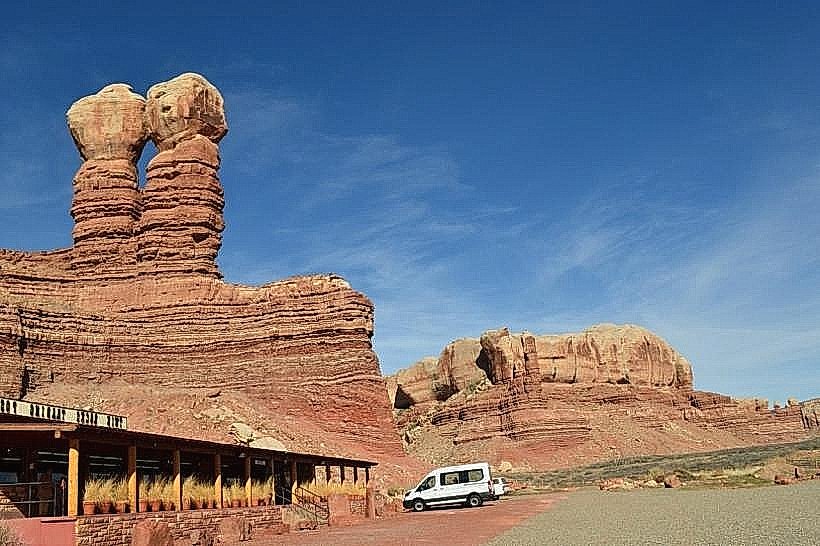
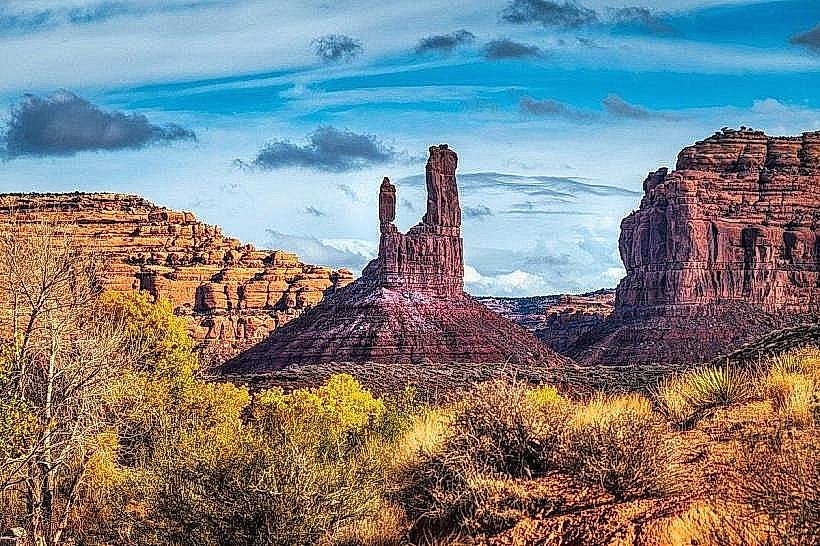
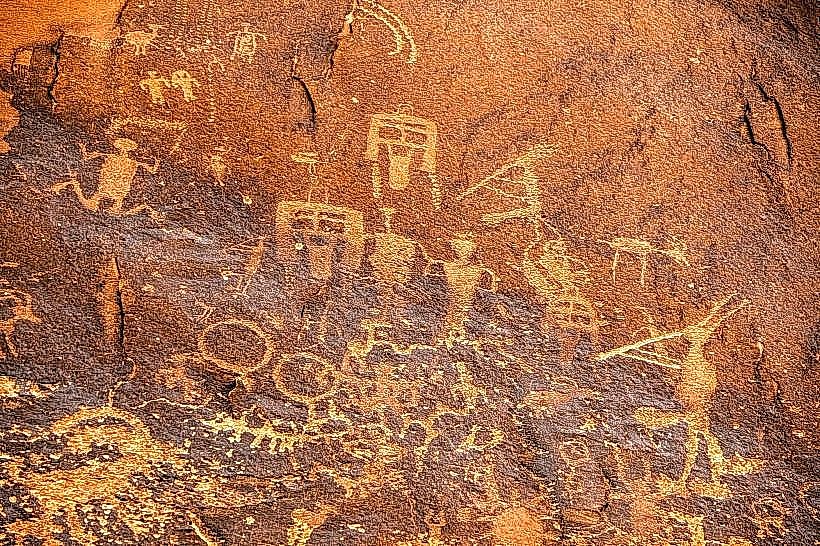
The petroglyphs are etched into the sandstone cliff faces, primarily on the south-facing aspects. The rock is a fine-grained, reddish-brown Navajo Sandstone. The carvings depict human figures, animals (including bighorn sheep and birds), and geometric shapes. The depth and clarity of the etchings vary, with some appearing as shallow scratches and others as deeply incised figures.
Location & Access Logistics
The Sand Island Petroglyphs are situated approximately 10 kilometers west of Bluff, Utah, along the San Juan River. Access is via County Road 263 (also known as the Bluff to Mexican Hat Road). Turn south onto a well-maintained dirt road marked with signage for Sand Island Recreation Area. The road leads directly to a parking area. From the parking lot, a short, flat trail of approximately 0.5 kilometers leads to the main petroglyph panels. No public transport services this location.
Historical & Ecological Origin
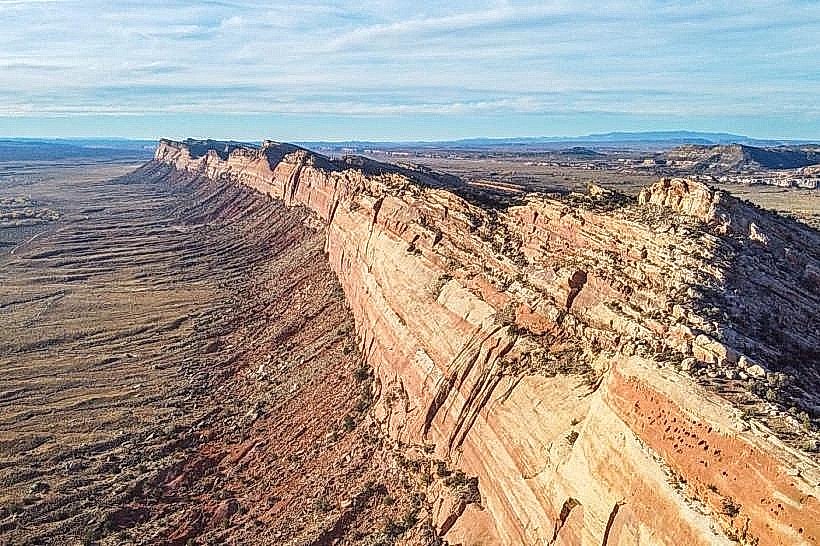
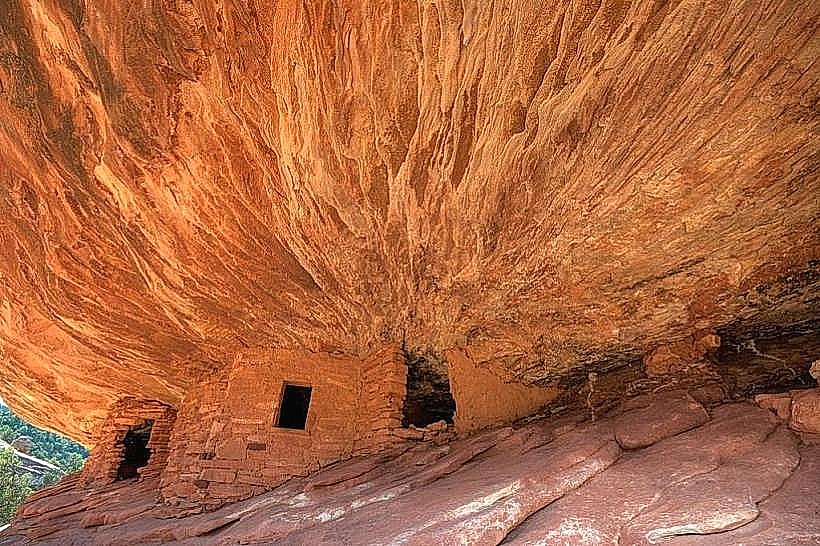
The petroglyphs are estimated to have been created between 1000 BCE and 1300 CE by ancestral Puebloan and Fremont peoples. The exact purpose of the carvings is debated but is thought to include communication, record-keeping, and spiritual or ceremonial significance. The sandstone formations are part of the Colorado Plateau, shaped by millions of years of geological processes including sedimentation and erosion.
Key Highlights & Activities
Observation of petroglyph panels. Walking the interpretive trail. Photography of rock art. Birdwatching along the San Juan River. Picnicking at designated sites.
Infrastructure & Amenities
Restrooms are available at the Sand Island Recreation Area parking lot. Shaded picnic tables are provided. Cell phone signal is intermittent to non-existent. No food vendors are present at the site; visitors should bring their own supplies.
Best Time to Visit
For optimal lighting on the petroglyphs, visit during the mid-morning or late afternoon when the sun angle creates shadows that highlight the carvings. The best months for comfortable outdoor conditions are April through May and September through October. Summer months (June-August) can experience high temperatures.
Facts & Legends
One of the most prominent figures depicted is a large anthropomorphic figure often referred to as the "Sand Island Man." Local folklore suggests that some of the symbols represent ancient astronomical observations or celestial events.
Nearby Landmarks
- Valley of the Gods (3.5km Northwest)
- Goosenecks State Park (12km West)
- Moki Dugway (15km West)
- Bluff Fort Historic Site (10km East)
- Hole-in-the-Rock Trailhead (11km Southeast)