Landmark: Twin Rocks
City: Bluff
Country: USA Utah
Continent: North America
Twin Rocks, Bluff, USA Utah, North America
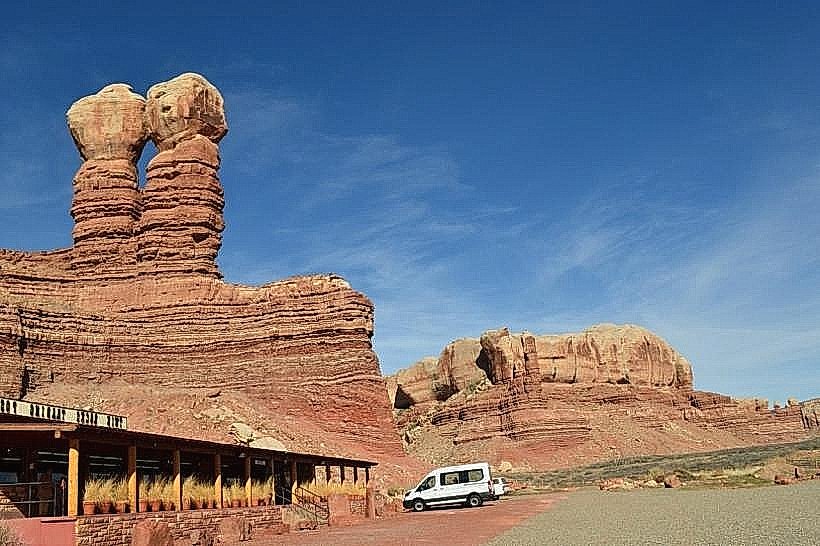
Twin Rocks is a geological formation located in Bluff, Utah, USA.
These two prominent sandstone pillars stand as a distinct feature of the local landscape.
Visual Characteristics
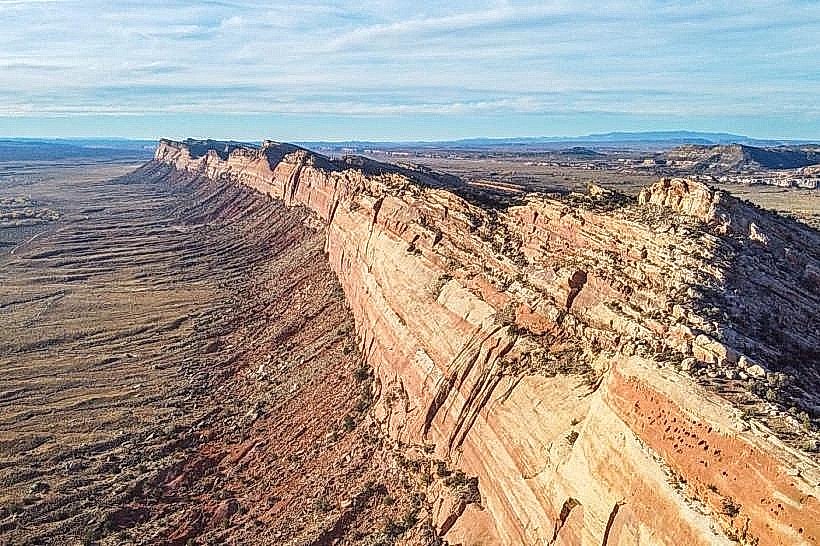
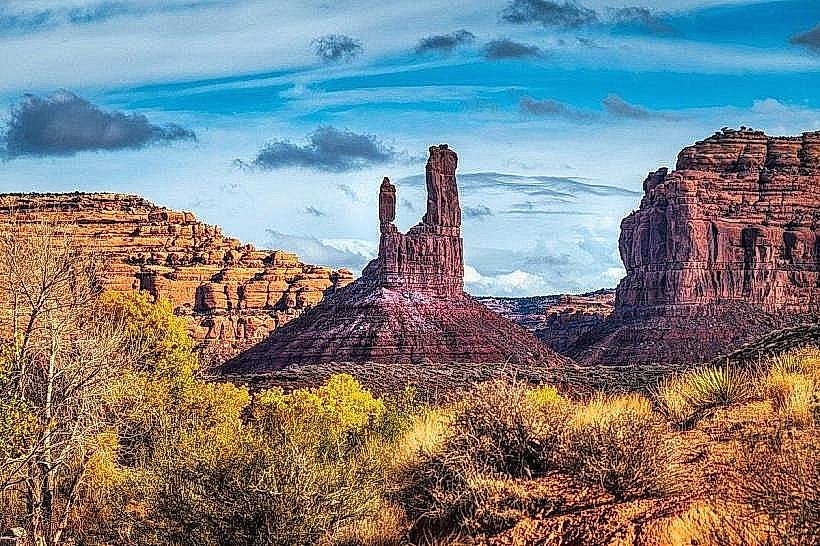
The formation consists of two vertical sandstone pillars, weathered and eroded by natural forces. The rock color ranges from light tan to reddish-brown, depending on the mineral content and lighting conditions. The pillars rise approximately 50-75 feet above the surrounding desert floor. Their surfaces exhibit layered striations characteristic of sedimentary rock.
Location & Access Logistics
Twin Rocks is situated approximately 1 mile west of the town of Bluff, Utah. Access is via State Route 163. Turn north onto a gravel road marked by a small sign. The gravel road is approximately 0.2 miles long and suitable for most passenger vehicles in dry conditions. Parking is available at the base of the formation on a designated dirt pull-off. No public transport services reach this specific location.
Historical & Ecological Origin
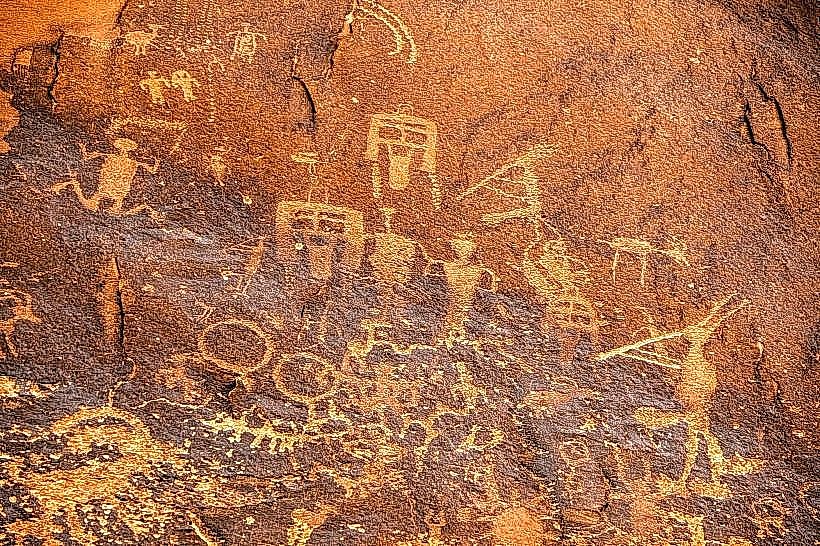
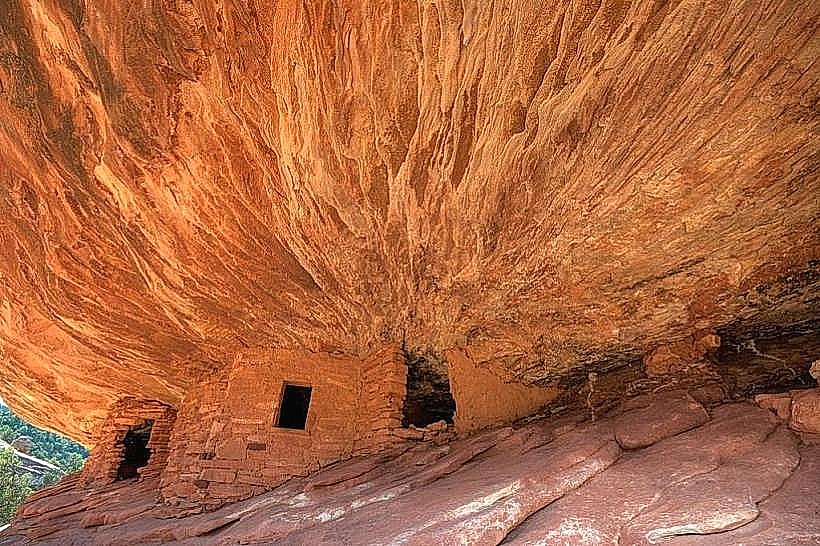
Twin Rocks are composed of Navajo Sandstone, a geological formation dating back to the Jurassic period. These pillars are the result of differential erosion, where harder sandstone layers protected softer surrounding rock from weathering. The area was historically used by indigenous peoples, with evidence of ancient dwellings and petroglyphs found in nearby canyons.
Key Highlights & Activities
Observation of the rock formations. Photography of the geological structures. Short walks around the base of the pillars. Exploration of the immediate desert environment. Visitors can observe the effects of wind and water erosion on the sandstone.
Infrastructure & Amenities
There are no developed infrastructure or amenities at Twin Rocks. Restrooms are not available. Shade is minimal, provided only by the rocks themselves during certain times of day. Cell phone signal (4G/5G) is generally weak to non-existent in this remote area. No food vendors are present.
Best Time to Visit
For photography, early morning or late afternoon provides optimal lighting, casting long shadows that accentuate the rock textures. The best months for visiting are April through October, avoiding the harsher winter conditions. No tide considerations apply.
Facts & Legends
Local Navajo folklore sometimes refers to formations like Twin Rocks as ancient beings or spirits turned to stone. A specific verified fact is that the sandstone here contains fossilized dinosaur footprints from the Jurassic period, though these are not always easily visible.
Nearby Landmarks
- Hole-in-the-Rock Foundation (0.8km East)
- Valley of the Gods (15km Southwest)
- Goosenecks State Park (25km West)
- Moki Dugway (28km West)
- Natural Bridges National Monument (40km Northwest)